Antioxidants Help Glaucoma Patients

Glaucoma’s progress can be slowed as the result of taking the antioxidants vitamin E and N-acetyl cysteine.

A study published in Investigative Ophthalmology and Visual Science describes how reducing or reversing oxidation within the eyes may lead to the healing of the trabecular meshwork or outflow pathway in glaucoma patients.  As the name suggests, antioxidants (like vitamin C and N-acetyl cysteine, which is found in eggs) combat the natural process of oxidization.

According to the study, the free radicals that result from the oxidation process lead to the destruction of the trabecular meshwork, which can lead to increased ocular pressure and glaucoma.  (Issue: 49:1447-58, 2008)

Neuroprotective Agents

Medscape Today’s 2010 article addresses  slowing or halting the development of glaucoma by shielding undamaged nerve cells and restoring or rescuing nerve cells that have already been damaged.  In addition to describing more traditional pharmaceutical options for fighting glaucoma, the review includes a discussion of several antioxidants including melatonin, Coenzyme Q10, vitamin E, and ginkgo biloba.  Antioxidants, a more natural approach than the pharmaceuticals in the study, may be helpful neuroprotective agents.

Neuroprotective: Melatonin

According to an article published in The Journal of Pineal Research, evidence from a number of sources supports the assertion that increased free radical generation and altered nitric oxide (NO) metabolism contribute to glaucoma and uveitis. Data indicates that melatonin is an efficient antioxidant that has the ability to fight free radicals and break down nitric oxide and plays ” a promising role in the treatment of these ocular dysfunctions.”  Melatonin has few side effects even at high doses and can potentially do a great deal to protect ocular tissue.

Source: interscience.wiley.com/

Glaucoma in Black Women & Antioxidants

At the American Glaucoma Society meeting, Dr. JoAnn A. Giaconi reported that women who reported eating greater amounts of fruits and vegetables appeared to have a lower likelihood of developing glaucoma.

The foods that seemed especially protective included fresh oranges, peaches, spinach, collard greens, and kale.

Dr. Giaconi presented results from a review of data from the Study of Osteoporotic Fractures.  In this study involving a subset of 584 black women, glaucoma was diagnosed in at least one eye in 77 participants.  Disc photos and supra-threshold visual fields were evaluated in conjunction with Block Food Frequency Questionnaires on the participants’ daily food consumption.

The results?

  • Eating three or more servings of fruit or fruit juices daily decreased the odds of black women developing glaucoma by 79%
  • Eating one serving of collard greens or kale decreased the odds of glaucoma by 57%
  • Eating more than two servings per week of fresh oranges and peaches also significantly decreased the chance of developing glaucoma.

Researchers believe that the antioxidants in fruits and vegetables (vitamin A, alpha- and beta-carotene, folate, lutein, zeaxanthin) can potentially block oxidation stress that can lead to cell damage in glaucoma.

SOURCE:  Giaconi JA, et al. Nutritional associations with glaucoma among older black women. Paper presented at: The 18th Annual AGS Meeting; March 8, 2008; Washington, DC.

Fruits and Vegetables

Researchers at the Department of Ophthalmology and Jules Stein Eye Institute, University of California-Los Angeles, recently studied the association between consumption of fruits and vegetables and the presence of glaucoma.

1,155 women located in multiple centers in the United States participated in this cross-sectional cohort study. Glaucoma specialists evaluated the women for glaucoma; consumption of fruits and vegetables was assessed using a food frequency questionnaire.

Among the 1,155 women studied, 95 (8.2%) were diagnosed with glaucoma. Analysis of the relationship between selected fruit and vegetable consumption and glaucoma showed:

  • Glaucoma risk was decreased 69 percent in women who consumed at least one serving per month of green collards and kale compared with those who consumed fewer than one serving per month.
  •  Glaucoma risk was decreased 64 percent in women who consumed more than two servings per week of carrots compared with those who consumed fewer than one serving per week.
  • Glaucoma risk was decreased 47 percent in women who consumed at least one serving per week of canned or dried peaches compared with those who consumed fewer than one serving per month.

Although researchers note that more studies are needed to investigate the relationship between nutrition and glaucoma, research to date does indicate that a higher intake of certain fruits and vegetables may be associated with a decreased risk of glaucoma.

SOURCE: “Glaucoma risk and the consumption of fruits and vegetables among older women in the study of osteoporotic fractures”, Coleman, et al, Am J Ophthalmol. 2008 Jun;145(6):1081-9.


Juicing With Organic Produce Enhances Eye Health and Overall Health

fruit and veg
Image via CDC

Increasing numbers of  American consumers are choosing organic foods over conventionally grown and raised foods.


According to the Organic Trade Association, in 2010 organic food sales increased by 7.7% while non-organic food sales only increased by 1%.  Many companies in the organic sector are adding jobs even in this sluggish economy.  Source: Food Navigator.

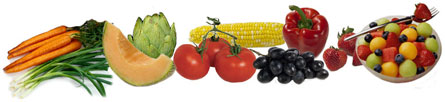
At Natural Eye Care, we are pleased to hear that more Americans are choosing to go organic.  Nutrition is an important part of our prevention protocol, and we recommend that you choose organic fruits, vegetables, and dairy products (and meat too, if you eat it).  Organic fruits and vegetables are especially important if you make juicing a regular part of your routine.  We consider daily juicing of primarily organic vegetables and fruits to be an essential part of any long term healing program.  Juicing is a highly effective and efficient way for the body to absorb essential nutrients into the blood and cells.

Learn more about juicing and get recipes specific to your eye condition.

Fight Macular Degeneration By Eating Fish, Eggs, Walnuts, Omega-3

Add: Eggs | Walnuts  | Omega-3 | Fatty Fish | Other Nutrients
Limit: Refined Carbohydrates | Red Meat

Introduction

The pigments in the macula of the eye are predominantly composed of three carotenoids: lutein, zeaxanthin, and meso-zeaxanthin.

Researchers report that these pigments, called  xanthophylls, act as both filters and antioxidants and how they protect the eye from the onset of macular degeneration. Evidence suggests that increased levels of macular pigment are related to a decreased risk of age-related macular degeneration. Previous studies reveal that oral supplementation with lutein and zeaxanthin can increase the levels of macular pigments in the retina and plasma.

Eggs

Macular xanthophylls, described above, are made of the same compounds that cause egg yolks to be yellow too.  Eating eggs (preferably organic from free-range chickens) can actually help decrease your chances of developing the potentially blinding macular degeneration.

An egg a day can protect people over age 60 from developing macular degeneration.  A study published in the Journal of Nutrition the levels of powerful antioxidants lutein and zeaxanthin in participants’ blood increased between 26 and 38% if they ate one egg per day.

The single egg did not contribute to participants’ cholesterol levels.

Walnuts

A new study examined how walnuts can increase the plasma antioxidant capacity of healthy adults.  Study authors did not find any measurable increases, but they believe that further study is warranted.

They did find that levels of important compounds, the fatty acid linoleic acid and pyridoxal phosphate (vitamin B6), did increase over the course of the 19 week study, and these nutrients have been helpful in preventing eye disease.

Source: Nutrition Journal

Omega-3 Fatty Acids

A meta analysis study about the relationship between omega-3 fatty acids, consumption of fish  and their effect on the age-related macular degeneration risk identified 274 abstracts, and 9 other studies.

Researchers quantitatively determined that  high consumption of  omega-3 fatty acids in the diet was connected with  38% lower  risk of advanced macular degeneration. Consumption of fish at least 2 times a week was tied to lower risk of both early and late AMD.

Source: Archives of Ophthalmology. 2008;126(6):826-833.

A later study of over 38,000 women over a 10 year period (from dietary questionnaires) supports this finding: that consumption of omega-3 fatty acids decreases the likelihood of developing macular degeneration: that the regular intake of omega-3 fatty acids DHA and EPA, which are most commonly found in fish, can help reduce macular degeneration risk by up to 45%.

Published: Archives of Ophthalmology, 2009

Fatty Fish

Still another study has determined that eating fatty fish more than once a month is connected to 60 percent lower risk of developing AMD.

A key finding in this study was the positive effect of fatty fish consumption (white fish intake was not significantly associated with AMD). Fatty fish included in this study were both fatty “blue” fish (fresh tuna, canned tuna without oil, mackerel, sardine, salmon) and fatty fish canned in oil (tuna, sardine, anchovy).

This population-based study from southern France reviewed nutritional data from a dietician-administered food-frequency questionnaire to assess the associations of dietary fat with the risk of AMD. AMD was classified from retinal photographs using the international classification and included neovascular age-related macular degeneration, geographic atrophy, soft indistinct drusen, and soft distinct drusen associated with pigmentary abnormalities.

Results of dietary fat analysis showed that high total, saturated, and monounsaturated fat intake were linked to increased risk for AMD, while total polyunsaturated fatty acid was not significantly associated with AMD. Review of fish intake showed that total and white fish intake was not significantly associated with AMD, but intake of fatty fish more than once a month was associated with a 60% reduction in AMD.

Source: Dietary fat and the risk of age-related maculopathy: the POLANUT Study.

Eur J Clin Nutr. 2007 Feb 14; Inserm, Research Unit U593 for Epidemiology, Public Health and Development, Bordeaux, France, Universite Victor Segalen Bordeaux 2, Bordeaux, France.

Fish in US Government Diet Guidelines

The  US government’s Dietary Guidelines have put a lot more fish on the recommended table.

They recommend that we eat 8 ounces a week (2 4-ounce servings).  Women who are pregnant or breast-feeding should have 12 ounces.

The real benefit of increasing our fish and shellfish intake is in the omega-3 fatty acids that are abundant in seafood.  As research has shown, omega-3’s are key to helping us fight the potentially blinding disease macular degeneration.

Mercury in larger fish is a concern, especially for women in their child-bearing years.  It is recommended that women who are pregnant or may become pregnant steer clear of tilefish, shark, swordfish and king mackerel (also known as golden bass).  Different sources vary on the safety of tuna; some sources say it is safe to eat a maximum of 6 ounces of canned tuna per week.

Carotenoids

Even more important are the carotenoids lutein and zeaxanthin, which are primarily obtained from dark green leafy vegetables. Research shows that risk of AMD was significantly lower in those who increased the carotenoids in their diet – up to 43%. So, eat your spinach and your kale and your collards and consider supplementing your diet further to really protect yourself from macular degeneration.

Taurine

Research shows that the amino acid taurine has the ability to prevent, treat and stabilize retinal changes in some cases. Eggs and fish are good sources of taurine, but you can also take it in supplement form.

An important note: taurine should be taken on an empty stomach.

Antioxidants and Omega-3

Antioxidant and omega-3 supplements continue to be a simple, low-cost, effective therapy for AMD.

A study designed to measure changes in visual function in subjects with atrophic (dry) age-related macular degeneration (AMD) found that three-quarters of the subjects receiving a nutritional supplement demonstrated stabilization or improvement of visual acuity at 6 months.

Many research studies have indication that nutrition can play an important role in slowing the onset or limiting the AMD effects.  The Taurine, Omega-3 Fatty Acids, Zinc, Antioxidant, Lutein (TOZAL) study tried to identify the possible benefits of a supplement formulated to limit AMD risk.

Researchers in this clinical study evaluated the vision of 37 patients average age 76 years,  and gave them a nutritional supplement specifically designed to combat AMD.   The product included natural beta-carotene, vitamins A and E, zinc, and copper.   Results were compared to subjects in other tests who had received placebos. 76.7% of subjects receiving the nutritional supplement demonstrated stabilization or improvement of visual acuity at 6 months.  This was a very small study not using its own controls, but some correlation is still suggested.

SOURCE:  TOZAL Study: An open case control study of an oral antioxidant and omega-3 supplement for dry AMD, Cangemi, BMC Ophthalmology 2007, 7:3doi:10.1186/1471-2415-7-3.

Other Nutrients

Not only lutein, zeaxanthin, taurine and omega-3 fatty acids, but lycopene, vitamins A and E, zinc, copper, betacarotene, selenium, as well as gingko biloba for circulation, bilberry and glutathione may be helpful for macular degeneration.


Limiting Refined Carbohydrates

Limiting refined carbohydrates in one’s diet may slow the progression of age-related macular degeneration, according to a recent study a research center supported by the U.S. Department of Agriculture.

The study supports findings that suggest men and women over the age of 55 who consume diets of higher-than-average Dietary Glycemic Index foods have an increased risk of AMD.

The Dietary Glycemic Index indicates the speed at which carbohydrates are metabolized into glucose. Foods that are high on the glycemic index are associated with a faster rise (and subsequent fall) in blood sugar levels than those that are low on the glycemic index.

In the study, investigators analyzed dietary questionnaires of 4,757 non-diabetic men and women participating in the Age-Related Eye Disease Study (AREDS) – a nationwide eight-year study of men and women from 55 to 80 years of age, experiencing varying stages of macular degeneration.

The study examined participants’ carbohydrate intake over a one year period to calculate the average dietary glycemic index level of foods eaten by the participants.

The researchers concluded that the those who have the largest amount of refined carbohydrates in their diet were 17% more likely to develop macular degeneration than the group that consumed the least amount of refined carbohydrates.

Refined carbohydrates refer to foods with their high-fiber components – the bran and the germ – removed. Examples include:  white rice, bread and pasta, sugary cereals.

Unrefined carbohydrates contain the whole grain, including the bran and the germ, and are therefore higher in fiber such as whole-grain rice, breads, wheat, oatmeal, and pasta.

The conclusion is that it is wise to limit refined carbohydrates in your diet, especially if you are elderly and/or have other risk factors for development of macular degeneration.  Doing so could reduce the  lower the  incidence of advanced macular degeneration cases by 8% over a five year period.

Source: Chiu CJ, Milton RC, Klein R, et al. Dietary carbohydrate and the progression of age-related macular degeneration: A prospective study from the Age-Related Eye Disease Study. American Journal of Clinical Nutrition. 2007;86(4):1210-8.

Researchers:  Jean Mayer Human Nutrition Research Center On Aging of Tufts University

Study 2

Scientists at the Laboratory for Nutrition and Vision Research have substantiated  that the regular consumption of specific “protective nutrients” in conjunction with  a low-glycemic-index, or “slow carb,” diet protected study participants from age-related macular degeneration.

Source: https://www.ars.usda.gov/is/pr/2010/100701.htm

Study 3

Scientists have long known that our diets influence our risk of age-related macular degeneration (AMD).  High glycemic-index diets have now been identified as a risk factor for AMD by researchers from the University of Sydney and the University of Melbourne in Australia, and the National University of Singapore.

The glycemic index (GI) is a measure of the effects of carbohydrates on blood glucose levels.  Carbohydrates that break down rapidly during digestion releasing glucose rapidly into the bloodstream have a high GI; carbohydrates that break down slowly, releasing glucose gradually into the bloodstream, have a low GI.

Scientists examined the association between the dietary glycemic index and the incidence of AMD in the Blue Mountain Eye Study population.

During 1992–1994, 3654 people aged 49 years or older attended baseline examinations.  Of these, 2335 patients were reexamined after 5 years and 1952 were examined again after 10 years.  At each examination, lens photography was performed and food-frequency questionnaires were administered.  An Australian database was used to calculate the mean glycemic index.

Over 10 years, 208 of 1810 participants developed early AMD. After adjusting for age, smoking, and other risk factors, a higher mean dietary glycemic index was associated with an increased risk of early AMD.

Conversely, a greater consumption of predominantly lower glycemic index foods was associated with a reduced risk of incident early AMD. No relation was observed with late AMD.

Researchers concluded that a high-glycemic-index diet is a risk factor for early AMD, but they also noted that low glycemic-index foods such as oatmeal may protect against early AMD.

Learn more about the glycemic index and use a free GI database to find the GI index of your favorite carbohydrates at this University of Sydney Glycemic Index web site

SOURCE:  Kaushik, et al, Dietary glycemic index and the risk of age-related macular degeneration,  American Journal of Clinical Nutrition, Vol. 88, No. 4, 1104-1110, October 2008.

Limit Red Meat

A new study indicates that a red-meat heavy  diet may increase the risk of developing age-related macular degeneration.

In a study of more than 6,700 people aged 58 to 69, researchers assessed relationships between consumption of red meat and chicken and AMD by looking at food frequency questionnaires. The researchers took digital photographs of the patients’ maculas and evaluated them for the presence of macular degeneration.  In the study group, nearly 1700 patients had  early AMD, and 77 had advanced AMD.

It was discovered that participants who ate 10 or more portions of red meat each week were nearly 50 percent more likely to experience deterioration of the retina.  Participants who consumed chicken at least three times a week reduced the risk by more than 50 percent.

Source:  “Red Meat and Chicken Consumption and Its Association With Age-related Macular Degeneration”, Chong, et al, American Journal of Epidemiology 2009 169(7):867-876.

Researchers: University of Melbourne in Australia

Add: Eggs | Walnuts  | Omega-3 | Fatty Fish | Other Nutrients
Limit: Refined Carbohydrates | Red Meat


Diabetic Retinopathy Patients May Benefit From Nutritional Supplements

Diabetic retinopathy is a potentially blinding condition that affects almost 5% of diabetics. Peer reviewed scientific research has found that the following nutritional supplements may help people who are concerned about diabetic retinopathy and diabetes in general.

Chromium: 73% of type I and II diabetics who took chromium supplements reduced their requirement for insulin or oral hypoglycemic agents. Taking chromium and niacin together reduced fasting blood sugar levels and improved glucose tolerance.

Bilberry: 79% of 37 patients with visible diabetic retinal abnormalities improved after taking 160 mg of bilberry extract twice daily, compared to 0% of the placebo control group, and 86% of those with abnormalities of angiography findings showed moderate to considerable improvement.

Ginkgo Biloba: According to the following double blind study, gingko biloba can help improve diabetic retinopathy by improving the flow of blood to the brain and extremities.

Pine Bark Extract: A 2010 study suggests that pine bark extract (containing procyanidins) may be helpful to diabetics who have early diabetic retinopathy through improved retinal blood flow and lowering swelling edema.

About 40-50% of Americans who have been diagnosed with diabetes already have some stage of diabetic retinopathy, according to NIH.

Reference: Steigerwalt R, et al. Pycnogenol® improves microcirculation, retinal edema, and visual acuity in early diabetic retinopathy. J Ocular Pharmacol Therap 25:537-40, 2009.

For more studies of natural compounds that can help those dealing with diabetic retinopathy, visit our research pages.

Vegetarians Less Likely to Develop Metabolic Syndrome

Metabolic SyndromeMetabolic syndrome, a precursor to incidences of stroke, diabetes, and heart disease is more prevalent in people who eat meat.

A new study in the journal Diabetes Care describes how vegetarians are 36% less likely to develop metabolic syndrome than meat consumers.  Researchers conclude that a plant based diet can help to ward off the diseases associated with metabolic syndrome.  These findings offer further proof that a healthy diet can reduce one’s chances of developing cardiovascular disease.  Source: Foodconsumer.org

Eating well can also  reduce your risk of developing eye diseases like cataracts and diabetic retinopathy.  At Natural Eye Care we have developed The Vision Diet to help you eat your way to healthier eye sight.


Study: How Does Glaucoma Influence Patients’ Lives?


In addition to significantly compromising vision, glaucoma is a disease that also takes an emotional toll, according to a new study in the April issue of the Journal of Advanced Nursing.


This study of 24 Chinese individuals with glaucoma showed that there are many fears associated with the disease including concerns about blindness and how the condition may effect other family members.  Many who were on medication, such as eye drops, were found to be self-administering them incorrectly.

Despite the relatively common nature of glaucoma in China, study participants knew little about the disease before they were diagnosed, leading researchers to conclude that there needs to be more public education about glaucoma as well as increased  support available to those who have received a glaucoma diagnosis.

According to the source for this story, Science Daily, “Some used traditional Chinese herbs like Wolfberry and Ginseng and the martial art of Tai Chi to help manage their condition. Others avoided spicy food to keep their condition stable. [According to one participant,]”Some food will get you into trouble like seafood and leek. They contain too much Yang, which can do harm to the eyes.”

At Natural Eye Care we believe strongly in both the power of traditional Chinese medicine and the power of food to help heal eye conditions.  Learn more about our prevention protocol, which includes a proper diet and the practice of a calming activity like Tai Chi.

Improve Eyes’ Light Sensitivity with Lutein and Zeaxanthin

Do you find that your eyes are sensitive to bright lights?

A study published in the journal Optometry & Vision Science describes how the carotenoids lutein and zeaxanthin were found to positively effect many visual performance issues (including contrast sensitivity) when one is exposed to glaring light conditions.  Carotenoids are organic pigments that are naturally occurring in plants and some other photosynthetic organisms like algae, some types of fungus and some bacteria.  They are potent antioxidants and play a protective role in preventing many eye conditions.

This study indicated that these compounds, found most commonly in leafy greens, help people deal with bright sunlight outdoors, light from computer monitors, bright car headlights, etc.

For more research studies on light sensitivity, visit our website.

Learn about how you can eat food rich in eye health boosting nutrients.

DHA For Infant Eye Health

Do omega-3’s help infant eye development?  The European Parliament is going to vote on whether manufacturers are allowed to claim that DHA helps babies’ eyes.

The issue of how and what to feed babies is always controversial, especially when one wades into the breast milk versus formula debate.  In this case, the question is whether infant formula should be supplemented with DHA.

The March of Dimes does recommend that pregnant women get enough DHA to enable health brain and eye development.  They say, “After the baby is born, DHA consumed through breastfeeding may also help the baby’s eyes and vision… Breast milk is the preferred way for infants to consume adequate amounts of DHA and ARA. If the mother decides not to breast feed, then the infant should be fed only supplemented formulas which contain DHA and ARA. Adequate DHA levels may lead to improved developmental outcomes, including improved mental, visual and motor skill development.”  Source: March of Dimes

Toxicity Found in Freshwater Fish

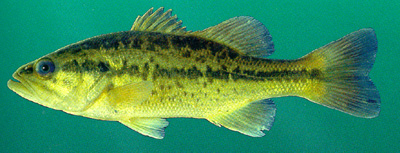
Freshwater fish toxinsWe often recommend cold water ocean fish for the essential fatty acids they provide, which are vital to protecting us from glaucoma and macular degeneration.

New information presented at an American Chemical Society (ACS) meeting may  raise concerns about consuming freshwater fish, however.

Freshwater fish are showing high levels of an agent called triclocarban (TCC) that has potential hormone-disrupting properties.  Researchers believe the source of this river and stream contamination that is showing up in fish is an ingredient found in some antibacterial soaps.  Scientists do point out that there is no evidence that TCC accumulates in the human body.

Previous studies have found that TCC and another antibacterial soap additive, triclosan “don’t prevent the spread of disease any better than ordinary soap, yet both may cause disruption of reproductive hormones,” according to the ACS press release.  Source: healthfinder.gov


Vitamin C Is a Potential Cancer Fighter

intravenous drip bag
Image via NASA

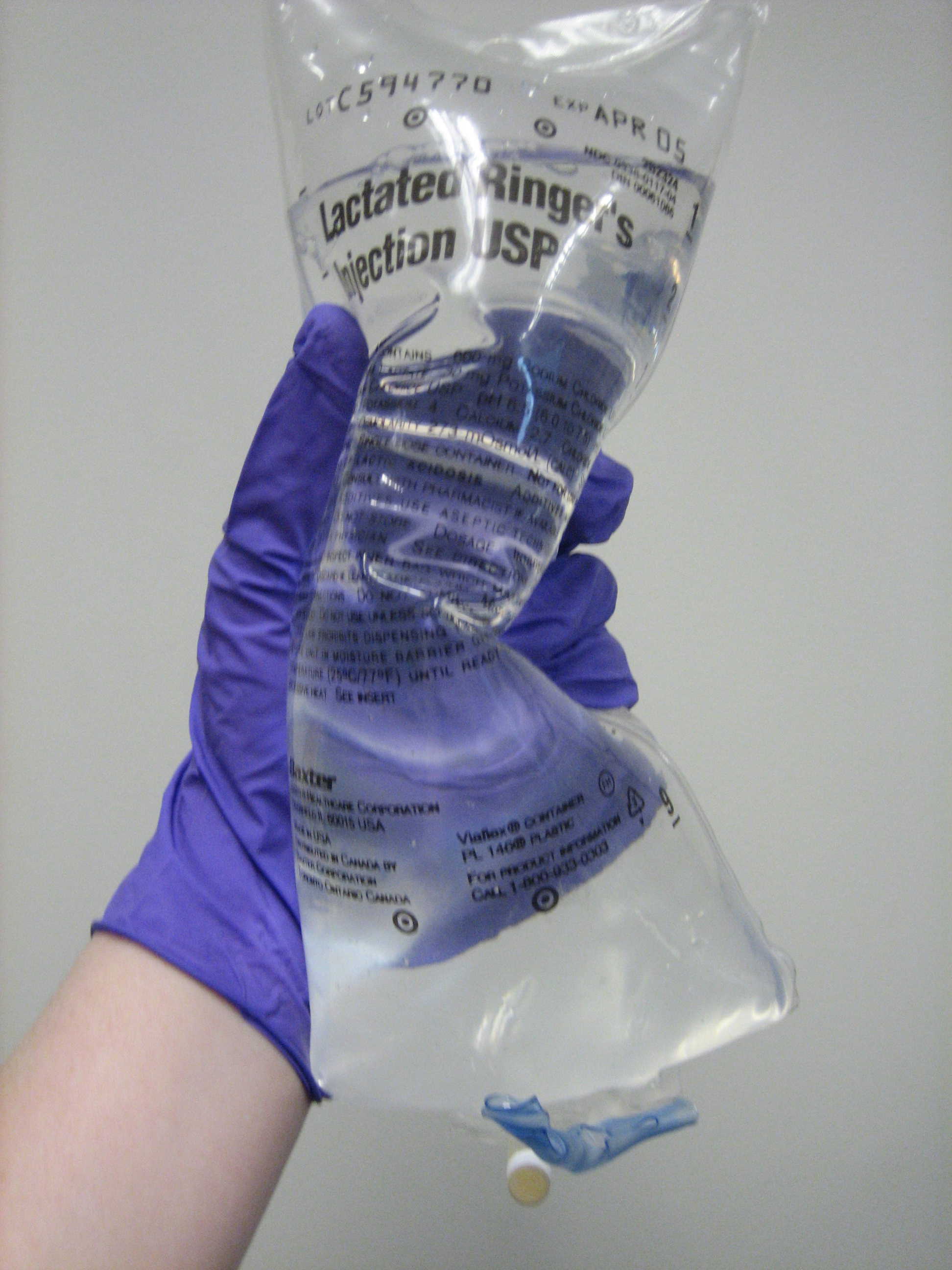
Vitamin C, given to patients intravenously, could be an effective way to fight cancer.

A study, published in the Journal of Translational Medicine, is based on the assertion that doses of vitamin C could help cancer patients who suffer from wasting (cachexia), immune system deficiencies, and compromised quality of life.  This particular article pulled together the findings from 246 previous studies.

The study sought to include perspectives from the alternative health community that has asserted the benefits of vitamin C as a cancer fighter as well the allopathic medical community that has, in part, agreed that vitamin C could be helpful to cancer patients.

In the past, studies have differed on vitamin C’s effectiveness, but it seems the determining factor in vitamin C’s cancer fighting abilities is in taking it intravenously rather than in pill form.  Source: Medical News Today