Macular Degeneration Twins Study Results

Image via nlm.gov

A diet that includes vitamin D, betaine and methionine can help to lower your risk of developing macular degeneration (AMD).  A study of identical twins conducted by the Tuft Medical Center also supports the assertion that smoking increases one’s chance of getting AMD.

AMD tends to run in families, and this opportunity to look at twins who exhibit different stages of the disease allowed researchers to zero in on how diet and lifestyle habits affected the condition’s progression.

According to the source of this story, Science Daily, Vitamin D, which is added to many milk products, may reduce the risk of AMD because it has anti-inflammatory properties.  Betaine (contained in fish, grains, and spinach) and methionine (found in poultry, fish, and dairy products) both seem to work at the DNA level to slow the progression of the disease.

This study was published in the July 1 issue of Ophthalmology.
Lupin Flour Cuts Heart Disease and Diabetes Risk

Lupins lining the roadsides are common sights for anyone who has visited Atlantic Canada or Maine during the summertime, but have you ever heard of eating lupine seeds?  Even better, have you ever heard about how good lupin flour can be for the heart?


A study out of the University of Western Australia describes how it is possible to lower your risk of heart disease “significantly” by replacing conventional wholemeal flour with a blend that contains 40% lupin beans.  A yearlong study of over 100 overweight men and women showed that increasing one’s intake of “lupin flour lowered blood pressure and reduced the risk of heart disease.”

Cooking with lupin flour – it is easily incorporated into the baking of bread, pasta, and cookies – is an Australian phenomenon (80% of the world’s commercial lupin crop is grown in Western Australia).  A quick Google search did not yield any information about US sources, though there is some concern that the consumption of lupin flour has been linked to anaphylaxis (particularly in those with a peanut allergy).

According to this post’s source, ScienceAlert,  “The study suggested that lupin flour might also be good for those suffering from Type 2 or adult onset diabetes, because even in non-diabetic individuals sensitivity to insulin improved during the trial.”

Omega-3s May Alleviate Alcoholism, Psychiatric Disorders, and Eye Diseases

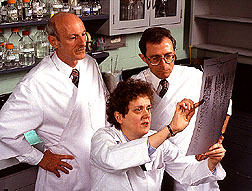
researchers
Image via USDA

Omega-3 fatty acids are known to help the heart and they have also been found to help defend against eye diseases like macular degeneration.


A study by researchers at the Indiana University School of Medicine shows that omega-3 fatty acids could also help people struggling with alcohol addiction or psychiatric disorders.  According to scientists, the DHA in the fatty acid was responsible for “normalizing behavior” in mice.  When taking DHA, mice were less likely to become depressed or manic when placed under stress.  Unexpectedly, the mice also lost their taste for alcohol when consuming DHA supplements.

We believe a diet rich in omega 3 fatty acids may help the treatment and prevention of bipolar disorder, and may help with alcoholism as well,” says Alexander B. Niculescu, M.D., Ph.D.  Source: Science Daily, May 27, 2001


Cataracts Linked to Nutrition Deficiencies Per US Government Scientists

Cataracts - Nutritional Deficiencies
Image via USDA

US government scientists realize the important role that nutrition plays in the health of the eyes.

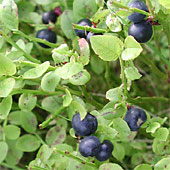
Cataracts are caused by an accumulation of free radicals that cloud the lens of the eye through a process called oxidation.  Antioxidants, these researchers agree, “are compounds in foods that help maintain healthy cells and tissues in the eye and other organs.”  Prime sources of antioxidants include: leafy greens, eggs, blueberries, and bilberries.

In a study of almost 500 middle aged and older women, it was discovered that those who consumed more riboflavin, folate, beta carotene, lutein, zeaxanthin, and vitamins C and E were less likely to suffer from cataract symptoms than did those who consumes the least amounts of these nutrients.

Another interesting fact that may affect your daily supplement regimen?  Women who took vitamin C supplements regularly over the previous decade were 64% less likely to have

Moreover, those who used vitamin C supplements for 10 or more years were 64 percent less likely to have opacity within the eyes than counterparts who did not take vitamin C.

Source: USDA Agricultural Research Service

Learn more about how to prevent cataracts with our self-help recommendations at our website.

Too Much Meat, Too Little Fiber Lead to Colorectal Cancer

A new study confirms earlier findings that indicate that consuming red and processed meats increases one’s risk of developing colorectal cancer.  The study also strengthens previous assertions that fiber rich foods help protect people from colorectal cancer.

This evidence underlines the preventable nature of colorectal cancer, since it is so attributable to diet.  According to Elisa Bandera, MD, PhD, who served on the World Cancer Research Fund/American Institute for Cancer Research’s Continuous Update Project (CUP) Expert Panel that authored the report “About 45 percent of colorectal cancer cases could be prevented if we all ate more fiber-rich plant foods and less meat, drank less alcohol, moved more and stayed lean.”

The American Institute for Cancer Research (AICR) suggests that people eat no more than 18 ounces of red meat per week (that includes beef, lamb, and pork) and that all processed meats should be avoided.

A plant-based diet rich in fiber-containing foods like whole grains, fruits, vegetables and beans is more important than ever.  Source: Medical News Today, 23 May 2011

These findings on the prevention of colorectal cancer are very much in line with those that we recommend in The Vision Diet. Learn about how to keep your entire body healthy with these recommendations.

Antioxidants & L-Arginine Help Pregnant Mothers with Pre-Eclampsia


Pregnant woman
image via www.nationalchildrensstudy.gov

Antioxidants have been found to successfully treat yet another medical condition: pre-eclampsia, a condition experienced by 5% of pregnant women that is marked by abnormally high blood pressure.


According to a study published in the British Medical Journal, taking a dietary supplement containing an amino acid and antioxidant vitamins significantly reduced pregnant women’s chances of developing pre-eclampsia.

A trial involving 228 women at high risk of pre-eclampsia were given either a food bar containing the amino acid L-arginine and antioxidant vitamins or a bar containing only vitamins or a placebo food bar.  Results showed that only 12.7% of women taking the amino acid-antioxidant supplements developed pre-eclampsia.  This was compared to 22.5% who received antioxidants and 30.2% who received the placebo.

Researchers are now wondering how L-arginine and antioxidants work together and whether there are any contraindications to this natural therapy.

Source: Science Daily

Bilberry & Pine Bark Supplement Mitrogenol Lowers IOP

Glaucoma
Image via nccam.nih.gov

A nutritional supplement comprised of a patented blend of bilberry and pine bark is marketed as Mitrogenol.  A study published in Clinical Opthamology describes a study of 79 people with raised eye pressure levels.  The intraocular pressure (IOP) of participants who took Mitrogenol decreased by 24%.  Those who took the pharmaceutical eye drop Latanoprost experienced a 28% drop in IOP.  A third group that took a combination of both remedies watched their levels go down by 40%

Researchers found that taking these products together helped lower IOP and resulted in better retinal blood flow.  It is noted that Latanoprost has been noted to cause dry eyes, eye color changes, and eyelid irritation.

Elevated IOP is often related to the onset of glaucoma.

Source: https://www.naturaleyecare.com/study.asp?num=294

An earlier pilot study also found that supplementing with bilberry and pine bark can helps lower intraocular pressure (IOP).

In this small study 20 patients who have high IOP received  bilberry and French maritime pine bark  and 18 patients were the control group.

Vision sharpness, IOP and blood flow in the eye were measured 2, 3 & 6 months later.  The researchers reported that the mean IOP was reduced and ocular blood flow improved after 2 months.  These results may constitute a safe complementary treatment for glaucoma or have preventative value.

Bilberry Purity

The compounds found in bilberries, blueberries, and huckleberries are key to preventing and treating not only Glaucoma but poor night visionmyopia macular degeneration diabetic retinopathy cataracts , and computer eye syndrome.

National Institute of Standards and Technology (NIST) is now certifying the amount organic acids available in dietary supplements formulated with Vaccinium berries, including blueberries and bilberries.   These new standards can help consumers buy products made of the berries that they advertise, rather than diluting them with less expensive juices.  Source: www.sciencedaily.com

Substantiates Earlier Research

The above research substantiates earlier Italian research looking at supplementation with bilberry and pine bark. Researchers in Italy reported that nutritional supplements of bilberry and French maritime pine bark can help reduce intra-ocular pressure (IOP).

Authors of the study from the University of Chieti-Pescara in Italy studied thirty-eight subjects with intraocular hypertension. Twenty subjects were given bilberry and French maritime pine bark; eighteen subjects were not treated. The visual acuity, IOP, and ocular blood flow were measured at two, three, and six months. After two months, the group taking the supplements showed a decrease in the mean IOP. No side effects were observed and ocular blood flow improved.

Having reviewed the results, these researchers believe that food supplements of bilberry and pine bark may represent a safe preventative intervention for lowering the risk of developing glaucoma by supporting a healthier pressure in the eyes.

SOURCE: “Effects of Mirtogenol on ocular blood flow and intraocular hypertension in asymptomatic subjects”, Robert Steigerwalt Jr., et al, Molecular Vision 2008; 14:1288-1292.

Antioxidants Can Cut Trans Fats In Cooking Oils

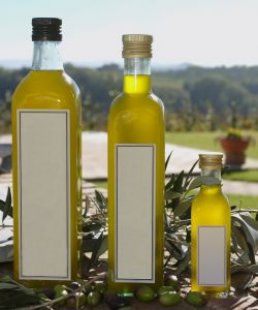
image by homyox

Scientists may have found a new way to reduce the trans-fats that are formed when cooking oils are exposed to heat.  They are adding antioxidants to oils during the manufacturing process

While trans fats are naturally found in small amounts in foods, the food industry has found that partially hydrogenating vegetable oil in order to create artificial trans fats can help extend the shelf life in packaged foods.  The problem is that trans fats raise “bad” cholesterol (LDL) and decrease “good” cholesterol (HDL) levels and also increase individuals’ inflammation levels.

A study in the journal Food Chemistry describes how adding certain antioxidant compounds to the oils when they are packaged and to foods when cooked in that oil can help change the molecular structure of the oils and keep them from forming the sort of bonds that are associated with trans fats.

Source: Food Navigator USA

Vitamin D Linked to Lower Macular Degeneration Risk

Women under 75Annual Survey | Vitamin D3 D Sources

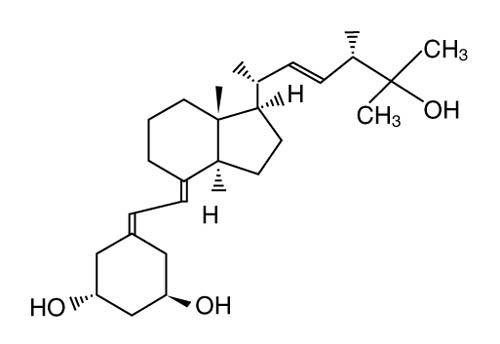
molecular structure
Image via dailymed.nlm.nih.gov

Vitamin D – and the fact that so many people are deficient in this vital compound – has been in the news a lot lately.  A lack of vitamin D has been linked to asthma in children, the development of cancers, cognitive impairment, and increased risk of cardiovascular diseases.

Vitamin D impacts the health of the eyes as well.
A number of  studies show that low vitamin D3 levels correspond to an increase in the incidence of age related macular degeneration.

Editor’s Note: Vitamin D3 is one of the super nutrients that should be part of everyone’s diet, and should be added as a supplement particularly for people who do not get much exposure daily to the sun.  Vitamin D3 has also been tied to helping prevent cancer, improve immune function and bone health, regulate insulin and blood pressure, and more. (Researchers: Parekh N, et al.)

Women Under 75 & Vitamin D

A new study published in The Archives of Ophthalmology finds that women under age 75 can reduce their risk of developing age-related macular degeneration (AMD) by increasing their intake of vitamin D.  A study of over 1300 women found that eating foods rich in vitamin D and taking dietary supplements, but not necessarily time spent in direct sunlight (often considered the best way to get vitamin D), was linked to decreased chances of AMD.  Compared to those who consumed the least vitamin D, those who consumed the most vitamin D were 59% less likely to show signs of AMD.

Those consuming the highest amount (on average about 600 IU) daily had a 59% lower risk of AMD compared to those getting the least amount of 300 IU on average.

Ref: Millen AE, et al. Vitamin D status and early age-related macular degeneration in postmenopausal women. Arch Ophthalmol 129:481-89, 2011.

Note: Research shows that the destructive effects of inflammation on the retina’s blood supply (choroid) and the pigment-containing cells of the retina may play a major role in the development of macular degeneration. Vitamin D may help due to its natural anti-inflammatory properties, as well as strong antioxidant benefits.

Another study  shows that high doses of vitamin D may help women under age 75 fight off macular degeneration (AMD).

Because of its abilities to fight inflammation and support immune health, vitamin D may help suppress the cascade of destructive inflammation  that happens during the early stages of AMD.

Women between age 50 and 79 in the Carotenoids in Age-Related Eye Disease Study were evaluated to determine protective effects of vitamin D intake in the forms of food, nutritional supplements, and sunlight.  Taking vitamin D in supplement form proved to be more helpful in preventing the onset of macular degeneration than exposure to sunlight.  Source: OSN Supersite

This study substantiates two earlier studies:

Annual National Survey

Researchers using data from the Third National Health and Nutrition Examination Survey (1988 through 1994) have found evidence that consuming vitamin D may help ward off age-related macular degeneration (AMD).

In this study, 7752 individuals (including 11% with AMD) were given retinal photographs, dietary intake questionnaires, and blood tests to calculate blood vitamin D (25-hydroxyvitamin D) levels.  Based on these vitamin D blood levels, participants were divided into 5 groups.   Participants in the group with the highest vitamin D levels showed 40% lower risk of developing early AMD than those in the lowest group.

Analysis was also conducted to evaluate associations with important food and supplemental sources of vitamin D.

  • People who drank milk daily decreased their risk of developing AMD, as did those who took supplemental vitamin D consistently but didn’t drink milk daily.
  • Fish consumption was also linked with a lower risk of advanced AMD.

Vitamin D3 Levels

A 2007 study showed the low levels of Vitamin D3 is linked to an increase in the prevalence of macular degeneration.

Source: Parekh N, Chappell RJ, Millen AE, Albert DM, Mares JA. Association Between Vitamin D and Age-Related Macular Degeneration in the Third National Health and Nutrition Examination Survey, 1988 Through 1994. Arch Ophthalmol. May 2007;125: 661-669.

Vitamin D Sources

What are good sources of vitamin D?  Consider fish — it’s naturally rich in vitamin D.  Milk and breakfast cereals are generally fortified with vitamin D as well.  If you are taking supplemental D, vitamin D3 is the most readily absorbable form of D.

Uveitis Is More Severe In Youngest Patients, Adult Risks

Uveitis in Children

image via CDC.gov

Uveitis means “inflammation of the uvea,” an inner layer of the eye, that can result in severe and permanent vision loss. In addition, uveitis can lead to other ocular complications including glaucoma, cataracts, or retinal damage all of which can severely damage the eyes. Early detection and treatment is necessary to reduce the risk of permanent vision loss.

A study published in the British Journal of Ophthalmology examines cases of the condition in children.  The study found that the younger a child is when he develops the disease, the more likely he is to have complications.  Complications include the development of secondary glaucoma, cataracts, and vitreous hemorrhage.  Children who developed uveitis when they were younger were also less likely to experience remission.  Researchers recommend that kids who show signs of uveitis at a young age (perhaps before age 7) receive more intensive monitoring.  Source: British Journal of Ophthalmology (2011;95:646-651)

Adult Uveitis

As part of our Vision Wellness Protocol to prevent all eye diseases, we always recommend that you stop smoking.  Here’s another reason to quit: people who smoke are more than two times as likely to develop uveitis than non-smokers.

Uveitis can be a result of trauma to the eye, but often it is not possible to trace its cause.  But, as this study suggests, we may be able to add smoking to the list.  According to study author Nisha Acharya, MD, “Cigarette smoke includes compounds that stimulate inflammation within the blood vessels, and this may contribute to immune system disruption and uveitis.”

Source https://www.sciencedaily.com

Steroid Treatment for Uveitis: Problems

A recent study of patients undergoing long term topical steroid treatment (e.g. eyedrops) shows that the medication increases the likelihood of developing sub-conjunctival hemorrhage.

The study, published in the medical journal Eye found that those taking steroid eyedrops for uveitis (inflammation of the middle layer of the eye) ran a “substantial” risk of developing spontaneous hemorrhaging in the eyes.  Source: https://www.nature.com/

For more on uveitis, including how to prevent and treat it naturally, visit our website.