
 The macular pigment of the eye is formed by a combination of lutein and zeaxanthin. Lutein is more than just a filter of blue light and an antioxidant. Consider these points about lutein:
- Animals who received no lutein in their diets showed early degenerative signs in the retina.
- Macular pigment is important: patients with macular telangiectasia have serious difficulty seeing.
- The role of lutein in reducing the risk of Age-Related Macular Degeneration (AMD) is the subject of much of much scientific eye research.
- Lutein may cut the risk of cataract formation.
Research is showing that certain eye conditions that are believed to be caused by, Continue reading “Lutein – More Than Meets the Eye”
 Is it possible to prevent or mitigate Alzheimer’s disease through supplementation? Researchers are looking at magnesium’s role in protecting the aging brain from the ravages of Alzheimer’s disease. A new, highly absorbent foam type of magnesium-L-threonate (MgT) concentrates in the brain and restores the types of brain deterioration found in Alzheimer’s disease and other types of memory loss. Experimental models predict improvement in both short-term memory and long-term memory.
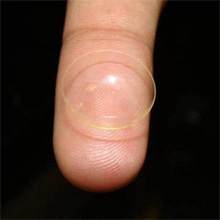 Treatment for the second leading cause of vision loss and blindness, glaucoma, may be improved with a new type of contact lenses that are loaded with Vitamin E. These new Vitamin E contact lenses may serve as delivery devices to treat glaucoma and other eye diseases such as dry eye and cataracts.
 A new study published in the November 2011 Journal of Optometry confirms improved vision in elderly patients with early Macular Degeneration through nutritional supplementation with Zeaxanthin (a carotenoid in the family of lutein).
 A study indicates that melatonin supplements may slow and even reverse the effects of age-related macular degeneration (ARMD). ARMD is the leading cause of serious vision loss in elderly persons.
 Patients taking statin drugs to lower cholesterol might be more likely to get muscle injuries, especially elderly patients.(1) Side effects and adverse reactions, according to other research, may include increased stroke risk, higher risk of Type II Diabetes, low iron, pancreatic dysfunction, sexual dysfunction, suppressed immune system, muscle pain, and more.
 Did you over-indulge in too many high-calorie foods over the holidays? Put on a few extra pounds? Two-thirds of American adults are overweight or obese, and a few extra pounds add up to health risks. However, drinking green tea may help fight body fat and also lower cholesterol levels.