Too Much Meat, Too Little Fiber Lead to Colorectal Cancer

A new study confirms earlier findings that indicate that consuming red and processed meats increases one’s risk of developing colorectal cancer.  The study also strengthens previous assertions that fiber rich foods help protect people from colorectal cancer.

This evidence underlines the preventable nature of colorectal cancer, since it is so attributable to diet.  According to Elisa Bandera, MD, PhD, who served on the World Cancer Research Fund/American Institute for Cancer Research’s Continuous Update Project (CUP) Expert Panel that authored the report “About 45 percent of colorectal cancer cases could be prevented if we all ate more fiber-rich plant foods and less meat, drank less alcohol, moved more and stayed lean.”

The American Institute for Cancer Research (AICR) suggests that people eat no more than 18 ounces of red meat per week (that includes beef, lamb, and pork) and that all processed meats should be avoided.

A plant-based diet rich in fiber-containing foods like whole grains, fruits, vegetables and beans is more important than ever.  Source: Medical News Today, 23 May 2011

These findings on the prevention of colorectal cancer are very much in line with those that we recommend in The Vision Diet. Learn about how to keep your entire body healthy with these recommendations.
Vitamin C Is a Potential Cancer Fighter

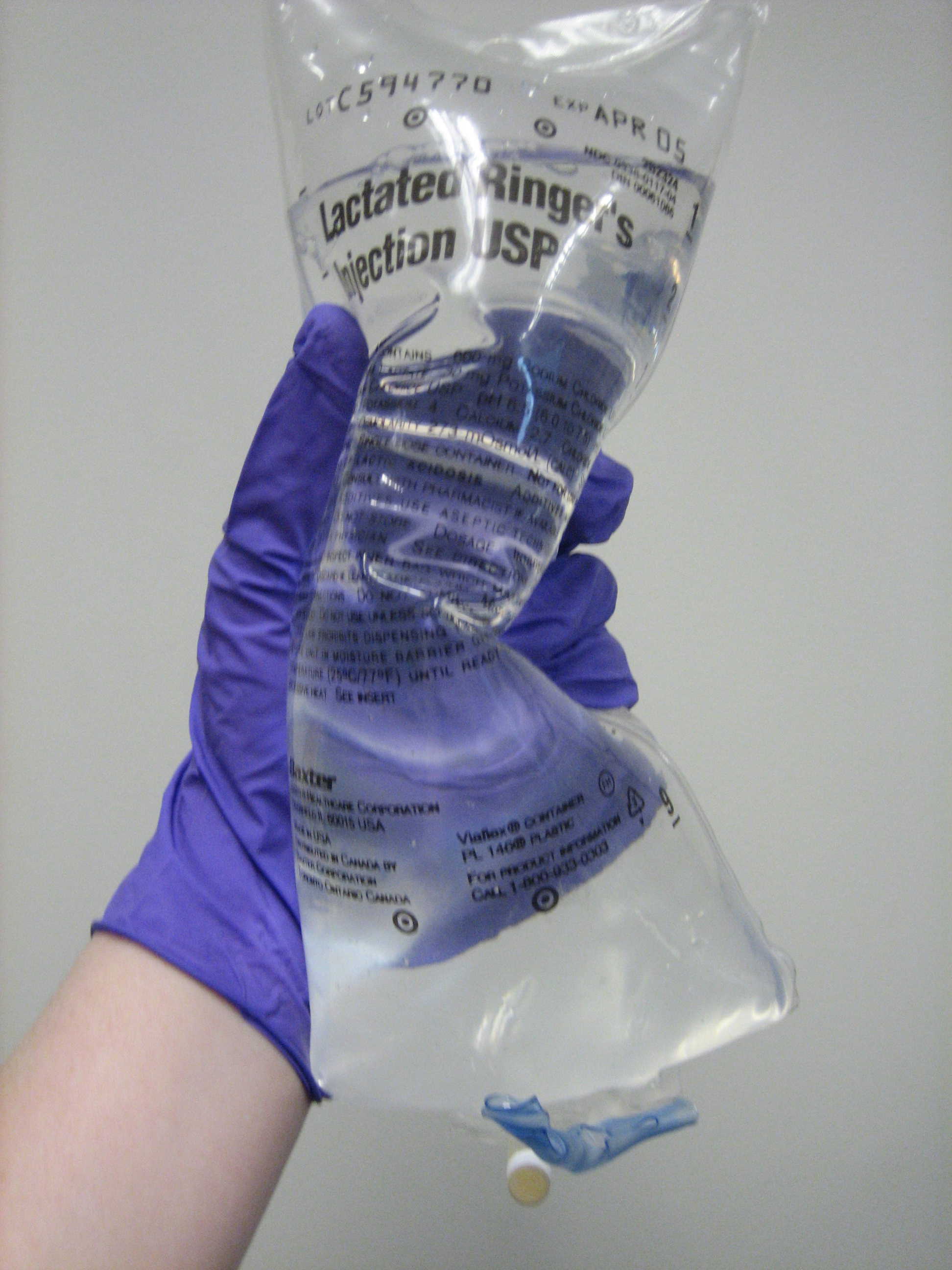
intravenous drip bag
Image via NASA

Vitamin C, given to patients intravenously, could be an effective way to fight cancer.

A study, published in the Journal of Translational Medicine, is based on the assertion that doses of vitamin C could help cancer patients who suffer from wasting (cachexia), immune system deficiencies, and compromised quality of life.  This particular article pulled together the findings from 246 previous studies.

The study sought to include perspectives from the alternative health community that has asserted the benefits of vitamin C as a cancer fighter as well the allopathic medical community that has, in part, agreed that vitamin C could be helpful to cancer patients.

In the past, studies have differed on vitamin C’s effectiveness, but it seems the determining factor in vitamin C’s cancer fighting abilities is in taking it intravenously rather than in pill form.  Source: Medical News Today


Bladder Cancer Slowed and Destroyed by Mustard Seed

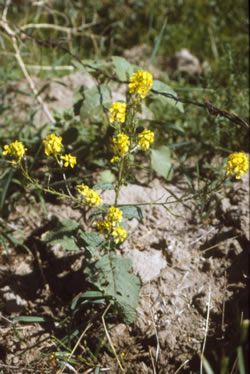
mustard plant
image via www.mda.state.mn.us

Foods really do have the power to fight disease, including cancer.

A study of rats showed that mustard seed powders could successfully stop the growth of cancer and also stop it from spreading.  Supporting the assertion that food has powerful healing potential, it was the food itself that helped these animals, not the purified form of the compound. The cancer in the rats taking mustard seed grew one third slower than the tumors in the rats who did not eat the plant.

Human cancer cells in the laboratory were also neutralized when exposed to the active ingredient in mustard, allyl isothiocyanate.

Study authors did state that all commercially available mustard is not created equally; potency depends on the plant species and the preparation method.

Source: Environment Health News

Learn about how to prevent and treat bladder and urinary tract infections.

Fish Oil Can Reduce Risk of Breast Cancer As Well As Eye Disease

Taking fish oil every day can reduce the risk of developing breast cancer.

A study published in The Journal of Nutrition studied women with early breast stage breast cancer who took omega fatty acids EPA and DHA in the form of both seafood and dietary supplements.  Women who took the most EPA and DHA were 25% less likely to suffer from further breast cancers compared to those in the study who took markedly less of the omega-3s.  Source: https://jn.nutrition.org/content/141/2/201.short?rss=1

This is great news – and it just adds to the already ample evidence about the benefits of fish oils.  Studies have also shown that omega-3 fatty acids can help ward off macular degeneration, retinitis pigmentosa, and dry eye syndrome, just to name a few.  Visit our research pages to learn more.

Care for Early Breast Cancer

On another positive note, researchers reported  that for women who receive breast cancer treatment, may not require an operation to remove the lymph nodes under the arms.  This is a procedure that often leaves the patient with very swollen and painful arms.  The scientists reported that such surgery did not help survival rates or stop the cancer from recurring.

Another study determined that one dose of radiation directly to the tumor location immediately after breast cancer surgery, was just as effective as weeks of radiation treatments following surgery.

Reported by the New York Times

Fireplaces and Wood Stoves Linked to Dry Eyes and Lung Problems

Do you have a fireplace or a wood stove that helps keep you cozy this winter?  A new study published in the journal Chemical Research in Toxicology describes how indoor air pollution caused by wood smoke have been linked to various lung problems.

Researchers describe how inhaling wood smoke particulate matter has been linked to heart disease, asthma, and bronchitis.  It is likely that the inhaled wood smoke is also carcinogenic.

Source: ScienceBlog.com

Indoor fires can also dry up the air, and dry air has been linked to dry eye syndrome. Be sure to run a humidifier in these dry winter months.  Learn more about how to prevent and treat dry eye symptoms.

High Fat and Cholesterol Diets Linked to Breast Cancer

french friesThe fat and cholesterol that is so common in the Western diet may make people more susceptible to breast cancer.
The study, published in the American Journal of Pathology, indicates mice fed diets high in fat and cholesterol developed twice as many tumors as mice that ate limited amounts of fat and cholesterol.  The mice who ate “junk food” grew tumors that were 50% larger than those in their healthier friends.

One intriguing aspect of the study: the “Western diet” mice had lower blood cholesterol levels.  Researchers state that this shows that cancer actually uses cholesterol to fuel its growth.  Source: https://www.foodconsumer.org/

Our Vision Diet will not only help your eyes, but will improve your overall health and can help prevent a host of other diseases.

Prostate Cancer Treatment Linked to Cataracts

Hormone therapy has been proscribed to some men suffering from prostate cancer.  Unfortunately, this treatment has been linked to cataracts according to a study published in the Annals of Epidemiology.

Research shows that study participants on hormone therapy were 9% more likely to develop a cataract compared to those who were not treated with hormone therapy.  In men whose testicles had been removed the risk soared to 26%.  The study involved 66,000 prostate cancer victims.

Learn more about natural cataracts prevention and treatment at our website.

For more about drugs that can harm the eyes, have a look at this page.

Antioxidant Oregano Oil Fights Bacteria and Even Cancer

oregano
image via nps.gov

Oil of oregano contains compounds that can kill bacteria and even fight cancer causing agents.

Carvacrol found in oregano oil has been found to reduce the formation of cancer causing compounds that form when the temperature of beef is raised in the cooking process.  It turns out that oregano oil has antioxidant properties can stop the creatine in the beef from reacting with other molecules to potentially cause cancer in those who eat it.

Researchers are also studying oregano oil’s anti-microbial properties to see how it can help fight e-coli outbreaks. Source: https://www.lef.org/news/LefDailyNews.htm?NewsID=10562&Section=Nutrition

We believe in the power of oregano oil and sell it in our store.

Genes NOT the Cause of Many Diseases

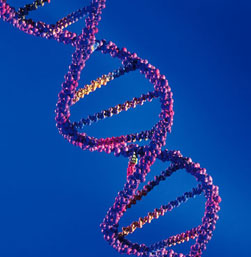
double helix
image via cdc.gov

A new study published by The Bioscience Resource Project offers further support to something that we have long shared with our patients and clients: genes are not necessarily the cause of common diseases.

Researchers from around the world came to a similar conclusion: though there are genetic factors that make people susceptible to many diseases, very few are strong enough to be of any importance.  These findings could have an effect on how we look at the development of  heart disease, stroke, cancers, diabetes,  autism, ADHD, dementia,  schizophrenia, and depression.

Study authors are explaining their results in a way that will be very familiar to those who know how we approach health at Natural Eye Care.  Factors like diet and nutrition, lifestyle habits, and stress management all play key factors in the development of disease. Source: lef.org

Learn more about preventing diseases of the eyes and body at our website.

Cancer Patients More Suceptible to Eye Conditions

After being diagnosed with cancer, and particularly after having undergone cancer treatments, it is especially important for patients to receive good eye care.

One lasting side effect if radiation can be dry eye syndrome.  It is particularly important that any lubricating eye drops that patients use are free of preservatives.

Other complications include radiation induced retinopathy.  Patients are particularly susceptible to this condition if they had chemotherapy at the same time as they were receiving radiation treatments.  Retinopathy caused by radiation looks much like diabetic retinopathy and is treated in the same way.

Source: Optometry Times