Vegans Need Dietary Supplements to Prevent Heart Disease


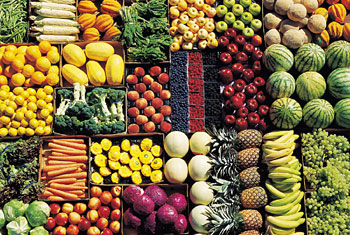
fruit and veg
Image via NASA

A healthy diet is essential to maintaining your vision.  Plenty of fruits, vegetables, and whole grains are key to the health of the eyes and the body as a whole.  Generally, we do not believe that eating some meat is detrimental to health, but we support the many who people will choose to follow vegetarian and vegan diets.

A new study focuses on how people who follow vegan diets are likely to be deficient in both omega-3 fatty acids and vitamin B12.  They should take supplements of both to ward off heart disease, researchers publishing in the Journal of Agricultural and Food Chemistry. Vegans can potentially run a higher risk of developing blood clots and atherosclerosis (hardening of the arteries), which can lead to heart attacks and stroke.

Historically, medical research indicates that meat eaters are more likely to develop heart disease than vegetarians and vegans, but if people do not eat meat they often have low levels of “good” HDL cholesterol.  Taking omega-3 and vitamin B supplements can help offset this risk.

Source: Nutraingredients



Heart Health Depends on Fruit and Vegetable Consumption: New Study

There’s even more science to back up the claim that eating fruits and vegetables will help you fight heart disease.

The European Prospective Investigation into Cancer and Nutrition has published a paper on heart health.  Researchers indicate that those who eat at least 8 servings of fruits and vegetables each day are 22% less likely to die of heart disease.  A “serving” is equal to a small banana, a medium apple, or a small carrot.

One theory is that the antioxidant micronutrients in fruits and veggies reduce the oxidative damage that causes hardening of the arteries or atherosclerosis. At the same time, it is important not just to take antioxidant supplements but to eat the whole food as other compounds in fruits and vegetables also may protect the heart.

Source: TheHeart.org

Learn more about the nutrients available in whole food sources.

Also learn about other ways, besides diet, that you can keep your heart health and avoid atherosclerosis.

Diabetes and Depression Linked to Fatal Heart Attacks In Women

face in hands
image via healthfinder.gov

A new study out of the Harvard School of Public Health finds that women who have diabetes and/or depression are more likely to die of a heart attack than women without those conditions.

According to the study of nearly 80,ooo older women, those with depression were 44% more likely to die of a heart attack.  Those who had diabetes were 35% more likely to suffer a fatal heart attack.  Women with both conditions ran twice the risk of dying of a heart attack compared to those free of both depression and diabetes.

Source: lef.org/

Do your heart a favor and learn more about how to prevent and treat diabetes.

Chest Pains Linked to Family Stress

heartTime with your family can either do your heart good or can do quite the opposite.

A study out of Denmark shows that worries over family situations can lead to chest pains or angina.  The study included over 4500 middle aged people who filled in questionnaires about their own health over a six year period.

Over the six years 9% developed angina.  Problems with spouses increased the risk of developing angina by a factor of three; those who had trouble with their kids were doubly likely to develop chest pains.  Issues with relations that were not as close did not seem to effect the heart.  Source: https://www.theheart.org/

The health of the body and the health of the eyes are intimately connected.  Follow our wellness protocol for your eyes and realize benefits for you heart as well.

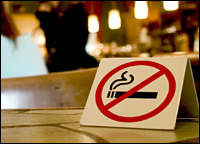
Quit Smoking to Help Your Heart & Prevent Macular Degeneration

no smoking sign
image via CDC.gov

The American Journal of Cardiology has just published a study describing how cigarette smokers with coronary heart disease an greatly benefit from kicking the smoking habit.

The importance of smoking cessation is well documented, but this study goes as far as to say that people who currently smoke are 57% more likely to suffer a major cardiovascular event than those who have quit smoking.  Source: https://www.foodconsumer.org/newsite/Non-food/Lifestyle/smoking_cessation_reduces_heart_disease_risk_1226100122.html

Studies have also proven that smoking cessation can reduce one’s risk of developing macular degeneration.

Learn more macular degeneration research at our website.

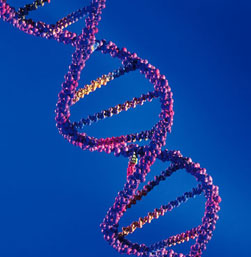
Genes NOT the Cause of Many Diseases

double helix
image via cdc.gov

A new study published by The Bioscience Resource Project offers further support to something that we have long shared with our patients and clients: genes are not necessarily the cause of common diseases.

Researchers from around the world came to a similar conclusion: though there are genetic factors that make people susceptible to many diseases, very few are strong enough to be of any importance.  These findings could have an effect on how we look at the development of  heart disease, stroke, cancers, diabetes,  autism, ADHD, dementia,  schizophrenia, and depression.

Study authors are explaining their results in a way that will be very familiar to those who know how we approach health at Natural Eye Care.  Factors like diet and nutrition, lifestyle habits, and stress management all play key factors in the development of disease. Source: lef.org

Learn more about preventing diseases of the eyes and body at our website.

Snoring and Insomnia Can Lead to Metabolic Syndrome

trying to sleep
image via nlm.nih.gov

Snoring and insomnia are often seen as nuisances, either to the person who just cannot fall asleep or to the partner who has to listen to all that racket.  They may be real cause for concern, however.

New research finds that both snoring and insomnia can predict one’s likelihood of developing metabolic syndrome.  Snoring and insomnia may even cause metabolic syndrome.  As described in this story’s source, the LA Times’s “Booster Shots” column, “Metabolic syndrome is a constellation of risk factors — excess abdominal fat, high triglycerides, high blood sugar, low HDL cholesterol and high blood pressure — that increase the risk of diabetes, heart disease and stroke.”

University of Pittsburgh researchers publishing in the journal Sleep found that those with insomnia are 80% more likely to develop metabolic syndrome.  People who snore loudly were twice as likely to develop the condition.

The Vision Diet is not only beneficial to the eyes, but it will also improve your overall health; visit our site for details.

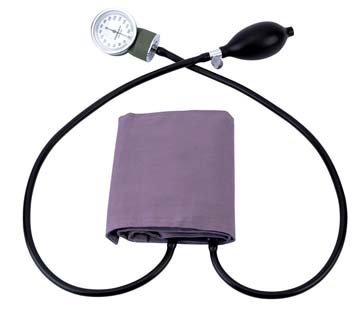
Risk of Retinopathy is Significant Even In Non-Diabetics

blood pressure cuff
image via blog.usa.gov

Retinopathy (damage to the blood vessels of the light-sensitive tissue at the back of the eye) is most commonly associated with diabetes, but a new study shows that 1 in 8 people without diabetes show signs of retinopathy.

The study, published in Ophthalmology describes how retinopathy is linked to hypertension, smoking, and carotid artery disease – all common risk factors for the development of cardiovascular disease.

One study author states that “controlling blood pressure and vascular risk factors may reverse retinopathy.”  Researchers hope that their findings will help health practitioners and patients become more aware of the risk of retinopathy in those who do not show signs of diabetes.

Source: Medscape

Learn more about controlling blood pressure naturally.

Processed Red Meat Associated with Metabolic Sydrome, Heart Disease

hotdogs
Image courtesy US Govt.

An estimated 50 million Americans have Metabolic Syndrome, which means they are at increased risk of coronary heart disease and other diseases related to plaque buildups in artery walls.  Per the American Heart Association, those with MetS suffer from: abdominal obesity, blood fat disorders, elevated blood pressure, and insulin resistance or glucose intolerance.

A new study published in the journal Nutrition, Metabolism and Cardiovascular Diseases finds that one doubles his or her risk of developing MetS if they consume high amounts of red meat, especially processed red meat.

The researchers say that this is the first study of its kind to specifically examine the consequences of eating processed red meat.  Processed meats include: hot dogs, bologna, sausage, ham, and other packaged lunch meats.

Source: Foodnavigator-usa.com

Omega-3s Can Reduce Heart Failure Hospitalizations

Image courtesy of sokhcn.baria-vungtau.gov.vn

Here’s another example of how omega 3 fatty acids can benefit your health: omega-3s can help people suffering from heart failure.

In a study presented at the Heart Failure Society of America 2010 Scientific Meeting, researchers stated that those taking omega-3s over a four year period “demonstrated a minor but statistically significant improvement in LVEF [left ventricular ejection fraction]. . . these effects were also associated with a reduction in hospitalizations for heart failure.”

Source: heartwire

We highly recommend that those wishing to prevent or suffering from such eye conditions as glaucoma, cone-rod disorders, retinitis pigmentosa, or diabetic retinopathy consider taking a daily dose of omega-3 fish oil.  Check with your doctor first, however, if you are taking a blood thinner.