Vitamin D Linked to Lower Macular Degeneration Risk

Women under 75Annual Survey | Vitamin D3 D Sources

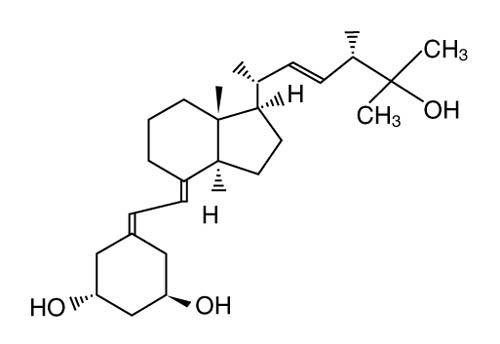
molecular structure
Image via dailymed.nlm.nih.gov

Vitamin D – and the fact that so many people are deficient in this vital compound – has been in the news a lot lately.  A lack of vitamin D has been linked to asthma in children, the development of cancers, cognitive impairment, and increased risk of cardiovascular diseases.

Vitamin D impacts the health of the eyes as well.
A number of  studies show that low vitamin D3 levels correspond to an increase in the incidence of age related macular degeneration.

Editor’s Note: Vitamin D3 is one of the super nutrients that should be part of everyone’s diet, and should be added as a supplement particularly for people who do not get much exposure daily to the sun.  Vitamin D3 has also been tied to helping prevent cancer, improve immune function and bone health, regulate insulin and blood pressure, and more. (Researchers: Parekh N, et al.)

Women Under 75 & Vitamin D

A new study published in The Archives of Ophthalmology finds that women under age 75 can reduce their risk of developing age-related macular degeneration (AMD) by increasing their intake of vitamin D.  A study of over 1300 women found that eating foods rich in vitamin D and taking dietary supplements, but not necessarily time spent in direct sunlight (often considered the best way to get vitamin D), was linked to decreased chances of AMD.  Compared to those who consumed the least vitamin D, those who consumed the most vitamin D were 59% less likely to show signs of AMD.

Those consuming the highest amount (on average about 600 IU) daily had a 59% lower risk of AMD compared to those getting the least amount of 300 IU on average.

Ref: Millen AE, et al. Vitamin D status and early age-related macular degeneration in postmenopausal women. Arch Ophthalmol 129:481-89, 2011.

Note: Research shows that the destructive effects of inflammation on the retina’s blood supply (choroid) and the pigment-containing cells of the retina may play a major role in the development of macular degeneration. Vitamin D may help due to its natural anti-inflammatory properties, as well as strong antioxidant benefits.

Another study  shows that high doses of vitamin D may help women under age 75 fight off macular degeneration (AMD).

Because of its abilities to fight inflammation and support immune health, vitamin D may help suppress the cascade of destructive inflammation  that happens during the early stages of AMD.

Women between age 50 and 79 in the Carotenoids in Age-Related Eye Disease Study were evaluated to determine protective effects of vitamin D intake in the forms of food, nutritional supplements, and sunlight.  Taking vitamin D in supplement form proved to be more helpful in preventing the onset of macular degeneration than exposure to sunlight.  Source: OSN Supersite

This study substantiates two earlier studies:

Annual National Survey

Researchers using data from the Third National Health and Nutrition Examination Survey (1988 through 1994) have found evidence that consuming vitamin D may help ward off age-related macular degeneration (AMD).

In this study, 7752 individuals (including 11% with AMD) were given retinal photographs, dietary intake questionnaires, and blood tests to calculate blood vitamin D (25-hydroxyvitamin D) levels.  Based on these vitamin D blood levels, participants were divided into 5 groups.   Participants in the group with the highest vitamin D levels showed 40% lower risk of developing early AMD than those in the lowest group.

Analysis was also conducted to evaluate associations with important food and supplemental sources of vitamin D.

  • People who drank milk daily decreased their risk of developing AMD, as did those who took supplemental vitamin D consistently but didn’t drink milk daily.
  • Fish consumption was also linked with a lower risk of advanced AMD.

Vitamin D3 Levels

A 2007 study showed the low levels of Vitamin D3 is linked to an increase in the prevalence of macular degeneration.

Source: Parekh N, Chappell RJ, Millen AE, Albert DM, Mares JA. Association Between Vitamin D and Age-Related Macular Degeneration in the Third National Health and Nutrition Examination Survey, 1988 Through 1994. Arch Ophthalmol. May 2007;125: 661-669.

Vitamin D Sources

What are good sources of vitamin D?  Consider fish — it’s naturally rich in vitamin D.  Milk and breakfast cereals are generally fortified with vitamin D as well.  If you are taking supplemental D, vitamin D3 is the most readily absorbable form of D.
Whole Grains, Fiber Help Women Control Diabetes

whole grain
Image via womenshealth.gov

Whole Grains

Women with diabetes can cut their risk of death from a heart attack by eating more whole grains.

A study published in the journal Circulation discusses how women who are a diet rich in whole grains and wheat bran were 16-31% less likely to die over a 26 year period compared to women who did not eat those foods.   When researchers considered mortality risks specifically associated with cardiovascular problems, those who ate a whole-grain and bran healthy diet were 28-35% less likely to die of heart related causes during the study’s duration.

Source: Food Consumer

Fiber

A new study indicated that people with diabetes who take psyllium fiber supplements paired with a low glycemic diet can experience a reduced glycemic risk factors including glycosylated hemoglobin A1c [A1C] or postprandial plasma glucose [PPG] concentrations.  Source: Food Consumer

It can also be important to eat a diet high in fiber. Focus on fruits, vegetables, seeds, oats, and whole-grain products. Note: Diabetics with unrecognized kidney failure could develop serious complications from a high-fiber (and therefore high-potassium) diet.

Learn more about how to help manage diabetes.


Birth Control Pills/ Anti-Depressants Elevate Glaucoma Risk

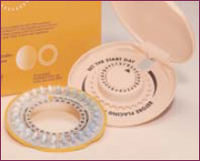
Glaucoma & birth control pillsBirth Control & Glaucoma

Taking birth control pills may be linked to the development of open angle glaucoma (also known as chronic glaucoma).

A study published in the journal Eye (18 February, 2011) describes the findings of a study of nearly 80,000 women over 26 years.  The study sought to find the connection, if any, between the development of glaucoma and the women’s age at menarche, reproductive history, and taking oral contraceptives.

Neither the age of the women when they first menstruated nor their childbearing history had any relation to their chances of getting glaucoma.

The study did find that taking birth control pills for longer than 5 years was related to a moderately increased risk of developing glaucoma.

Source: Nature.com (Eye)

Antidepressants & Glaucoma

The FDA has recently approved Cymbalta, the drug commonly prescribed to treat depression, to also be given patients who suffer from chronic musculoskeletal pain. It has been recommended to people with chronic low back pain and chronic osteoarthritis pain. The drug’s manufacturer, Elly Lily, does not claim to understand how Cymbalta helps alleviate these symptoms.

Source: .disabled-world.com

Cymbalta and other antidepressants have been associated with the development of glaucoma. Antidepressants have also been blamed for such conditions as cataracts and dry eye syndrome.


Acupuncture Relieves Depression, Allergies, Eye Disease

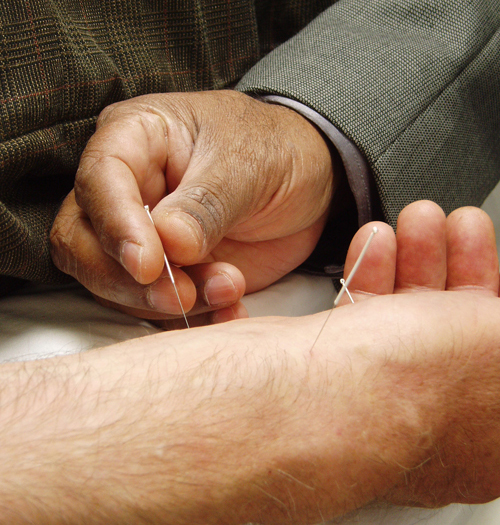
Acupuncture
image by Kyle Hunter

Depression often emerges in post-menopausal women, but a new study out of Norway shows that many women find relief through regular acupuncture sessions.

Previous research found a connection between the occurrence of hot flashes and the emergence of depression, so this study focused on 72 women suffering from sever hot flashes.  At the start of the study 30% reported depression symptoms.  At the end of 12 weeks the rate of participants with depression had fallen to 14%.  Source: https://www.ncbi.nlm.nih.gov/pubmed/21242821

Acupuncture is also known to help relieve allergies.

The topic of eye health and how Chinese Medicine (including acupuncture) can help improve eye health is so rich, we wrote the book on it.

Fatty Acids Reduce PMS and Ward Off Eye Disease

Fatty Acids & Diabetic retinopathy
Image via womenshealth.gov

Here’s another reason to include fatty acids in your diet: they may help relieve premenstrual syndrome (PMS).

A study published in the journal Reproductive Health showed that, compared to placebo, women who took one to two grams of fatty acids per day reported an alleviation of PMS symptoms.  Researchers note that taking a daily dose of fatty acids did not increase cholesterol levels.

Source: nutraceuticalsworld.com

Fatty acids, in the form of omega-3s and omega 6-s have been shown to help prevent and improve conditions such as macular degeneration and diabetic retinopathy.

Ginkgo & PMS

Another study shows that supplementing with Gingko Biloba can significantly reduce physical and psychological symptoms due to PMS. Overall severity of symptoms in the Gingko groups was 34.80% before the treatment and reduced to 11.11% after the treatment.

Ozgoli G, Selselei E. Mojab F. Majd H. A randomized placebo-controlled trial of Gingko Biloba L., in the treatment of premenstrual syndrome. J Altern Complement Med. 2009 Aug:15(8):845-51


High Fat and Cholesterol Diets Linked to Breast Cancer

french friesThe fat and cholesterol that is so common in the Western diet may make people more susceptible to breast cancer.
The study, published in the American Journal of Pathology, indicates mice fed diets high in fat and cholesterol developed twice as many tumors as mice that ate limited amounts of fat and cholesterol.  The mice who ate “junk food” grew tumors that were 50% larger than those in their healthier friends.

One intriguing aspect of the study: the “Western diet” mice had lower blood cholesterol levels.  Researchers state that this shows that cancer actually uses cholesterol to fuel its growth.  Source: https://www.foodconsumer.org/

Our Vision Diet will not only help your eyes, but will improve your overall health and can help prevent a host of other diseases.

Silicon in Bottled Water Can Help Women With Osteoporosis

Scientists interested in counteracting osteoporosis and decreases in bone density are researching how the silicon found in bottled water from artesian wells can help postmenopausal women with low bone mass. Silicon is required in trace amounts for normal bone formation.

This study, published in Nutrition Journal, shows that drinking such water from artesian aquifers is a good source of silicon.  The trials only lasted 12 weeks, not enough time to show changes in the subjects’ bone markers, but researchers are optimistic and believe that further study is warranted.

Because standard treatments such as bisphosphonate drugs and hormone replacement therapy have been associated with osteonecrosis (bone death caused by decreased blood supply) or increased cardiovascular risk, it is important to find new options for women that have fewer debilitating and life threatening side effects.

There are many other compounds that can help combat osteoporosis including magnesium, vitamin D, and copper.

For other helpful supplements and a full overview of natural treatment options for osteoporosis, click here.

Source: Nutrition Journal

Diabetes Related Hospitalizations On the Rise For Young Women

person on bathroom scale
Image courtesy of genome.gov

Over a fourteen year period (1993-2006) diabetes related hospitalizations increased by 66%.  This study, published in the Journal of Women’s Health, shows an even more marked increase for people in their 30s.  Diabetes related hospitalizations for both men and women nearly doubled, but women were 1.3 time more likely to be admitted than their male counterparts.

According to study authors, this discrepancy could be due to women receiving less preventative care for their diabetes.  Pregnancy can be a factor on the development and progression of diabetes, but this study shows that impending motherhood is not the main culprit.  Researchers blame these figures on high obesity rates in the age 20-39 female segment of the population and less aggressive medical management of women’s cases of diabetes.

Source: https://www.medicalnewstoday.com/articles/204245.php

For more information about how to control and prevent diabetes naturally, visit our website.

Also, learn more about how to prevent the related condition, diabetic retinopathy.

Ways to help prevent osteoporosis

Osteoporosis (loss of calcium in bones) affects 44 million men and women in the United States today, resulting in 1.5 million fractures each year. Approximately one-quarter of those people who have hip fractures due to the disorder die within a year after the break due to complications, including not being able to move around very well.

Osteoporosis (loss of calcium in bones) affects 44 million men and women in the United States today, resulting in 1.5 million fractures each year. Approximately one-quarter of those people who have hip fractures due to the disorder die within a year after the break due to complications, including not being able to move around very well.

The causes of osteoporosis for women is often due to estrogen deficiency during and after menopause. Caucasians and Asians also are at higher risk for the disorders than African-Americans. Other risk factors include low body weight, previous fractures and taking high-risk medications such as chemotherapy or steroid treatments which can deteriorate bone.

Things that can be done to help prevent bone loss include:

1) Daily weight bearing exercise

2) Eat a healthy diet (avoid carbonated drinks which can reduce calcium in the body).

3) Avoid bad habits such as smoking or excessive drinking

4) Supplement with a good calcium supplement which includes cofactors such as vitamin D3, Boron, Vitamin K1, Magnesium, and Phosphorus.

4) Supplement with at least 1,000 mg per day of Vitamin D3.

See more information on diet, nutrition and lifestyle related to Osteoporosis.

Flaxseed Oil May Reduce Osteoporosis Risk

Adding flaxseed oil to the diet may reduce risk of osteoporosis in post-menopausal women and women with diabetes, according to new research published in the International Journal of Food Safety, Nutrition, and Public Health.

In a study using laboratory rats, researchers have found that flaxseed oil has a beneficial effect on bone mineral density and reduces markers associated with osteoporosis, suggesting that this dietary supplement may help women with diabetes in reducing their risk of osteoporosis.

Study authors believe that the presence of n-3 fatty acids in flaxseed oil may play a role in protecting the processes of matrix formation and bone mineralization, which are compromised by diabetes and menopause. Further trials with humans are recommended to confirm the effects on bone health, but the implications for use in osteoporosis prevention are encouraging.

Source:  Elwassef, et al, Impact of feeding flaxseed oil on delaying the development of osteoporosis in ovariectomised diabetic rats, International Journal of Food Safety, Nutrition and Public Health 2009 – Vol. 2, No.2  pp. 189 – 201.