
Deficiencies and conditions that can mimic Alzheimer’s Disease

We continue our series on brain health with this short discussion of nutrient deficiencies and a number of health issues which can cause symptoms similar to Alzheimer’s Disease. These should be checked for anyone showing signs of dementia. And we should all pay attention to getting a balanced diet with enough of these important nutrients, supplementing if necessary. Continue reading “Is It Alzheimer’s or Something Else?”
 Glutathione is rather amazing – low levels are biomarkers for various conditions and it is a “super antioxidant.”
 Our bodies are designed to handle stressful situations, referred to as the “flight or fight” mode, wherein when we need to quickly react, the body goes into action and produces hormones that stimulate the adrenal system, raise cortisol levels, and gets our muscles instantly ready to go. Once that situation is resolved, our body has the remarkable ability to return back to homeostasis or normal balance quickly.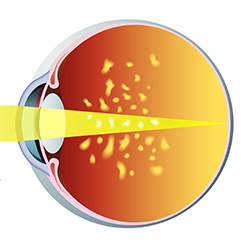
 The U.S. Centers for Disease Control and Prevention tells us to avoid touching our eyes, nose, mouth, or anywhere on the face with unwashed hands. This should help prevent us from contracting Coronavirus 19 (COVID-19).
 Tired eyes are one of the most common complaints eye doctors get from their patients. In this era of computers and mobile devices, the average person in the United States spends about 10 hours, 39 minutes daily in screen time.[1. Howard J. (2016). Americans at more than 10 hours a day on screens. CNN, Cable News Network, 29 July 2016, www.cnn.com/2016/06/30/health/americans-screen-time-nielsen/index.html]
 Liver, Chinese Medicine and Eye Health
 The antioxidants lutein and zeaxanthin help keep the eyes healthy. A new study has found that these nutrients also improve the circulation of blood to the brain. Seniors experience gradual cognitive decline. A recent study showed that taking enough of these antioxidants halted cognitive decline. Research supports the idea that nutrition has a direct impact on the brains and eyes throughout one’s lifespan from infancy (breast milk contains lutein) to old age.[1. Johnson EJ. (2014). Role of lutein and zeaxanthin in visual and cognitive function throughout the lifespan. Nutr Rev. Sep;72(9):605-12.]
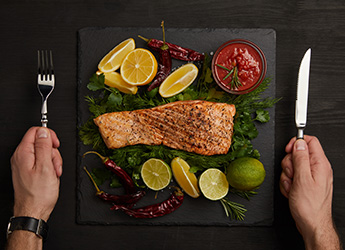 The lowly microalgae in the ocean produce astaxanthin for their protection against environmental stressors and light. Fish and crustaceans consume microalgae and retain the bright red color that we see in salmon, sea trout, shrimp, and krill.