
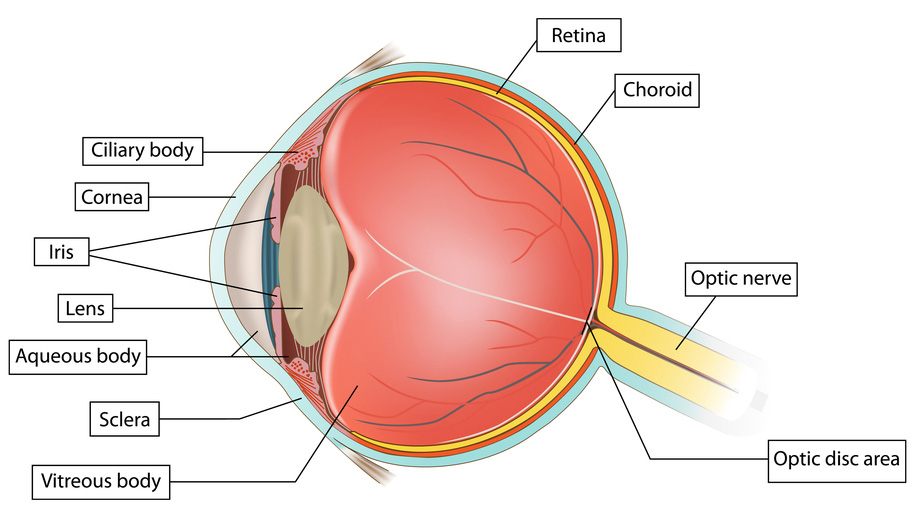
 A retinal tear is an eye problem with potentially serious complications that almost always ensue if not treated promptly. The retina feels no pain. Retinal tears can develop suddenly with little to no warning, and because of the lack of pain, people can easily fail to understand that something serious has occurred. Anyone who has symptoms of a retinal tear, or a more serious retinal detachment, should consult an eye doctor immediately.
Eye Anatomy
In order to grasp what a retinal tear is, it is necessary to Continue reading “What are Retinal Tears or Detachments and What Should I Do?”
 Optic neuritis is an inflammation of the optic nerve that most often strikes young people aged 18-45. It is often accompanied by demyelination of the optic nerve. Demylenation is a loss of some of the fatty covering, called the myelin sheath, that protects the nerve and helps it conduct signals. While most people who develop optic neuritis recover their vision without treatment, a doctor must be consulted. This condition can lead to permanent damage of the optic nerve, creating partial or total blindness or holes in the visual field.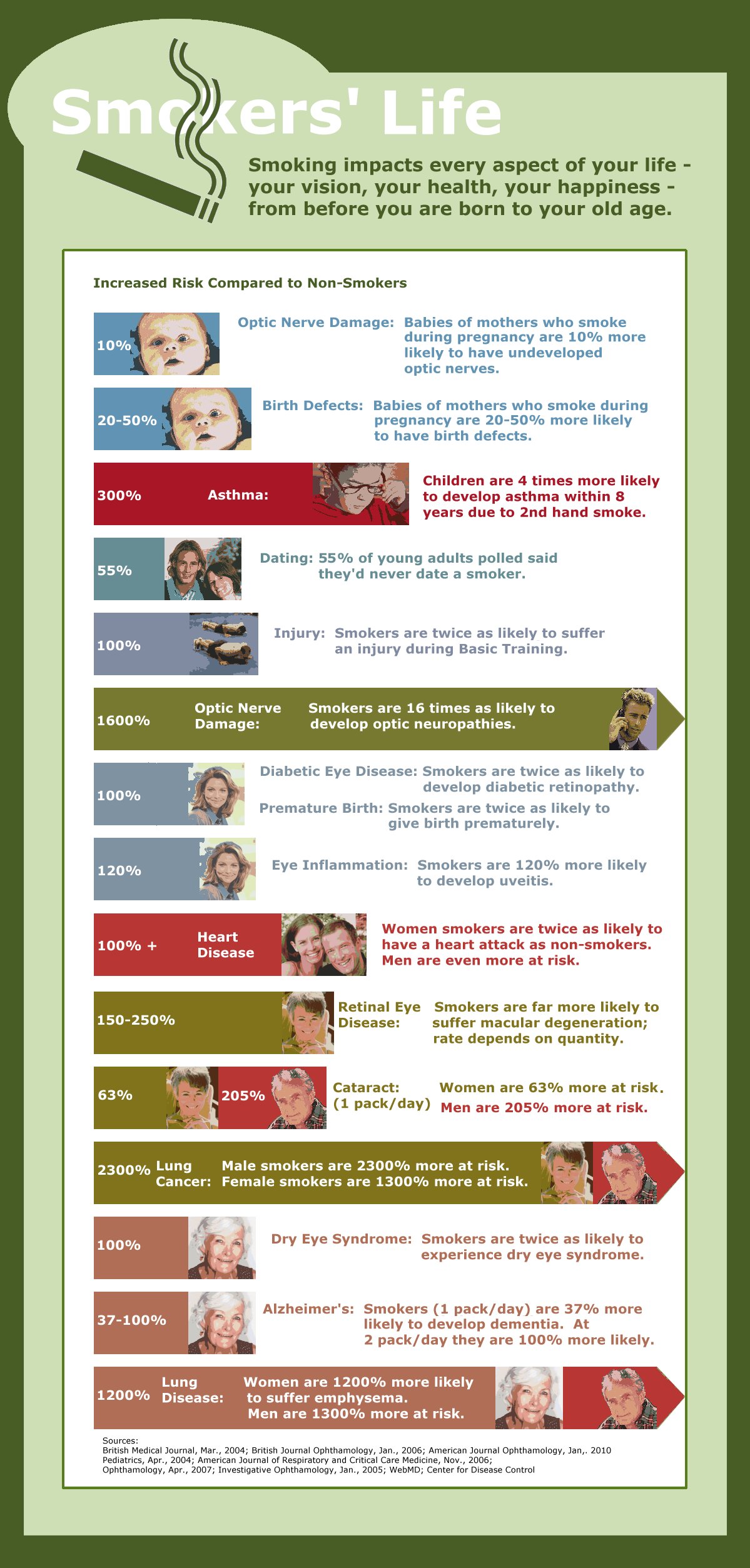
 Devastating eye diseases such as age-related macular degeneration (AMD) and diabetic retinopathy may be detectable sooner with a new camera being developed by ophthalmologist Jean-Daniel Arbour and Photon Etc. in Canada. The camera is designed to detect changes at the metabolic level, even before anatomical changes are visible. It uses hyperspectral photography, which utilizes all wavelengths to detect more details.
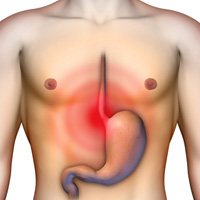 The medications tested were proton pump inhibitors called Prilosec (Omeprazole), Nexium (Esomeprazole Magnesium) and Prevacid (Lansoprazole).
 CoQ10 is a nutrient essential to energy production in the heart. It also has the ability to improve mitochondria metabolism. Issues with mitochondria function may play a role in AMD onset. A study on this was published in Ophthalmologica in 2005.
 In a recent study, hospital patients with higher levels of the vitamin were less likely to develop hospital-acquired bloodstream infection (HABSI).