Glaucoma Linked to Sleep Apnea and Circulatory Issues

Glaucoma
Image via va.gov

A holistic perspective on health means that we recognize the interrelated nature of the body’s systems. It also means that we understand the connection between the eyes and seemingly unrelated conditions like sleep apnea and circulatory problems.

People who have sleep apnea are 75% more likely to have glaucoma than those without sleep conditions.

Glaucoma is a disease that has a lot to do with blood flow.  According to an interview with professor of optometry at the University of Alabama at Birmingham, Dr. Leo Semes, people who have peripheral vascular deregulation (often signaled by chronically cold hands) might mean people are more likely to develop glaucoma.

Source: Modern Medicine

Dr. Semes also cautions people about using beta blockers (drugs often prescribed for high blood pressure or to previous heart attack victims) because “Low blood pressure at night, coupled with high IOP in the supine position, can compromise ocular perfusion pressure.”  Several population-based studies have suggested that low diastolic perfusion pressure is associated with an increased incidence of open-angle glaucoma (OAG).  For information on drugs that can harm the eyes, have a look at this page.
For more research studies on glaucoma and its connection to other physical conditions, please visit our website.

Beef Recalled in Ten States Due to E. Coli Contamination

ground beef
Image via CDC.gov

Another round of beef recalls due to potential E. coli contamination has made the news today.  Over 14,000 pounds of contaminated ground beef may sit on supermarket shelves in 10 states.

The meat is available under various brand names in Arizona, California, Georgia, Indiana, Iowa, Missouri, North Carolina, Ohio, Pennsylvania, and Washington.

E. coli related infections can cause bloody diarrhea, dehydration, and, in severe cases, kidney failure and most seriously affects the very young, the very old, and those with compromised immune systems.  Source: WebMD

This outbreak may cause you to think about cutting back on the meat you consume and considering the benefits of a vegetarian diet.  Studies show that moving to an exclusively plant based diet can reverse atherosclerosis (hardening of the arteries), a condition that contributes directly to heart attacks.

Since this is the American Dietetic Association’s National Nutrition Month and the focus is on eating well based the color of your foods (and that means red fruits and veggies, not red meat), why not have a look at their site and think about enhancing your dietary palette (and palate!).

Learn more about how to prevent and treat atherosclerosis naturally.


Acupressure Helps Patients with Traumatic Brain Injuries

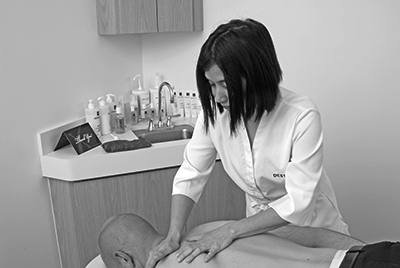
acupressure Acupressure – using the fingers to stimulate acupuncture points along the body’s energy meridian system – has been found to improve brain activity in those suffering from mild traumatic brain injuries.

The study, published in the Journal of Neurotrauma, involved the Jin Sin style of acupressure.  Of the 38 subjects in the trial, some experienced treatments involving real acupuncture points while the rest of the participants received touch on other parts of the body.  Those who received acupressure scored higher on memory and cognition tests.

According to lead study author Theresa Hernandez, “We would like to see if the Jin Shin treatment is useful to military veterans returning home with traumatic brain injury, a signature wound prevalent in the wars in Iraq and Afghanistan,” said Hernandez. The Jin Shin acupressure treatment can be taught to family and friends of those with TBI and can even be used as a self-treatment, which could allow for more independence, she said.  Source: Science Daily

Stimulating acupressure points around the eyes can be an effective way to soothe strained eyes.  This video offers an example of how a simple massage involving acupuncture points can soothe tired eyes.


Napping Can Reduce Stress and Improve Heart Health

Nappint - heart diseaseStress is linked to a host of health problems including hypertension and the onset of glaucoma.  At Natural Eye Care we recommend that people concerned about their eye health and their overall health do whatever they can to reduce their stress levels including practicing yoga or tai chi, taking up a regular meditation practice, and taking walks in nature.

A new study in International Journal of Behavioral Medicine describes how a daily nap of at least 45 minutes reduces stress and helps lower blood pressure and promotes heart health.

Research involved 85 healthy college students.  Those who napped had significantly lower blood pressure than those did not sleep during the day. Source: www.healthfinder.gov

For more research on how to manage high blood pressure with integrative health approaches, visit our website.


Birth Control Pills/ Anti-Depressants Elevate Glaucoma Risk

Glaucoma & birth control pillsBirth Control & Glaucoma

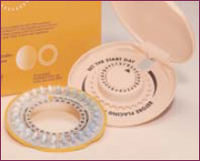
Taking birth control pills may be linked to the development of open angle glaucoma (also known as chronic glaucoma).

A study published in the journal Eye (18 February, 2011) describes the findings of a study of nearly 80,000 women over 26 years.  The study sought to find the connection, if any, between the development of glaucoma and the women’s age at menarche, reproductive history, and taking oral contraceptives.

Neither the age of the women when they first menstruated nor their childbearing history had any relation to their chances of getting glaucoma.

The study did find that taking birth control pills for longer than 5 years was related to a moderately increased risk of developing glaucoma.

Source: Nature.com (Eye)

Antidepressants & Glaucoma

The FDA has recently approved Cymbalta, the drug commonly prescribed to treat depression, to also be given patients who suffer from chronic musculoskeletal pain. It has been recommended to people with chronic low back pain and chronic osteoarthritis pain. The drug’s manufacturer, Elly Lily, does not claim to understand how Cymbalta helps alleviate these symptoms.

Source: .disabled-world.com

Cymbalta and other antidepressants have been associated with the development of glaucoma. Antidepressants have also been blamed for such conditions as cataracts and dry eye syndrome.


Patient Expectation Greatly Influence Drugs’ Effectiveness

taking medicationExpectations can be powerful forces – particularly when it comes to the expectations associated with the effectiveness of pain medications.

A study published in Science Translational Medicine shows that expectations can shape both a drug’s benefits and negative side effects. Using functional MRI technology, researchers tracked study participants’ reaction to pain under three conditions: participants had no expectation of receiving pain killers (in this case, a potent opiod); participants expected pain relief from the medication; and participants expected that the medication would actually make the pain worse.

Researchers found that positive expectations made the medication twice as effective.  On the other hand, when they had negative expectations the pain killers were essentially useless.  Different parts of the brain were stimulated depending on whether the participants were optimistic or pessimistic about the effects of the drug.

The scientists concluded that patients’ expectations are critical to the effectiveness of a prescribed drug.  They also say that “may be necessary to integrate patients’ beliefs and expectations into drug treatment regimes alongside traditional considerations in order to optimize treatment outcomes.”  Source: https://stm.sciencemag.org/content/3/70/70ra14.abstract

Blood Pressure Medication Administered After Stroke Can Harm Patients

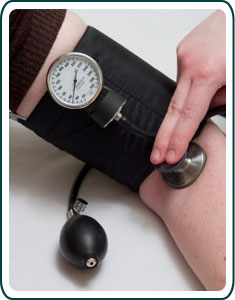
blood pressure cuffBlood pressure medicines and stroke victims don’t mix, says a new study out of Norway.

The study, published in The Lancet, describes how the administration of blood pressure medication to people who have just had a stroke who also have high blood pressure will offer them no benefit and may even be harmful.

Researchers say that stroke victims should not be given anti-hypertensive medications during the week after a stroke.  In some stroke patients the drugs had no effect; in others there were actually negative outcomes associated with the blood pressure medications.  This study indicates that doctors should stick to current guidelines and abstain from trying to lower stroke patients’ blood pressure.  Source: https://www.healthfinder.gov/news/newsstory.aspx?docID=649806

People who have high blood pressure are 4 to 6 times more likely to have a stroke.  Learn more about how to lower blood pressure naturally – before you have to worry about whether you can lower it post-stroke.

Also, visit our website to learn about the negative side effects of commonly prescribed pharmaceuticals.

Acupuncture Relieves Depression, Allergies, Eye Disease

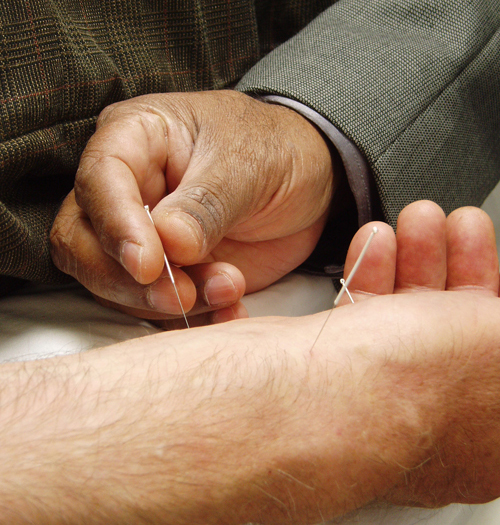
Acupuncture
image by Kyle Hunter

Depression often emerges in post-menopausal women, but a new study out of Norway shows that many women find relief through regular acupuncture sessions.

Previous research found a connection between the occurrence of hot flashes and the emergence of depression, so this study focused on 72 women suffering from sever hot flashes.  At the start of the study 30% reported depression symptoms.  At the end of 12 weeks the rate of participants with depression had fallen to 14%.  Source: https://www.ncbi.nlm.nih.gov/pubmed/21242821

Acupuncture is also known to help relieve allergies.

The topic of eye health and how Chinese Medicine (including acupuncture) can help improve eye health is so rich, we wrote the book on it.

Tai Chi Helps Seniors’ Balance and Reduces Falls

At Natural Eye Care, we recommend stress reduction techniques as a way to promote eye health.  At the top of our list is the practice of tai chi.  Not only does tai chi help to calm the mind and the body, it has also been shown to prevent falls in older adults.

A study in the journal Alternative Therapies offers a review of several studies that describe the efficacy of a regular tai chi practice for older adults looking to improve balance and, as  result, reduce the risk of injury from falls.  Researchers concluded that tai chi does reduce fall risks but that more research is necessary to determine what kind of tai chi is most effective.  Source: Alternative Therapies

Learn more about how to prevent and treat eye disease at our website.

Exercise: Prevent Diabetes By Walking 10,000 Steps Per Day

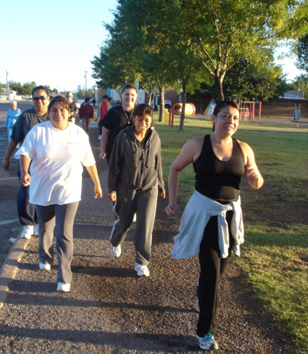
exercise & diabetes
image via cdc.gov

A new study published in the British Medical Journal makes the case for walking away from diabetes.

The researchers studied nearly 600 adults over 5 years and found that those who took 10,000 steps per day (the equivalent of 5 miles) had much better insulin sensitivity than those who walked less.

Diabetes risk decreases when one’s insulin sensitivity increases.

Source: LA Times article

Learn more about the related condition, diabetic retinopathy – a potentially blinding disease that can be prevented and treated with proper nutrition and exercise.

Low Muscle Mass = Increased Risk

New study shows low skeletal muscle mass and strength often found in those who are older or obese may put individuals at risk for developing type 2 diabetes, and that a good diet may not be enough to prevent type 2 diabetes.

These associations were stronger in people age 60 and under, in whom sarcopenia (the degenerative loss of skeletal muscle mass and strength associated with aging) was associated with high levels of blood sugar in both obese and thin people, and with diabetes in obese individuals.

The findings are published in the journal Plos One.

Editor’s Note: Learn more about  nutrition and diabetes.