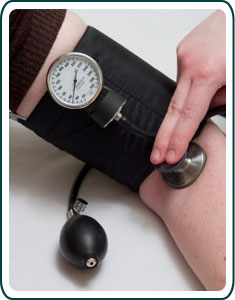
Blood Pressure Medication Administered After Stroke Can Harm Patients

blood pressure cuffBlood pressure medicines and stroke victims don’t mix, says a new study out of Norway.

The study, published in The Lancet, describes how the administration of blood pressure medication to people who have just had a stroke who also have high blood pressure will offer them no benefit and may even be harmful.

Researchers say that stroke victims should not be given anti-hypertensive medications during the week after a stroke.  In some stroke patients the drugs had no effect; in others there were actually negative outcomes associated with the blood pressure medications.  This study indicates that doctors should stick to current guidelines and abstain from trying to lower stroke patients’ blood pressure.  Source: https://www.healthfinder.gov/news/newsstory.aspx?docID=649806

People who have high blood pressure are 4 to 6 times more likely to have a stroke.  Learn more about how to lower blood pressure naturally – before you have to worry about whether you can lower it post-stroke.


Also, visit our website to learn about the negative side effects of commonly prescribed pharmaceuticals.

Prostate Cancer Treatment Linked to Cataracts

Hormone therapy has been proscribed to some men suffering from prostate cancer.  Unfortunately, this treatment has been linked to cataracts according to a study published in the Annals of Epidemiology.

Research shows that study participants on hormone therapy were 9% more likely to develop a cataract compared to those who were not treated with hormone therapy.  In men whose testicles had been removed the risk soared to 26%.  The study involved 66,000 prostate cancer victims.

Learn more about natural cataracts prevention and treatment at our website.

For more about drugs that can harm the eyes, have a look at this page.

Mercury in Fish Can Increase Blood Pressure: Find Omegas in Other Sources for Heart and Eye Health

Your new year’s resolutions may well include eating better, both for the health of your heart and the health of your eyes.  The essential fatty acids found in fish can be a great addition to your diet.

In particular, omega-3 fatty acids help to reduce cholesterol and increase circulation to the retina.  Omega-6 fatty acids are important as they protect cells from degenerative changes and reduce inflammation throughout the body. Both Omega 3s and 6s help prevent and even treat glaucoma and macular degeneration.

ocean
image via noaa.gov

A word of caution about your fish intake the effect of mercury which contaminates the larger ocean predator fish (tuna, swordfish, marlin, sharks, etc): too much mercury in the body can raise your blood pressure.

Source: theheart.org/article/1010897.doc

Small fish like sardines are a safe choice, but there are non-swimming sources of essential fatty acids out there too.  Find omega-3s in flax seed oil, black current oil, walnuts and walnut oils, dark leafy vegetables, eggs (preferably from free range chickens), spices (including mustard, fennel, cumin, and fenugreek).  Get your omega-6s from evening primrose, borage and black currant oils.


Learn more about food sources of nutrients and how they can benefit your eyes and your whole body.

Avoid Eye Injury: Careful When You Pop the Champagne Corks Tonight

champagne cork
image by egomedia

Every holiday tends to be accompanied with a few unique safety concerns.  In the case of New Year’s Eve: beware of the popping champagne cork.

According to the American Academy of Opthalmology a cork can shoot out of a champagne bottle at up to 50 miles per hour.

    • Make sure sparkling wine is chilled to at least 45 degrees Fahrenheit before opening. The cork of a warm bottle is more likely to pop unexpectedly.
    • Don’t shake the bottle. Shaking increases your chances of eye injury.
    • To open the bottle safely, hold down the cork with the palm of your hand while removing the wire hood. Point the bottle at a 45-degree angle away from yourself and from any bystanders.
    • Place a towel over the entire top of the bottle and grasp the cork.
    • Keep the bottle at a 45-degree angle as you slowly and firmly twist the bottle while holding the cork to break the seal. Continue to hold the cork while twisting the bottle. Continue until the cork is almost out of the neck. Counter the force of the cork using slight downward pressure just as the cork breaks free from the bottle.
    • Never use a corkscrew to open a bottle of champagne or sparkling wine.

Source: https://www.aao.org

And one other thing to keep in mind: a dramatic popping cork like they have in the movies will undoubtedly lead to a lot of spilled champagne.  Open the bottle carefully so you can enjoy what’s inside!

Anti-Inflammatory Medications May Slow Macular Degeneration, But Are They Safe?

Macular Degeneration
nlm.nih.gov

Researchers have found that taking anti-inflammatory medication may slow the progression of macular degeneration. But, there are concerns about the safety of this “solution.”

A study published in the journal Eye describes how corticosteroids, nonsteroidal anti-inflammatory drugs (NSAIDs), immunosuppressive agents (e.g. methotrexate and rapamycin), and biologics could help those with AMD. Source www.nature.com

A caveat to the research indicates that there are concerns about the long term safety of taking such drugs.  At Natural Eye Care we are very concerned about the way that prescription and non-prescription pharmaceuticals can harm the eyes.

For example, NSAID drugs like aspirin, ibuprofen, and naproxen can cause eye hemorrhaging, glaucoma, and cataracts.

Meditation As Effective As Drugs For Treating Depression

depression
image via womenshealth.gov

A daily meditation practice can be just as effective as taking prescription drugs if you want to prevent a relapse of depression.

A study out of the Centre for Addiction and Mental Health in Canada found that patients who attended mindfulness training and were taught to productively reflect on their feelings were able to avoid taking mediation.  After a year and a half only 38% in the study group had suffered a relapse of depression compared to 46% who took medication.  Source: Livescience.com

Antidepressant medication’s side effects can have negative effects on the eyes.  Click here to learn about how medications can damage the eyes.

Daily meditation is part of the wellness practices that we recommend as part of our Vision Wellness Protocol.

Gout Linked to Consumption of Sugary Beverages

Gout isn’t just a disease that attacked historical heavyweights like Henry VIII.

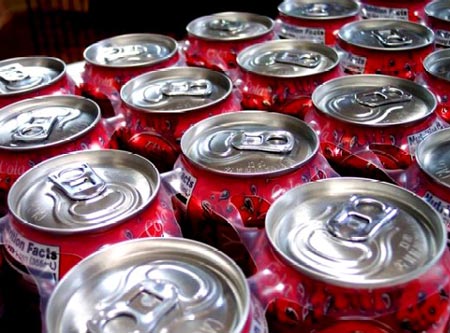
soft drink cans
image via hvo.wr.usgs.gov

A new study in the Journal of the American Medical Association seeks to determine if sugar-laden sodas and orange juice increase the likelihood that women will develop gout.  Gout is a form of arthritis that occurs when crystals of uric acid accumulate in a joint.

Over 22 year study, researchers did find that consuming high-fructose beverages did increase women’s risk of developing gout.  That said, out of the nearly 79,000 women in the study, only 778 developed the disease over that period.  Source: https://jama.ama-assn.org/cgi/content/short/jama.2010.1638v1?rss=1

Learn more about how to prevent and treat gout naturally.

Tips and Warnings If You Must Take Antibiotics

Antibiotics
image via blog.usa.gov

The discovery of antibiotics was a miracle of a kind, but the wonder drugs are not without their drawbacks.

Antibiotics have been associated with dry eye syndrome, eye hemorrhaging, cataracts, and light sensitivity.  Learn more about how antibiotics and other drugs side effects can pose a risk to the health of your eyes.

If you really do need to take antibiotics, you should also think about your diet and how the foods you eat can affect the effectiveness of the drugs.  Remember that antibiotics can wipe out essential vitamins like B and K, so consider a supplement to give yourself a boost.  Don’t take antibiotics at the same time as iron and calcium rich foods because they inhibit the body’s ability to absorb the medication.  Cut back on acidic foods like citrus, chocolate, and tomato based products for the same reason.

Source: LefDailyNews

Remember to take a probiotic and eat plenty of yogurt (preferably goat yogurt) to keep your internal flora thriving through the course of antibiotic use.

Inhaled Sterioids Increase Diabetes Risk in COPD Patients

The use inhaled corticosteroids has been linked to a heightened risk of developing type 2 diabetes.

The study published in the American Journal of Medicine indicated that patients with chronic obstructive pulmonary disorder or COPD who use these drugs should pay special attention to this warning.  Drugs include  fluticasone (Flonase, Advair), budesonide (Pulmicort, Rhinocort) and beclometasone (QVAR, Beclovent).  These drugs are also prescribed to people with asthma, but researchers say that their diabetes risk is not nearly as significant as it is for COPD patients.

Source: https://www.foodconsumer.org/newsite/Non-food/Drug/inhaled_steroids_boost_diabetes_mellitus_risk_1311100714.html

Learn about natural treatment options for diabetes at our website.

For information about how other drugs can harm the body and the eyes, click here.

Causes of Dry Eye: Make up, Hormones, Computer Use

dry eye syndrome
image by jovirakel

According to an article in Primary Care Optometry News dry eye symptoms can be caused by interactions of cosmetics.  Gregory S. Moore, OD pins the problem on the interaction of different product brands rather than the used of eye make-up in general.  He says “There’s the possibility that different brands of make-up are interacting and causing a problem.  The U.S. Food and Drug Administration only requires companies to test the brands against themselves, so you never know if what you’re using could be causing some type of chemical reaction.”  Source: https://www.pconsupersite.com

Other causes of dry eye can include hormonal changes (specifically in women) and computer eye strain.