Targeted Nutrients May Help Migraine Headaches

occular migraines is a type of migraine headacheEveryone who suffers from migraine headaches wants to know how to prevent their next migraine. Recent strong research has resulted in guidelines for doctors to help prevent their patients’ future migraines, including the use of herbs, vitamins and minerals. The guidelines make recommendations for specific types of patients, such as patients with certain other conditions, obese patients, new migraine patients, and pregnant/lactating women.

This research, conducted by the Canadian Headache Society, reviewed a large body of double-blind studies according to standardized criteria. They also did a general literature review and got expert consensus for aspects of prophylactic (preventative) migraine therapies that did not have randomized clinical trials.

Continue reading “Targeted Nutrients May Help Migraine Headaches”

Age-Related Eye Disease Prevention

Older adult may face eye disease with agingAs people age, eye diseases and conditions that commonly occur include macular degeneration, cataracts, vitreous tears/retinal tears and detachments, glaucoma, diabetic retinopathy, dry eyes, and eye floaters.

The question arises as to whether eye disease is inevitable with age. Will all older adults eventually have a “glint” in their eyes after cataracts surgery? More than 50% of people aged 75+ have glaucoma, cataracts, or macular degeneration. Can aging adults do anything to prevent, manage or slow down eye diseases associated with aging?

A large body of research is accumulating that shows the effects of regular eye exercises, good nutrition, and targeted supplementation on preventing and/or managing eye conditions. For instance, peer-reviewed research has shown that the risk of getting macular degeneration can be significantly reduced by taking fish oil and lutein on a daily basis. Vigorous exercise may reduce the incidence of glaucoma. And the effects of antioxidants on preventing cataract and macular degeneration have been the subject of significant research.

Continue reading “Age-Related Eye Disease Prevention”

Record-breaking Fine Against Drug Company GlaxoSmithKline

Drug company finedDrug maker GlaxoSmithKline has been found guilty of fraud in the way it reported research on, or marketed, on 3 of its medications in the largest settlement against a drug company in US history–$3 billion. The issues involved 10 drugs, and included marketing “off-label” use of the antidepressants Paxil and Wellbitrin and the asthma drug Advair, and not reporting all the safety data for the diabetes drug Avandia.

GlaxoSmithKline pleaded guilty and agreed to pay $3b total in both criminal fines and civil settlements with the federal and state governments. The fines will be paid next year.

In a press conference, Deputy US Attorney General James Cole said the settlement was “unprecedented in both size and scope.”

Continue reading “Record-breaking Fine Against Drug Company GlaxoSmithKline”

Natural Curcumin Beats Drug for Rheumatoid Arthritis in Study

Curcumin from turmeric may help rheumatoid arthritisA pilot study published in Phytotherapy Research compared curcumin – derived from natural turmeric – with the drug diclofenac for treating rheumatoid arthritis (RA). Natural curcumin actually reduced RA symptoms even better than the RA drug diclofenac: a 44% reduction in symptoms on the Disease Activity Score and the American College of Rheumatology criteria for reduction of swelling and tenderness of joins. Patients receiving diclofenac had a 42% reduction.


This is good news because curcumin has no known side-effects. Using anti-inflammatory medications over the long term sometimes has side effects that can result in stomach ulcers and damage to the kidneys. The extremely popular non-steroidal anti-inflammatory medication Vioxx (Rofecoxib – $2.5 billion in sales in 2003) was removed from the market in 2004 due to increased risk of heart attacks and stroke.

Continue reading “Natural Curcumin Beats Drug for Rheumatoid Arthritis in Study”

Macular Degeneration Drug Associated With Cerebral Hemorrhage

eyesThe Wall Street Journal reports that researchers at Johns Hopkins are concerned about potential safety issues with the drug Avastin, which is sometimes proscribed on an off-label basis to macular degeneration patients.  A study comparing Avastin to its leading competition Lucentis (which was formulated specifically for the eye condition) found that those taking Avastin had an 11 percent higher mortality risk and 57 percent higher risk of cerebral hemorrhage.  The study did not take into account other risk factors like smoking, hypertension, or elevated cholesterol levels.  Source: Wall Street Journal

At Natural Eye Care we offer people with macular degeneration options that include nutrition advice, lifestyle recommendations, and natural supplement suggestions.

Toxicity Found in Freshwater Fish

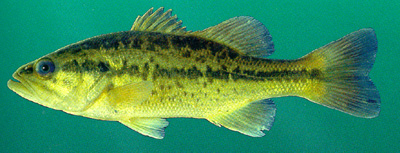
Freshwater fish toxinsWe often recommend cold water ocean fish for the essential fatty acids they provide, which are vital to protecting us from glaucoma and macular degeneration.

New information presented at an American Chemical Society (ACS) meeting may  raise concerns about consuming freshwater fish, however.

Freshwater fish are showing high levels of an agent called triclocarban (TCC) that has potential hormone-disrupting properties.  Researchers believe the source of this river and stream contamination that is showing up in fish is an ingredient found in some antibacterial soaps.  Scientists do point out that there is no evidence that TCC accumulates in the human body.

Previous studies have found that TCC and another antibacterial soap additive, triclosan “don’t prevent the spread of disease any better than ordinary soap, yet both may cause disruption of reproductive hormones,” according to the ACS press release.  Source: healthfinder.gov


Glaucoma Linked to Sleep Apnea and Circulatory Issues

Glaucoma
Image via va.gov

A holistic perspective on health means that we recognize the interrelated nature of the body’s systems. It also means that we understand the connection between the eyes and seemingly unrelated conditions like sleep apnea and circulatory problems.

People who have sleep apnea are 75% more likely to have glaucoma than those without sleep conditions.

Glaucoma is a disease that has a lot to do with blood flow.  According to an interview with professor of optometry at the University of Alabama at Birmingham, Dr. Leo Semes, people who have peripheral vascular deregulation (often signaled by chronically cold hands) might mean people are more likely to develop glaucoma.

Source: Modern Medicine

Dr. Semes also cautions people about using beta blockers (drugs often prescribed for high blood pressure or to previous heart attack victims) because “Low blood pressure at night, coupled with high IOP in the supine position, can compromise ocular perfusion pressure.”  Several population-based studies have suggested that low diastolic perfusion pressure is associated with an increased incidence of open-angle glaucoma (OAG).  For information on drugs that can harm the eyes, have a look at this page.

For more research studies on glaucoma and its connection to other physical conditions, please visit our website.

Beef Recalled in Ten States Due to E. Coli Contamination

ground beef
Image via CDC.gov

Another round of beef recalls due to potential E. coli contamination has made the news today.  Over 14,000 pounds of contaminated ground beef may sit on supermarket shelves in 10 states.

The meat is available under various brand names in Arizona, California, Georgia, Indiana, Iowa, Missouri, North Carolina, Ohio, Pennsylvania, and Washington.

E. coli related infections can cause bloody diarrhea, dehydration, and, in severe cases, kidney failure and most seriously affects the very young, the very old, and those with compromised immune systems.  Source: WebMD

This outbreak may cause you to think about cutting back on the meat you consume and considering the benefits of a vegetarian diet.  Studies show that moving to an exclusively plant based diet can reverse atherosclerosis (hardening of the arteries), a condition that contributes directly to heart attacks.

Since this is the American Dietetic Association’s National Nutrition Month and the focus is on eating well based the color of your foods (and that means red fruits and veggies, not red meat), why not have a look at their site and think about enhancing your dietary palette (and palate!).

Learn more about how to prevent and treat atherosclerosis naturally.


Birth Control Pills/ Anti-Depressants Elevate Glaucoma Risk

Glaucoma & birth control pillsBirth Control & Glaucoma

Taking birth control pills may be linked to the development of open angle glaucoma (also known as chronic glaucoma).

A study published in the journal Eye (18 February, 2011) describes the findings of a study of nearly 80,000 women over 26 years.  The study sought to find the connection, if any, between the development of glaucoma and the women’s age at menarche, reproductive history, and taking oral contraceptives.

Neither the age of the women when they first menstruated nor their childbearing history had any relation to their chances of getting glaucoma.

The study did find that taking birth control pills for longer than 5 years was related to a moderately increased risk of developing glaucoma.

Source: Nature.com (Eye)

Antidepressants & Glaucoma

The FDA has recently approved Cymbalta, the drug commonly prescribed to treat depression, to also be given patients who suffer from chronic musculoskeletal pain. It has been recommended to people with chronic low back pain and chronic osteoarthritis pain. The drug’s manufacturer, Elly Lily, does not claim to understand how Cymbalta helps alleviate these symptoms.

Source: .disabled-world.com

Cymbalta and other antidepressants have been associated with the development of glaucoma. Antidepressants have also been blamed for such conditions as cataracts and dry eye syndrome.


Patient Expectation Greatly Influence Drugs’ Effectiveness

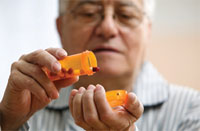
taking medicationExpectations can be powerful forces – particularly when it comes to the expectations associated with the effectiveness of pain medications.

A study published in Science Translational Medicine shows that expectations can shape both a drug’s benefits and negative side effects. Using functional MRI technology, researchers tracked study participants’ reaction to pain under three conditions: participants had no expectation of receiving pain killers (in this case, a potent opiod); participants expected pain relief from the medication; and participants expected that the medication would actually make the pain worse.

Researchers found that positive expectations made the medication twice as effective.  On the other hand, when they had negative expectations the pain killers were essentially useless.  Different parts of the brain were stimulated depending on whether the participants were optimistic or pessimistic about the effects of the drug.

The scientists concluded that patients’ expectations are critical to the effectiveness of a prescribed drug.  They also say that “may be necessary to integrate patients’ beliefs and expectations into drug treatment regimes alongside traditional considerations in order to optimize treatment outcomes.”  Source: https://stm.sciencemag.org/content/3/70/70ra14.abstract