
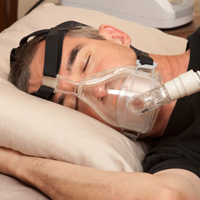
 OSA requires proper diagnosis and management. This ailment often goes untreated, despite being recognized nearly 50 years ago.
With a 9% incidence rate among the female Caucasian population of the United States and 24% in the male Caucasian population, more than 80% of those affected by OSA are believed to be undiagnosed, or untreated even if they are.
So what does obstructive sleep apnea have to do with proper eye care? Continue reading “Obstructive Sleep Apnea (OSA) and Eye Disease Including Glaucoma”

 A recent study linking cholesterol and macular degeneration may shed light on a highly significant problem caused by aging and potentially illuminates hope for a treatment or perhaps even a cure.

 A study involving more than 2000 participants in Australia has shown an association between regular aspirin use and wet age-related macular degeneration (ARMD). The prospective analysis study involved four examinations over 15 years (1992-1994 to 2007-2009). Subjects filled in a questionnaire at the beginning of the study that recorded aspirin usage, heart disease and risk factors for ARMD. A retinal photograph was taken at each examination to determine whether subjects had wet (neovascular) ARMD and dry (geographic atrophy) ARMD.
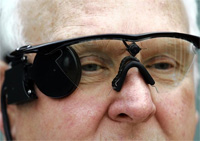 The first implanted device for adults with retinitis pigmentosa has been approved by the U.S. Food and Drug Administration. Called the Argus II Retinal Prosthesis System, the device includes a tiny video camera, a transmitter (on a pair of glasses), and a video processing unit. The patient’s retina is replaced with a prosthesis. The camera wirelessly transmits visual information to the retinal prosthesis to improve vision.
 A fruit cup of mixed berries is a powerful snack: deeply colored fruits are filled with flavonoids and other antioxidants that help protect the body from disease. Antioxidants help prevent free-radical damage, which is believed to be responsible for the onset of eye diseases such as
 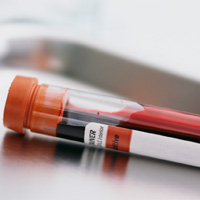 Elevated levels of high-sensitivity C-reactive protein (hsCRP) has been correlated with an increased future risk of Age-Related Macular Degeneration (ARMD). This breakthrough study may help identify underlying reasons for the development of ARMD. It may also assist with the development of a test to predict who is most at risk of macular degeneration, and give the patient and doctor time to head off the development of this sight-stealing disease.
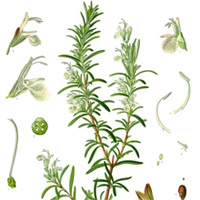 A chemical that occurs naturally in the common herb rosemary has been found to protect the eye from macular degeneration and other eye diseases. This study, published in Investigative Ophthalmology and Visual Science, is one of many recent investigations into the anti-inflammatory and antioxidant effects of the active ingredients in medicinal herbs. The compound in Rosemary is called “carnosic acid.”