
 Age-Related Macular Denegation is a significant cause of vision loss that can often be managed and even improved through targeted nutritional support. It affects mostly people over age 50. While the precise cause of ARMD is not clear, oxidative damage is suspected as being a major factor. It strikes the elderly possibly due to poor diet and nutritional intake over a lifetime, less efficient absorption of nutrients and poor circulation as the body ages. The care needed by vision-impaired elderly could become overwhelming. Let’s take a look at some of the newest research in preventing macular degeneration, as well as treatment and support options.
Symptoms & Diagnosis
Central vision is possible because of the macula. It is a small, yellow-colored Continue reading “AMD Research: Part 1”
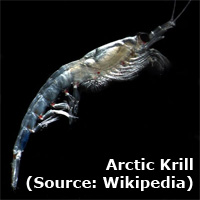 Age-related macular degeneration is a serious and common eye ailment in the aging population, but an Italian study showed that taking just 4mg of astaxanthin per day mitigated the symptoms.
 As people age, eye diseases and conditions that commonly occur include macular degeneration, cataracts, vitreous tears/retinal tears and detachments, glaucoma, diabetic retinopathy, dry eyes, and eye floaters.
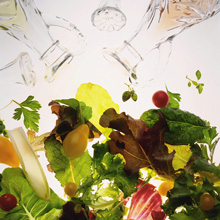 A new study demonstrated that adding oil or fats to your salads and vegetables increases the body’s ability to absorb vision-boosting lutein, lycopene, beta-carotene, zeaxanthin and other carotenoids. Carotenoids are a family of nutrients that absorb blue light. They are naturally colored in the yellows and reds on the light spectrum.
 The macular pigment of the eye is formed by a combination of lutein and zeaxanthin. Lutein is more than just a filter of blue light and an antioxidant. Consider these points about lutein: