
Th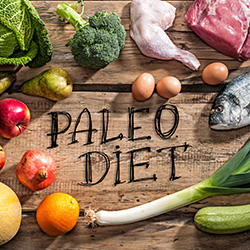 e Paleo Diet or “Caveman Diet” is trendy, but what effect could it have on the eyes? The idea is to eat like hunter-gatherers in the Stone Age. These early humans had no agriculture–and no processed foods. Nearly devoid of grains and dairy products, this diet focuses on meat, fruit, nuts, seeds, and vegetables. Continue reading “The Paleo Diet and Eye Health”
Category: Vitamin D
AMD Research: Part 1
 Age-Related Macular Denegation is a significant cause of vision loss that can often be managed and even improved through targeted nutritional support. It affects mostly people over age 50. While the precise cause of ARMD is not clear, oxidative damage is suspected as being a major factor. It strikes the elderly possibly due to poor diet and nutritional intake over a lifetime, less efficient absorption of nutrients and poor circulation as the body ages. The care needed by vision-impaired elderly could become overwhelming. Let’s take a look at some of the newest research in preventing macular degeneration, as well as treatment and support options.
Symptoms & Diagnosis
Central vision is possible because of the macula. It is a small, yellow-colored Continue reading “AMD Research: Part 1”
Genetic Variant and Vitamin D Deficiency Linked to Macular Degeneration
 Women with specific genes may be more likely to develop age-related macular degeneration (AMD) if they are deficient in Vitamin D, according to new research in JAMA Ophthalmology.
The genetic variant (Y402H) studied is the complement factor H gene, called CFH for short. The genes in question are related to the immune system. The development of macular degeneration is believed to involve inflammation. In AMD, drusen, lipids (fats) and proteins build up in the eye. The body perceives the drusen to be an invader and attacks it. The genes appear to cause a stronger immune response. Continue reading “Genetic Variant and Vitamin D Deficiency Linked to Macular Degeneration”
How to Gain Optimal Vitamin D Levels from the Sun
 Vitamin D is responsible for overall immune system health as well as vastly reducing the risk of numerous chronic diseases and cancers. The best way to receive vitamin D3 is through the sun, but it is essential to achieve a fine balance between healthy exposure and overexposure.
UVB rays from the sun present an unusual contradiction. They are the wavelength that can quickly cause sunburn on the surface of the skin, but they are also essential to vitamin D production. The body requires sun exposure to convert a cholesterol derivative into vitamin D3.
In order to gain safe and adequate exposure to UVB, a Continue reading “How to Gain Optimal Vitamin D Levels from the Sun”
Vitamin D Protects Against Bloodstream Infection
 In a recent study, hospital patients with higher levels of the vitamin were less likely to develop hospital-acquired bloodstream infection (HABSI).
This protective effect of vitamin D is an important finding. Boston researchers collected data from 2,135 patients of Boston hospitals from 1993 to 2010. The men and women had vitamin D levels measured before admission to the hospital. 48 hours after admission, their blood samples were Continue reading “Vitamin D Protects Against Bloodstream Infection”
Reduced Vitamin D Levels and Flu Outbreaks
 Diminished vitamin D levels may be linked to the spread of the flu. Research found that nonpandemic influenzas occur primarily in temperate regions and in winter when the skin’s vitamin D formation due to sun exposure is low. Influenza seasonality is seldom observed in tropical regions.
Although an initial pandemic can start in any season, secondary waves often occur in autumn or winter, and can be more serious. The increased lethality of secondary winter waves can also be explained by decreased vitamin D levels.
Continue reading “Reduced Vitamin D Levels and Flu Outbreaks”
Vitamin D, Curcumin, Soy & Resveratrol Fight Cancer
 Vitamin D
A recent study in the Proceedings of the National Academy of Sciences found that Vitamin D may have cancer-fighting properties. At the same time, ironically, Vitamin D deficiency is becoming increasing prevalent in the United States due to fear of the harmful effects of sun and poor nutrition.
Excessive sun exposure is a leading cause of skin cancer and cataracts in the eyes. As people slap on sunscreen and cover up to protect themselves from ultra-violet rays, they may be inadvertently missing out on an important nutrient.
Continue reading “Vitamin D, Curcumin, Soy & Resveratrol Fight Cancer”
Macular Degeneration Twins Study Results

A diet that includes vitamin D, betaine and methionine can help to lower your risk of developing macular degeneration (AMD). A study of identical twins conducted by the Tuft Medical Center also supports the assertion that smoking increases one’s chance of getting AMD.
AMD tends to run in families, and this opportunity to look at twins who exhibit different stages of the disease allowed researchers to zero in on how diet and lifestyle habits affected the condition’s progression.
According to the source of this story, Science Daily, Vitamin D, which is added to many milk products, may reduce the risk of AMD because it has anti-inflammatory properties. Betaine (contained in fish, grains, and spinach) and methionine (found in poultry, fish, and dairy products) both seem to work at the DNA level to slow the progression of the disease.
This study was published in the July 1 issue of Ophthalmology.
Vitamin D Linked to Lower Macular Degeneration Risk
Women under 75 | Annual Survey | Vitamin D3 | D Sources
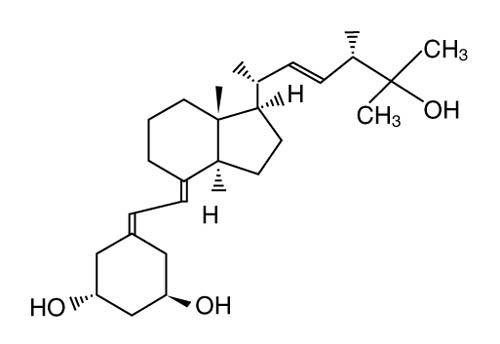
Vitamin D – and the fact that so many people are deficient in this vital compound – has been in the news a lot lately. A lack of vitamin D has been linked to asthma in children, the development of cancers, cognitive impairment, and increased risk of cardiovascular diseases.
Vitamin D impacts the health of the eyes as well.
A number of studies show that low vitamin D3 levels correspond to an increase in the incidence of age related macular degeneration.
Editor’s Note: Vitamin D3 is one of the super nutrients that should be part of everyone’s diet, and should be added as a supplement particularly for people who do not get much exposure daily to the sun. Vitamin D3 has also been tied to helping prevent cancer, improve immune function and bone health, regulate insulin and blood pressure, and more. (Researchers: Parekh N, et al.)
Women Under 75 & Vitamin D
A new study published in The Archives of Ophthalmology finds that women under age 75 can reduce their risk of developing age-related macular degeneration (AMD) by increasing their intake of vitamin D. A study of over 1300 women found that eating foods rich in vitamin D and taking dietary supplements, but not necessarily time spent in direct sunlight (often considered the best way to get vitamin D), was linked to decreased chances of AMD. Compared to those who consumed the least vitamin D, those who consumed the most vitamin D were 59% less likely to show signs of AMD.
Those consuming the highest amount (on average about 600 IU) daily had a 59% lower risk of AMD compared to those getting the least amount of 300 IU on average.
Ref: Millen AE, et al. Vitamin D status and early age-related macular degeneration in postmenopausal women. Arch Ophthalmol 129:481-89, 2011.
Note: Research shows that the destructive effects of inflammation on the retina’s blood supply (choroid) and the pigment-containing cells of the retina may play a major role in the development of macular degeneration. Vitamin D may help due to its natural anti-inflammatory properties, as well as strong antioxidant benefits.
Another study shows that high doses of vitamin D may help women under age 75 fight off macular degeneration (AMD).
Because of its abilities to fight inflammation and support immune health, vitamin D may help suppress the cascade of destructive inflammation that happens during the early stages of AMD.
Women between age 50 and 79 in the Carotenoids in Age-Related Eye Disease Study were evaluated to determine protective effects of vitamin D intake in the forms of food, nutritional supplements, and sunlight. Taking vitamin D in supplement form proved to be more helpful in preventing the onset of macular degeneration than exposure to sunlight. Source: OSN Supersite
This study substantiates two earlier studies:
Annual National Survey
Researchers using data from the Third National Health and Nutrition Examination Survey (1988 through 1994) have found evidence that consuming vitamin D may help ward off age-related macular degeneration (AMD).
In this study, 7752 individuals (including 11% with AMD) were given retinal photographs, dietary intake questionnaires, and blood tests to calculate blood vitamin D (25-hydroxyvitamin D) levels. Based on these vitamin D blood levels, participants were divided into 5 groups. Participants in the group with the highest vitamin D levels showed 40% lower risk of developing early AMD than those in the lowest group.
Analysis was also conducted to evaluate associations with important food and supplemental sources of vitamin D.
- People who drank milk daily decreased their risk of developing AMD, as did those who took supplemental vitamin D consistently but didn’t drink milk daily.
- Fish consumption was also linked with a lower risk of advanced AMD.
Vitamin D3 Levels
A 2007 study showed the low levels of Vitamin D3 is linked to an increase in the prevalence of macular degeneration.
Source: Parekh N, Chappell RJ, Millen AE, Albert DM, Mares JA. Association Between Vitamin D and Age-Related Macular Degeneration in the Third National Health and Nutrition Examination Survey, 1988 Through 1994. Arch Ophthalmol. May 2007;125: 661-669.
Vitamin D Sources
What are good sources of vitamin D? Consider fish — it’s naturally rich in vitamin D. Milk and breakfast cereals are generally fortified with vitamin D as well. If you are taking supplemental D, vitamin D3 is the most readily absorbable form of D.
Silicon in Bottled Water Can Help Women With Osteoporosis
Scientists interested in counteracting osteoporosis and decreases in bone density are researching how the silicon found in bottled water from artesian wells can help postmenopausal women with low bone mass. Silicon is required in trace amounts for normal bone formation.
This study, published in Nutrition Journal, shows that drinking such water from artesian aquifers is a good source of silicon. The trials only lasted 12 weeks, not enough time to show changes in the subjects’ bone markers, but researchers are optimistic and believe that further study is warranted.
Because standard treatments such as bisphosphonate drugs and hormone replacement therapy have been associated with osteonecrosis (bone death caused by decreased blood supply) or increased cardiovascular risk, it is important to find new options for women that have fewer debilitating and life threatening side effects.
There are many other compounds that can help combat osteoporosis including magnesium, vitamin D, and copper.
Source: Nutrition Journal