Glaucoma Associated with Metabolic Syndrome

image via www.nih.gov

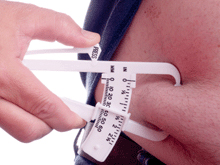
Don’t just take it from us that glaucoma risk increases in those who have diabetes, high blood pressure, and who are overweight.  Researchers publishing in the journal Ophthalmology have found that these conditions, which together are labeled “metabolic syndrome” are all linked to the development of open-angle glaucoma.

A staggering 20% of people in America are said to have metabolic syndrome.  Both metabolic syndrome and glaucoma are associated with aging, so, as the US population gets older, scientists believe that both conditions with become more prevalent.

This study included over two million adults over age 40.  The study authors analyzed the results from the subjects’ eye care records to discover the correlations between metabolic syndrome and glaucoma.  According to this story’s source, PCON Supersite, “Raw data showed that 1,576,993 subjects had at least one metabolic disease; 55,090 subjects had OAG.”

PCON Supersite goes on: “Adjusted data showed that subjects with diabetes alone had a 35% increased risk of developing OAG, and those with hypertension alone had a 17% increased risk. Those with diabetes and hypertension combined had a 48% risk. Those with hyperlipidemia alone had a 5% decreased risk. Obese subjects had a 14% increased risk.”

Learn more about your glaucoma risk factors.

 

Antioxidants & L-Arginine Help Pregnant Mothers with Pre-Eclampsia


Pregnant woman
image via www.nationalchildrensstudy.gov

Antioxidants have been found to successfully treat yet another medical condition: pre-eclampsia, a condition experienced by 5% of pregnant women that is marked by abnormally high blood pressure.


According to a study published in the British Medical Journal, taking a dietary supplement containing an amino acid and antioxidant vitamins significantly reduced pregnant women’s chances of developing pre-eclampsia.

A trial involving 228 women at high risk of pre-eclampsia were given either a food bar containing the amino acid L-arginine and antioxidant vitamins or a bar containing only vitamins or a placebo food bar.  Results showed that only 12.7% of women taking the amino acid-antioxidant supplements developed pre-eclampsia.  This was compared to 22.5% who received antioxidants and 30.2% who received the placebo.

Researchers are now wondering how L-arginine and antioxidants work together and whether there are any contraindications to this natural therapy.

Source: Science Daily

Glaucoma Linked to Sleep Apnea and Circulatory Issues

Glaucoma
Image via va.gov

A holistic perspective on health means that we recognize the interrelated nature of the body’s systems. It also means that we understand the connection between the eyes and seemingly unrelated conditions like sleep apnea and circulatory problems.

People who have sleep apnea are 75% more likely to have glaucoma than those without sleep conditions.

Glaucoma is a disease that has a lot to do with blood flow.  According to an interview with professor of optometry at the University of Alabama at Birmingham, Dr. Leo Semes, people who have peripheral vascular deregulation (often signaled by chronically cold hands) might mean people are more likely to develop glaucoma.

Source: Modern Medicine

Dr. Semes also cautions people about using beta blockers (drugs often prescribed for high blood pressure or to previous heart attack victims) because “Low blood pressure at night, coupled with high IOP in the supine position, can compromise ocular perfusion pressure.”  Several population-based studies have suggested that low diastolic perfusion pressure is associated with an increased incidence of open-angle glaucoma (OAG).  For information on drugs that can harm the eyes, have a look at this page.

For more research studies on glaucoma and its connection to other physical conditions, please visit our website.

Napping Can Reduce Stress and Improve Heart Health

Nappint - heart diseaseStress is linked to a host of health problems including hypertension and the onset of glaucoma.  At Natural Eye Care we recommend that people concerned about their eye health and their overall health do whatever they can to reduce their stress levels including practicing yoga or tai chi, taking up a regular meditation practice, and taking walks in nature.

A new study in International Journal of Behavioral Medicine describes how a daily nap of at least 45 minutes reduces stress and helps lower blood pressure and promotes heart health.

Research involved 85 healthy college students.  Those who napped had significantly lower blood pressure than those did not sleep during the day. Source: www.healthfinder.gov

For more research on how to manage high blood pressure with integrative health approaches, visit our website.


Blood Pressure Medication Administered After Stroke Can Harm Patients

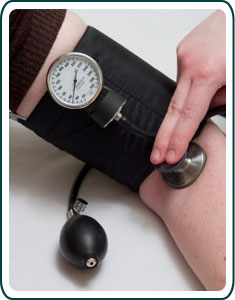
blood pressure cuffBlood pressure medicines and stroke victims don’t mix, says a new study out of Norway.

The study, published in The Lancet, describes how the administration of blood pressure medication to people who have just had a stroke who also have high blood pressure will offer them no benefit and may even be harmful.

Researchers say that stroke victims should not be given anti-hypertensive medications during the week after a stroke.  In some stroke patients the drugs had no effect; in others there were actually negative outcomes associated with the blood pressure medications.  This study indicates that doctors should stick to current guidelines and abstain from trying to lower stroke patients’ blood pressure.  Source: https://www.healthfinder.gov/news/newsstory.aspx?docID=649806

People who have high blood pressure are 4 to 6 times more likely to have a stroke.  Learn more about how to lower blood pressure naturally – before you have to worry about whether you can lower it post-stroke.

Also, visit our website to learn about the negative side effects of commonly prescribed pharmaceuticals.

Mercury in Fish Can Increase Blood Pressure: Find Omegas in Other Sources for Heart and Eye Health

Your new year’s resolutions may well include eating better, both for the health of your heart and the health of your eyes.  The essential fatty acids found in fish can be a great addition to your diet.

In particular, omega-3 fatty acids help to reduce cholesterol and increase circulation to the retina.  Omega-6 fatty acids are important as they protect cells from degenerative changes and reduce inflammation throughout the body. Both Omega 3s and 6s help prevent and even treat glaucoma and macular degeneration.

ocean
image via noaa.gov

A word of caution about your fish intake the effect of mercury which contaminates the larger ocean predator fish (tuna, swordfish, marlin, sharks, etc): too much mercury in the body can raise your blood pressure.

Source: theheart.org/article/1010897.doc

Small fish like sardines are a safe choice, but there are non-swimming sources of essential fatty acids out there too.  Find omega-3s in flax seed oil, black current oil, walnuts and walnut oils, dark leafy vegetables, eggs (preferably from free range chickens), spices (including mustard, fennel, cumin, and fenugreek).  Get your omega-6s from evening primrose, borage and black currant oils.


Learn more about food sources of nutrients and how they can benefit your eyes and your whole body.

Snoring and Insomnia Can Lead to Metabolic Syndrome

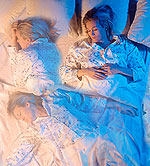
trying to sleep
image via nlm.nih.gov

Snoring and insomnia are often seen as nuisances, either to the person who just cannot fall asleep or to the partner who has to listen to all that racket.  They may be real cause for concern, however.

New research finds that both snoring and insomnia can predict one’s likelihood of developing metabolic syndrome.  Snoring and insomnia may even cause metabolic syndrome.  As described in this story’s source, the LA Times’s “Booster Shots” column, “Metabolic syndrome is a constellation of risk factors — excess abdominal fat, high triglycerides, high blood sugar, low HDL cholesterol and high blood pressure — that increase the risk of diabetes, heart disease and stroke.”

University of Pittsburgh researchers publishing in the journal Sleep found that those with insomnia are 80% more likely to develop metabolic syndrome.  People who snore loudly were twice as likely to develop the condition.

The Vision Diet is not only beneficial to the eyes, but it will also improve your overall health; visit our site for details.

Risk of Retinopathy is Significant Even In Non-Diabetics

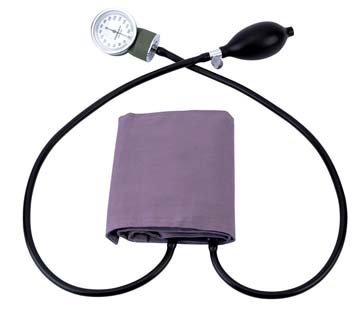
blood pressure cuff
image via blog.usa.gov

Retinopathy (damage to the blood vessels of the light-sensitive tissue at the back of the eye) is most commonly associated with diabetes, but a new study shows that 1 in 8 people without diabetes show signs of retinopathy.

The study, published in Ophthalmology describes how retinopathy is linked to hypertension, smoking, and carotid artery disease – all common risk factors for the development of cardiovascular disease.

One study author states that “controlling blood pressure and vascular risk factors may reverse retinopathy.”  Researchers hope that their findings will help health practitioners and patients become more aware of the risk of retinopathy in those who do not show signs of diabetes.

Source: Medscape

Learn more about controlling blood pressure naturally.

Blueberries Reduce Blood Pressure and Improve Eye Health

blueberries
image via USDA

A new study of rats has found that daily intake of blueberries helps reduce blood pressure in hypertensive animals.  The study, published in the Journal of Agricultural and Food Chemistry is unique in that they studied the results of eating the berry itself, not isolated compounds derived from the fruit. Source: https://mobile.nutraingredients-usa.com/Research/Blueberries-linked-to-improved-blood-vessel-health-Rat-study.

Blueberries, and their cousins bilberries and huckleberries have been found to help those with retinitis pigmentosa and diabetic retinopathy.


4 Conditions That Can Contribute to Glaucoma

Hypothyroidism

A study of 600 men with recent a diagnosis of glaucoma were shown to be twice as likely to have hypothyroidism than a similar portion of the population without the eye disease.  Researchers at the Veterans Affairs Medical Center, in Birmingham, Alabama assert that there seems to be a convincing correlation be correlation between glaucoma and an under-active thyroid.

When this study was published the authors were not ready to state whether thyroid replacement therapy would help fend off glaucoma.

We recommend considering natural approaches to the treatment of hypothyroidism including iodine supplementation and limiting exposure to lead and other chemicals.

Source: scienceblog.com

Hypertension
Researchers tie blood pressure and ocular perfusion pressure to glaucoma

Although intraocular pressure (IOP) is considered a primary risk factor for the development of glaucoma, there is evidence to suggest that glaucoma may continue to progress despite lowering patients’ IOP to targeted levels.

Several recent studies point to vascular risk factors in the development of glaucoma. This new research indicates that blood pressure (BP) and ocular perfusion pressure have become increasingly important in understanding and treating glaucoma.

Although doctors cannot currently visualize ocular blood flow directly, they can easily measure glaucoma patients’ BP and IOP to calculate their ocular perfusion pressure and quantify the vascular changes.

An article published in the British Journal of Ophthalmology explores the relationships between BP and IOP, BP and glaucoma, and perfusion pressure and glaucoma. Study authors suggest that ocular perfusion pressure and its fluctuation may be parameters that need to be measured in the treatment of glaucoma patients.

Learn more about glaucoma, including self-help tips

SOURCE: Blood Pressure and Glaucoma, Costa, et al, Br J Ophthalmol, 30 March 2009, doi:10.1136/bjo.2008.149047.

Thyroid Link
Researchers at the University of Alabama at Birmingham believe that thyroid disorders may increase the risk of glaucoma. Their study, published in the British Journal of Ophthalmology, reviewed data from the 2002 National Health Interview Survey to quantify the association between a self-reported diagnosis of glaucoma and a self-reported history of thyroid problems.

Of the 12,376 survey participants, 4.6% reported glaucoma, and 11.9% reported a history of thyroid problems. The prevalence of glaucoma among those who reported thyroid problems was 6.5% compared with 4.4% among those who did not report thyroid problems. This association between glaucoma and thyroid problems remained after adjusting for differences in age, gender, race and smoking status.

The results of this study lend support to the hypothesis that thyroid disorders may increase the risk of glaucoma. Although further research on the topic is expected, study authors suspect that hypothyroidism may diminish outflow in the eye.

SOURCE: The association between thyroid problems and glaucoma, Cross, et al, British Journal of Ophthalmology 2008;92:1503-1505.

Herpes Virus
Three of the eight strains of the herpes virus can cause vision loss, including varicella zoster virus (VZV), which causes chickenpox and also shingles, and herpes simplex virus-1 and -2 (HSV-1 and HSV-2). Shingles, which can affect older adults who have had chickenpox earlier in their lives, is marked by a rash that wraps around one side of the body, generally on the face or trunk. When the rash appears on the face it can affect the corneal tissue and this can lead to keratitis (inflammation and scarring of the cornea), inflammation of the retina or optic nerve, glaucoma, or cataracts, any of which may also result in blurred vision or blindness.

Both HSV-1 (transferred through saliva) and HSV-2 (genital) can cause ocular herpes, a recurrent infection, and the most common cause of corneal blindness in the United States. Once people develop ocular herpes, they have a 50% chance of recurrence within weeks or years, possibly triggered by fever, stress, sunlight, or eye injury. Approximately 400,000 Americans have ocular herpes, with 50,000 new or recurring cases every year. In 12% of cases, both eyes are affected.

Source: https://www.johnshopkinshealthalerts.com/reports/vision/1538-1.html