
 While Americans spend billions of dollars each year on how they LOOK, little attention is given to how they SEE. Seniors are especially vulnerable to eye diseases such as glaucoma, age-related macular degeneration, and cataracts, as well as hypertension-related eye damage such as retinal vein occlusion.
The American Academy of Ophthalmology issued guidelines on aging and the eye as a result of its 2015 Eye-Q© Survey[1. American Academy of Ophthalmology https://www.prnewswire.com/news-releases/remember-your-eyes-when-it-comes-to-fighting-the-signs-of-aging-300138352.html] (updated with 2016 data).
Here is a summary of their recommendations.
Continue reading “Age-Proofing Your Eyes to Preserve Vision”
 Lifestyle can have a significant impact on the progression of glaucoma. Patients should follow their ophthalmologist’s advice. Also, research has shown that certain behavioral changes can help preserve vision. Natural Eye Care offers these tips.
 Middle-aged people and seniors are far more likely to develop Macular Degeneration, glaucoma, cataracts and diabetic retinopathy than those in their youth. It is true that some eye diseases strike the young. These tend to be genetically-based diseases, and they are rare. The incidence of eye diseases in the United States goes up dramatically with age:
  Retinal Vein Occlusion is the blockage of veins that drain blood from the retina in the eye. The eye circulatory system depends on releasing blood back to the heart after it has nourished the retina. When the vein is blocked, hemorrhaging occurs, damaging the retina. It is typically caused by atherosclerosis, a common condition especially in older people that damages the arteries. “Occlusion” means the blockage or closing of a blood vessel.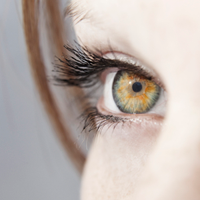
 Do you have high blood pressure or hypertension? If so, take a look at these foods you should avoid due to their high sodium content. The upper limit of sodium per day is 2300 mg (1 teaspoon). Too much sodium does direct damage to the heart and arteries and raises blood pressure significantly.
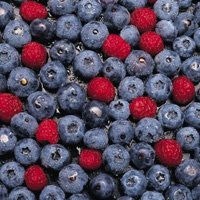 A fruit cup of mixed berries is a powerful snack: deeply colored fruits are filled with flavonoids and other antioxidants that help protect the body from disease. Antioxidants help prevent free-radical damage, which is believed to be responsible for the onset of eye diseases such as
 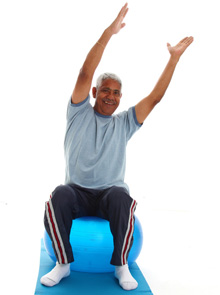 When you are in your 30’s, your skeletal muscle mass will peak. After that, they will reduce slightly in number and size every year. By the time you are in your 50’s, 15% of muscle mass may be lost, and by your 80’s, as much as 30% of muscle mass may be lost.
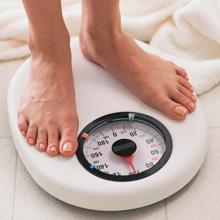 Did you over-indulge in too many high-calorie foods over the holidays? Put on a few extra pounds? Two-thirds of American adults are overweight or obese, and a few extra pounds add up to health risks. However, drinking green tea may help fight body fat and also lower cholesterol levels.