Vitamin C Is a Potential Cancer Fighter

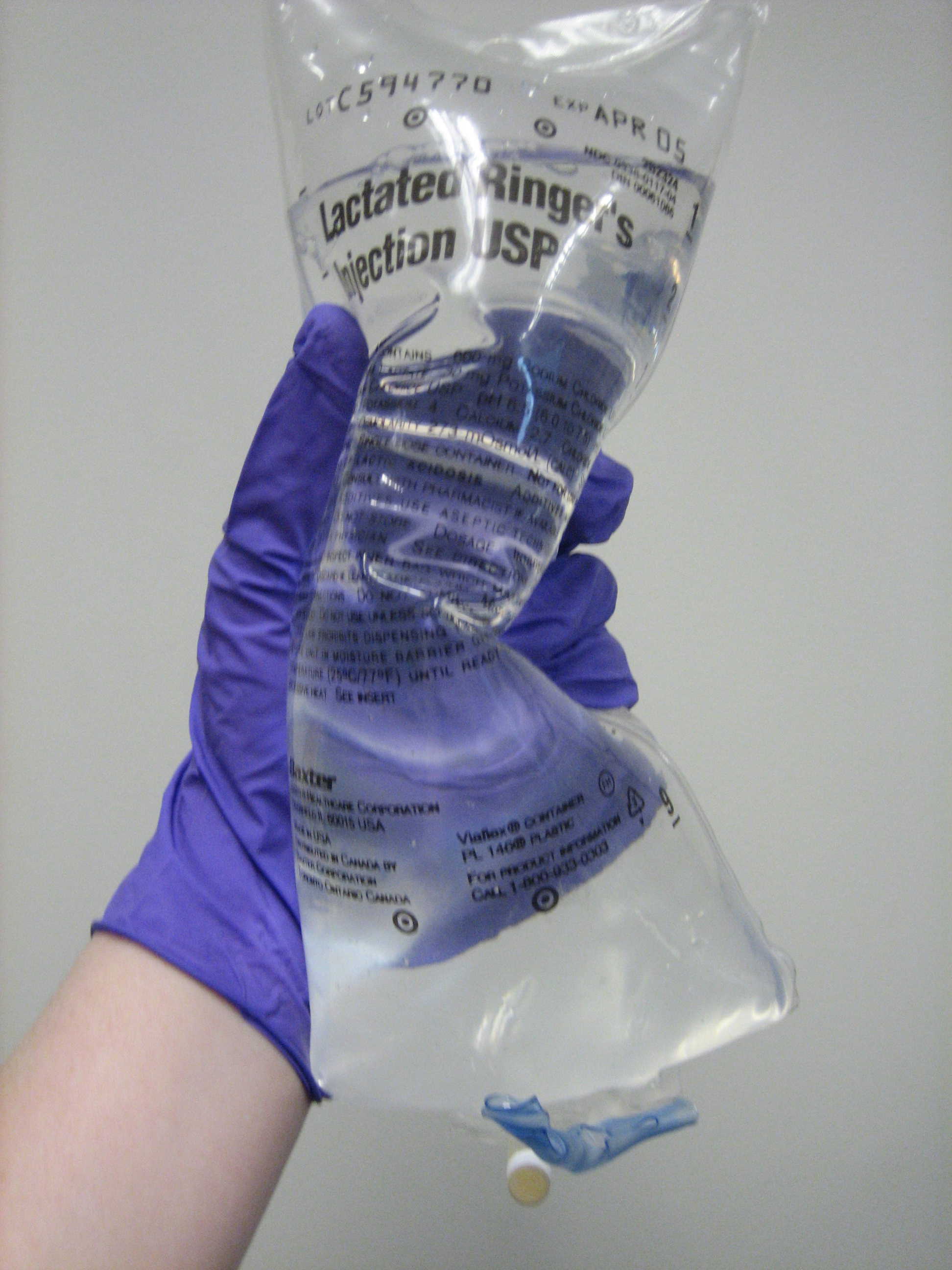
intravenous drip bag
Image via NASA

Vitamin C, given to patients intravenously, could be an effective way to fight cancer.

A study, published in the Journal of Translational Medicine, is based on the assertion that doses of vitamin C could help cancer patients who suffer from wasting (cachexia), immune system deficiencies, and compromised quality of life.  This particular article pulled together the findings from 246 previous studies.

The study sought to include perspectives from the alternative health community that has asserted the benefits of vitamin C as a cancer fighter as well the allopathic medical community that has, in part, agreed that vitamin C could be helpful to cancer patients.

In the past, studies have differed on vitamin C’s effectiveness, but it seems the determining factor in vitamin C’s cancer fighting abilities is in taking it intravenously rather than in pill form.  Source: Medical News Today
 

Garlic, Ginger, Turmeric All Help Regulate Diabetes

Diabetes & Spices
Image via doh.sd.gov

Another major study describes how some of the spices in your kitchen can help treat diabetes.

Garlic, ginger, and turmeric were found to have positive effects on diabetic rats.  The study, published in the British Journal of Nutrition (2011), 105: 1210-1217, finds that ingesting these common spices helped the animals who suffered from metabolic syndrome and helped modulate oxidative stress levels.

Rats who took the spices in powder form mixed with water for 28 days showed a 80-97% reduction in metabolic syndrome symptoms.  The animals’ insulin production increased by 26-37% and their antioxidant defense systems were boosted by up to 52%.

Of the three spices tested, garlic seemed to have the most profound impact on reducing the risks associated with metabolic syndrome and related cardiovascular problems.

Source: https://journals.cambridge.org

Important Note: Before taking turmeric supplements check with your doctor if you are taking a blood thinner.  While adding a bit of turmeric to your cooking is usually ok, more concentrated forms have a lot of punch.  Curcumin, the active ingredient of turmeric is a blood thinner.

Eye Exam Could Detect Diabetic Neuropathy

Importance of Eye Exams

Your eye doctor can help to detect whether you have diabetes.

When an optometrist dilates your eyes prior to an eye exam it makes it easier for her to look at the condition of your retina.  She can look for and readily detect early signs of diabetic retinopathy that indicate that you have diabetes.  Such signs include leaking blood vessels in the retina, swelling of the retina and deposits on the retina.   The retina is the only part of the body where blood vessels can be observed without looking through the skin.  This window into the state of your heath is a wonderful early detection system.

Source: Dr. Randy Steele, Journal Enterprise, Kentucky

Corneal Confocal Microscopy

For people who have diabetes, an eye exam may not only reveal signs that the patient has the eye condition diabetic retinopathy.  A doctor may also be able to tell if someone has diabetic neuropathy in other parts of the body.

Research demonstrates that a corneal confocal microscope (a special microscope that produces imaging of the living cornea, rather than looking at samples of tissue taken from the patient) that can look at the shape and condition and functioning capacity of the nerve fibers in the cornea.  This tool can help doctors determine whether a patient has diabetic neuropathy and if so, how serious it is.

Source: Virtual Medical Centre

Eye Health: Overall Health

The eyes are the windows not only of the soul, but of the body as well.  The health of your eyes reflects the health of your whole being.

Others in the medical community agree with us.  At the 25th Asia-Pacific Academy of Ophthalmology Congress Tien Yin Wong, MD gave a lecture titled: “An Eye Examination Can Save Your Life!”   He discussed the way that changes in the blood vessels of the retina can indicate potential problems in the  cardiovascular and metabolic systems.

An eye doctor who is considering your overall health can potentially see signs of stroke, heart disease, or diabeteshypertension, or kidney disease during your exam.


Depression Increases Arthritis Pain

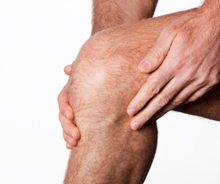
knee
Image via NIH.gov

There is more evidence supporting the power of the mind-body connection.

A new study finds that depression can cause an increase in the pain associated with arthritis of the knee.

A study in South Korea of 660 men and women over age 65 suffering from osteoarthritis of the knees were evaluated using X-rays.  They were also screened for depression.  Those with joint damage were more likely to report high levels of pain, which one would expect.  Researchers also discovered, however, that people with depression who seemed to have mild cases of arthritis based on the X-rays had much higher levels of reported pain.

Study author Dr. Tae Kyun Kim says “The relationship between pain and depression suggests that both should be considered by physicians when treating patients with knee osteoarthritis, particularly in those with X-rays not indicating severe damage to the joint.”

The study appeared in Journal of Bone and Joint Surgery. Source: https://www.healthfinder.gov

Learn more about natural treatment options for osteoarthritis at our website.


Whole Grains, Fiber Help Women Control Diabetes

whole grain
Image via womenshealth.gov

Whole Grains

Women with diabetes can cut their risk of death from a heart attack by eating more whole grains.

A study published in the journal Circulation discusses how women who are a diet rich in whole grains and wheat bran were 16-31% less likely to die over a 26 year period compared to women who did not eat those foods.   When researchers considered mortality risks specifically associated with cardiovascular problems, those who ate a whole-grain and bran healthy diet were 28-35% less likely to die of heart related causes during the study’s duration.

Source: Food Consumer

Fiber

A new study indicated that people with diabetes who take psyllium fiber supplements paired with a low glycemic diet can experience a reduced glycemic risk factors including glycosylated hemoglobin A1c [A1C] or postprandial plasma glucose [PPG] concentrations.  Source: Food Consumer

It can also be important to eat a diet high in fiber. Focus on fruits, vegetables, seeds, oats, and whole-grain products. Note: Diabetics with unrecognized kidney failure could develop serious complications from a high-fiber (and therefore high-potassium) diet.

Learn more about how to help manage diabetes.


Glaucoma Linked to Sleep Apnea and Circulatory Issues

Glaucoma
Image via va.gov

A holistic perspective on health means that we recognize the interrelated nature of the body’s systems. It also means that we understand the connection between the eyes and seemingly unrelated conditions like sleep apnea and circulatory problems.

People who have sleep apnea are 75% more likely to have glaucoma than those without sleep conditions.

Glaucoma is a disease that has a lot to do with blood flow.  According to an interview with professor of optometry at the University of Alabama at Birmingham, Dr. Leo Semes, people who have peripheral vascular deregulation (often signaled by chronically cold hands) might mean people are more likely to develop glaucoma.

Source: Modern Medicine

Dr. Semes also cautions people about using beta blockers (drugs often prescribed for high blood pressure or to previous heart attack victims) because “Low blood pressure at night, coupled with high IOP in the supine position, can compromise ocular perfusion pressure.”  Several population-based studies have suggested that low diastolic perfusion pressure is associated with an increased incidence of open-angle glaucoma (OAG).  For information on drugs that can harm the eyes, have a look at this page.

For more research studies on glaucoma and its connection to other physical conditions, please visit our website.

Beef Recalled in Ten States Due to E. Coli Contamination

ground beef
Image via CDC.gov

Another round of beef recalls due to potential E. coli contamination has made the news today.  Over 14,000 pounds of contaminated ground beef may sit on supermarket shelves in 10 states.

The meat is available under various brand names in Arizona, California, Georgia, Indiana, Iowa, Missouri, North Carolina, Ohio, Pennsylvania, and Washington.

E. coli related infections can cause bloody diarrhea, dehydration, and, in severe cases, kidney failure and most seriously affects the very young, the very old, and those with compromised immune systems.  Source: WebMD

This outbreak may cause you to think about cutting back on the meat you consume and considering the benefits of a vegetarian diet.  Studies show that moving to an exclusively plant based diet can reverse atherosclerosis (hardening of the arteries), a condition that contributes directly to heart attacks.

Since this is the American Dietetic Association’s National Nutrition Month and the focus is on eating well based the color of your foods (and that means red fruits and veggies, not red meat), why not have a look at their site and think about enhancing your dietary palette (and palate!).

Learn more about how to prevent and treat atherosclerosis naturally.


Americans Less Healthy Than British Peers, Diabetes, Weight

Overall Health

Americans of all ages are less healthy than people in Britain, according to an extensive new research project.

A study of health surveys of 40,000 U.S. residents and 70,000 individuals in the U.K. showed that Americans had more chronic diseases than their British counterparts.  Poor health was measured in rates of obesity, elevated cholesterol, heightened inflammation factors, diabetes, and asthma.

Published: MedlinePlus

Diabetes & Diabetic Retinopathy

The figures from the Centers for Disease Control on diabetes are staggering.  The CDC estimates in 2011 that 26 million Americans have diabetes.

Their report also estimates that one in three American adults is pre-diabetic with higher than normal blood sugar levels although not yet diagnosed has having diabetes.  They project that if current trends continue that 1 in 3 American adults could have diabetes by 2050.

Type II diabetes, or adult onset diabetes constitutes 90-95% of all diabetes incidences. The risk factors for the condition are aging, being over-weight, leading a sedentary lifestyle, as well as genetic factors.  Patients with a family history of diabetes and African-Americans, American Indians, Hispanics, Alaska Native Americans, and some Asian Americans are vulnerable.

Of these patients at risk for developing diabetes, 1/4 of those over 40 with a diabetes diagnosis develop diabetic retinopathy resulting in badly damaged vision.

Weight & Diabetic Retinopathy

A new study out of the University of Washington tells us that not only does obesity make one more likely to develop diabetes, but gaining weight in your 50s and after age 65 can double your risk of diabetes later in life.  Holding on to belly fat increases the likelihood that a person will develop type 2 diabetes.  The study also indicates that losing weight after the age 65 will not reduce the risk of diabetes in the way that losing weight when you are younger.

See more information on diabetes and treatment options.

Source: CNN

Bladder Cancer Slowed and Destroyed by Mustard Seed

mustard plant
image via www.mda.state.mn.us

Foods really do have the power to fight disease, including cancer.

A study of rats showed that mustard seed powders could successfully stop the growth of cancer and also stop it from spreading.  Supporting the assertion that food has powerful healing potential, it was the food itself that helped these animals, not the purified form of the compound. The cancer in the rats taking mustard seed grew one third slower than the tumors in the rats who did not eat the plant.

Human cancer cells in the laboratory were also neutralized when exposed to the active ingredient in mustard, allyl isothiocyanate.

Study authors did state that all commercially available mustard is not created equally; potency depends on the plant species and the preparation method.

Source: Environment Health News

Learn about how to prevent and treat bladder and urinary tract infections.

Napping Can Reduce Stress and Improve Heart Health

Nappint - heart diseaseStress is linked to a host of health problems including hypertension and the onset of glaucoma.  At Natural Eye Care we recommend that people concerned about their eye health and their overall health do whatever they can to reduce their stress levels including practicing yoga or tai chi, taking up a regular meditation practice, and taking walks in nature.

A new study in International Journal of Behavioral Medicine describes how a daily nap of at least 45 minutes reduces stress and helps lower blood pressure and promotes heart health.

Research involved 85 healthy college students.  Those who napped had significantly lower blood pressure than those did not sleep during the day. Source: www.healthfinder.gov

For more research on how to manage high blood pressure with integrative health approaches, visit our website.