Free Radicals May Help the Heart (But Don’t Toss Your Antioxidants!)

Free Radicals - Heart HealthFree radicals might be a good thing?

At Natural Eye Care, we extol the benefits of antioxidants because they fight the free radicals that lead to oxidation, which in turn cause aging: skin changes such as the appearance wrinkles, and ocular changes, including the development of cataracts and macular degeneration.

Your eyes love antioxidants like those found in bilberry (a close relative to the blueberry) and in high quality supplements.

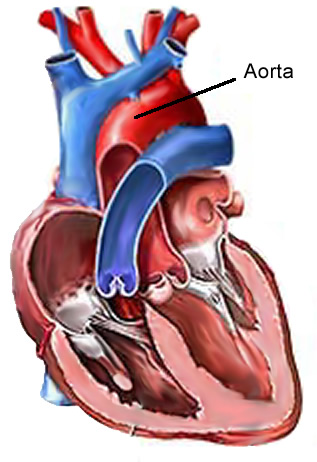
And yet, a new study published in The Journal of Physiology (online 28 February 2011) describes how free radicals are actually essential to the healthy functioning of the heart.

It is true that high levels of free radicals can lead to heart disease, but the heart does need some quantities of free radicals to help it deal with stressful situations.

As described at Medical News Today, when under stress, the nervous system produces what are called beta-adrenergic receptors.  These beta-adrenergic receptors actually produce free radicals not as a negative byproduct of metabolism (as we usually describe the process), but to make the muscles of the heart contract more strongly when necessary.  The heart is then able to pump more blood throughout the body to nourish and sustain us in stressful situations.

This is not to say that you should toss out your antioxidants, but it does remind us that the body is an amazing and complex creation that rarely allows us to use a one-size-fits-all approach to disease or nutrition.
 

Probiotics Can Fight Ulcer-Causing Bacteria

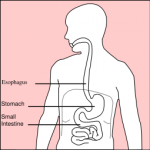
digestive tractIt seems that instead of just counteracting the negative effects of antibiotics, probiotics may actually be better at doing the work that antibiotics are supposed to do.

Because antibiotics kill the good bacteria even as they fight the infection you are trying to control it is commonly suggested that anyone who has to take antibiotics also take probiotics.  Probiotics help build up the good bacteria in the digestive tract destroyed by the antibiotics.

Researchers publishing in Applied and Environmental Microbiology (February 2011, Vol. 77, No. 4) describe how the probiotic bacteria B. bifidum can help treat ulcers and gastritis caused by the H. pylori bacteria. Source: medicalnewstoday.com

Probiotics can be found in foods like yogurt and in supplement form.

Learn more about how to take vitamins to ensure proper absorption and how to maintain good digestion.

Vegans Need Dietary Supplements to Prevent Heart Disease


fruit and veg
Image via NASA

A healthy diet is essential to maintaining your vision.  Plenty of fruits, vegetables, and whole grains are key to the health of the eyes and the body as a whole.  Generally, we do not believe that eating some meat is detrimental to health, but we support the many who people will choose to follow vegetarian and vegan diets.

A new study focuses on how people who follow vegan diets are likely to be deficient in both omega-3 fatty acids and vitamin B12.  They should take supplements of both to ward off heart disease, researchers publishing in the Journal of Agricultural and Food Chemistry. Vegans can potentially run a higher risk of developing blood clots and atherosclerosis (hardening of the arteries), which can lead to heart attacks and stroke.

Historically, medical research indicates that meat eaters are more likely to develop heart disease than vegetarians and vegans, but if people do not eat meat they often have low levels of “good” HDL cholesterol.  Taking omega-3 and vitamin B supplements can help offset this risk.

Source: Nutraingredients


Alzheimer’s Disease Onset Delayed In Bilingual People


Closeup portrait of a smiling elderly woman

Parlez-vous Français?

A new study in the journal Neurology indicates that speaking a second language can help fend off the development of neurological diseases like Alzheimer’s.

Research indicates that those who speak a foreign language are likely to be diagnosed with Alzheimer’s four years later than those who only speak one language.  Brain scans indicated that bilingual people demonstrate superior cognitive function even when they have more advanced brain deterioration when compared to their single language speaking counterparts.  Previous studies have established that speech and language issues are linked to dementia.  Source: https://www.foodconsumer.org/newsite/Non-food/Disease/language_delays_onset_of_dementia_0219110210.html


Certain supplements have been reported to aid in the prevention of Alzheimer’s including acetyl-L-carnitine, antioxidants, and B vitamins.  For an extensive discussion of complementary treatment for Alzheimer’s disease, please visit our website.


Blood Test Can Determine Chance of Developing Diabetic Retinopathy

Diabetes - Blood Test
image via ndep.nih.gov

A blood test may help determine your risk of developing diabetic retinopathy.

A study published in the Archives of Ophthalmology describes how a HbA1c test, which measures the amount of glycated hemoglobin in your blood, can indicate whether individuals with diabetes are likely to develop the sight threatening condition diabetic retinopathy. Researchers reveal that people with unhealthy HbA1c and blood sugar levels run a significantly higher risk of developing diabetic retinopathy within 10 years.

The scientists hope their findings will help doctors spot patients who are most likely to lose their eyesight and make recommendations on how to improve their lifestyle choices to maintain their eye health.

Source: MD Labs

A healthy lifestyle is a cornerstone of our plan for preventing diabetic retinopathy and other eye diseases.

Fish Oil Can Reduce Risk of Breast Cancer As Well As Eye Disease

Taking fish oil every day can reduce the risk of developing breast cancer.

A study published in The Journal of Nutrition studied women with early breast stage breast cancer who took omega fatty acids EPA and DHA in the form of both seafood and dietary supplements.  Women who took the most EPA and DHA were 25% less likely to suffer from further breast cancers compared to those in the study who took markedly less of the omega-3s.  Source: https://jn.nutrition.org/content/141/2/201.short?rss=1

This is great news – and it just adds to the already ample evidence about the benefits of fish oils.  Studies have also shown that omega-3 fatty acids can help ward off macular degeneration, retinitis pigmentosa, and dry eye syndrome, just to name a few.  Visit our research pages to learn more.

Care for Early Breast Cancer

On another positive note, researchers reported  that for women who receive breast cancer treatment, may not require an operation to remove the lymph nodes under the arms.  This is a procedure that often leaves the patient with very swollen and painful arms.  The scientists reported that such surgery did not help survival rates or stop the cancer from recurring.

Another study determined that one dose of radiation directly to the tumor location immediately after breast cancer surgery, was just as effective as weeks of radiation treatments following surgery.

Reported by the New York Times

Blood Pressure Medication Administered After Stroke Can Harm Patients

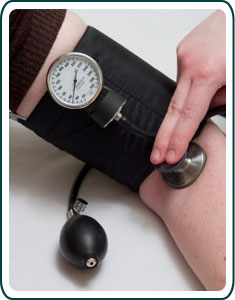
blood pressure cuffBlood pressure medicines and stroke victims don’t mix, says a new study out of Norway.

The study, published in The Lancet, describes how the administration of blood pressure medication to people who have just had a stroke who also have high blood pressure will offer them no benefit and may even be harmful.

Researchers say that stroke victims should not be given anti-hypertensive medications during the week after a stroke.  In some stroke patients the drugs had no effect; in others there were actually negative outcomes associated with the blood pressure medications.  This study indicates that doctors should stick to current guidelines and abstain from trying to lower stroke patients’ blood pressure.  Source: https://www.healthfinder.gov/news/newsstory.aspx?docID=649806

People who have high blood pressure are 4 to 6 times more likely to have a stroke.  Learn more about how to lower blood pressure naturally – before you have to worry about whether you can lower it post-stroke.

Also, visit our website to learn about the negative side effects of commonly prescribed pharmaceuticals.

Fireplaces and Wood Stoves Linked to Dry Eyes and Lung Problems

Do you have a fireplace or a wood stove that helps keep you cozy this winter?  A new study published in the journal Chemical Research in Toxicology describes how indoor air pollution caused by wood smoke have been linked to various lung problems.

Researchers describe how inhaling wood smoke particulate matter has been linked to heart disease, asthma, and bronchitis.  It is likely that the inhaled wood smoke is also carcinogenic.

Source: ScienceBlog.com

Indoor fires can also dry up the air, and dry air has been linked to dry eye syndrome. Be sure to run a humidifier in these dry winter months.  Learn more about how to prevent and treat dry eye symptoms.

Acupuncture Relieves Depression, Allergies, Eye Disease

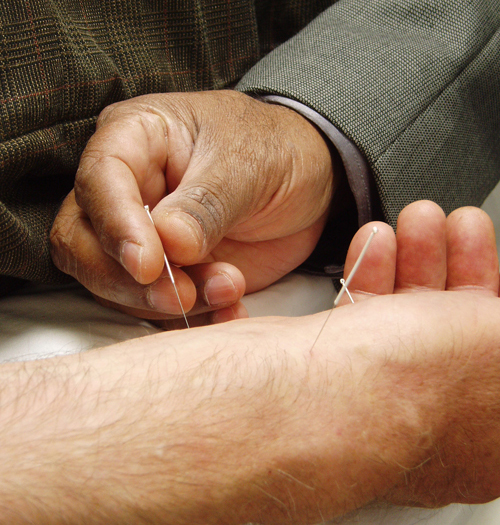
Acupuncture
image by Kyle Hunter

Depression often emerges in post-menopausal women, but a new study out of Norway shows that many women find relief through regular acupuncture sessions.

Previous research found a connection between the occurrence of hot flashes and the emergence of depression, so this study focused on 72 women suffering from sever hot flashes.  At the start of the study 30% reported depression symptoms.  At the end of 12 weeks the rate of participants with depression had fallen to 14%.  Source: https://www.ncbi.nlm.nih.gov/pubmed/21242821

Acupuncture is also known to help relieve allergies.

The topic of eye health and how Chinese Medicine (including acupuncture) can help improve eye health is so rich, we wrote the book on it.

Heart Health Depends on Fruit and Vegetable Consumption: New Study

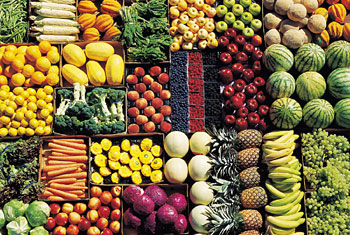
There’s even more science to back up the claim that eating fruits and vegetables will help you fight heart disease.

The European Prospective Investigation into Cancer and Nutrition has published a paper on heart health.  Researchers indicate that those who eat at least 8 servings of fruits and vegetables each day are 22% less likely to die of heart disease.  A “serving” is equal to a small banana, a medium apple, or a small carrot.

One theory is that the antioxidant micronutrients in fruits and veggies reduce the oxidative damage that causes hardening of the arteries or atherosclerosis. At the same time, it is important not just to take antioxidant supplements but to eat the whole food as other compounds in fruits and vegetables also may protect the heart.

Source: TheHeart.org

Learn more about the nutrients available in whole food sources.

Also learn about other ways, besides diet, that you can keep your heart health and avoid atherosclerosis.