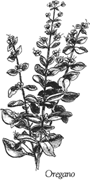
Antioxidant Oregano Oil Fights Bacteria and Even Cancer

oregano
image via nps.gov

Oil of oregano contains compounds that can kill bacteria and even fight cancer causing agents.

Carvacrol found in oregano oil has been found to reduce the formation of cancer causing compounds that form when the temperature of beef is raised in the cooking process.  It turns out that oregano oil has antioxidant properties can stop the creatine in the beef from reacting with other molecules to potentially cause cancer in those who eat it.

Researchers are also studying oregano oil’s anti-microbial properties to see how it can help fight e-coli outbreaks. Source: https://www.lef.org/news/LefDailyNews.htm?NewsID=10562&Section=Nutrition

We believe in the power of oregano oil and sell it in our store.

Blueberries Can Improve Memory and Prevent Eye Disease

A new study of lab rats recently published in the journal Nutrition shows that blueberries can increase memory.

One month of a blueberry rich diet made older rats perform as well as young rats on memory tests and the benefits lasted even after they stopped eating the blueberry diet.

Researchers credit the power of antioxidants with this increase brain performance.
Source: nutraingredients

We also know that antioxidants in blueberries and their cousins the bilberry can help improve and maintain eye health.  Antioxidants can help prevent and treat macular degeneration and cataracts.

Genes NOT the Cause of Many Diseases

double helix
image via cdc.gov

A new study published by The Bioscience Resource Project offers further support to something that we have long shared with our patients and clients: genes are not necessarily the cause of common diseases.

Researchers from around the world came to a similar conclusion: though there are genetic factors that make people susceptible to many diseases, very few are strong enough to be of any importance.  These findings could have an effect on how we look at the development of  heart disease, stroke, cancers, diabetes,  autism, ADHD, dementia,  schizophrenia, and depression.

Study authors are explaining their results in a way that will be very familiar to those who know how we approach health at Natural Eye Care.  Factors like diet and nutrition, lifestyle habits, and stress management all play key factors in the development of disease. Source: lef.org

Learn more about preventing diseases of the eyes and body at our website.

Meditation As Effective As Drugs For Treating Depression

depression
image via womenshealth.gov

A daily meditation practice can be just as effective as taking prescription drugs if you want to prevent a relapse of depression.

A study out of the Centre for Addiction and Mental Health in Canada found that patients who attended mindfulness training and were taught to productively reflect on their feelings were able to avoid taking mediation.  After a year and a half only 38% in the study group had suffered a relapse of depression compared to 46% who took medication.  Source: Livescience.com

Antidepressant medication’s side effects can have negative effects on the eyes.  Click here to learn about how medications can damage the eyes.

Daily meditation is part of the wellness practices that we recommend as part of our Vision Wellness Protocol.

Healthy Lifestyle Prevents Stroke, Cataracts, Macular Degeneration, Glaucoma

Stroke, Cataracts, Macular Degeneration
image via doh.sd.gov

A healthy lifestyle can reduce your risk of stroke by up to 80%.

Research published in the journal Stroke encourages people to exercise regularly, drink alcohol only in moderation, eat plenty of fruits and veggies, control weight, and not smoke in order to avoid stroke.

These guidelines are the same that we recommend when it comes to avoiding vision conditions like cataracts, glaucoma, macular degeneration, and diabetic retinopathy.

Moderate Alcohol Use

There’s another piece of evidence that suggests moderate drinking – one or two alcoholic beverages each day – can be beneficial for the eyes.

A study of over 3,600 Australians found that when the figures were adjusted to account for other factors (including age, smoking, and diabetes), people who had one or two drinks each day were 50% less likely to have cataract surgery.  The moderate drinkers were less likely to require surgery for cataracts than counterparts who drank more as well as those who did not drink at all.

Source: https://www.osnsupersite.com

Read more about how prevention is the best medicine to ward off eye disease and other conditions that jeopardize your well-being.

Snoring and Insomnia Can Lead to Metabolic Syndrome

trying to sleep
image via nlm.nih.gov

Snoring and insomnia are often seen as nuisances, either to the person who just cannot fall asleep or to the partner who has to listen to all that racket.  They may be real cause for concern, however.

New research finds that both snoring and insomnia can predict one’s likelihood of developing metabolic syndrome.  Snoring and insomnia may even cause metabolic syndrome.  As described in this story’s source, the LA Times’s “Booster Shots” column, “Metabolic syndrome is a constellation of risk factors — excess abdominal fat, high triglycerides, high blood sugar, low HDL cholesterol and high blood pressure — that increase the risk of diabetes, heart disease and stroke.”

University of Pittsburgh researchers publishing in the journal Sleep found that those with insomnia are 80% more likely to develop metabolic syndrome.  People who snore loudly were twice as likely to develop the condition.

The Vision Diet is not only beneficial to the eyes, but it will also improve your overall health; visit our site for details.

Risk of Retinopathy is Significant Even In Non-Diabetics

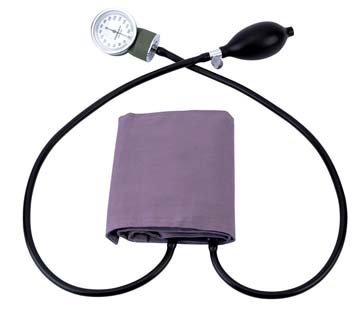
blood pressure cuff
image via blog.usa.gov

Retinopathy (damage to the blood vessels of the light-sensitive tissue at the back of the eye) is most commonly associated with diabetes, but a new study shows that 1 in 8 people without diabetes show signs of retinopathy.

The study, published in Ophthalmology describes how retinopathy is linked to hypertension, smoking, and carotid artery disease – all common risk factors for the development of cardiovascular disease.

One study author states that “controlling blood pressure and vascular risk factors may reverse retinopathy.”  Researchers hope that their findings will help health practitioners and patients become more aware of the risk of retinopathy in those who do not show signs of diabetes.

Source: Medscape

Learn more about controlling blood pressure naturally.

Cinnamon Helps Fight Diabetes

cinnamon
image via: www.ars.usda.gov

One of the favorite spices of the season could help fight diabetes.

Researchers publishing in Diabetic Medicine have found that taking two grams of cinnamon per day for twelve weeks can lower blood pressure and reduce blood sugar levels in those with type 2 diabetes.  Study authors warn that there have been no tests of long term safety and effectiveness of taking cinnamon as a supplement in the long term, but they are optimistic.

Source: Nutraingredients

For more on the related condition, diabetic retinopathy, visit our website.

Glaucoma and Alzheimer’s: Plaque Is A Potential Connection


Alzheimer's patient
image via www.cdc.gov

Glaucoma refers to any condition that causes damage to the optic nerve, but its cause is generally unknown.  Researchers in London are establishing a potential link between the development of glaucoma and the onset of Alzheimer’s disease.

In both cases, the same “plaque” proteins are involved in the conditions’ development.  Researchers speculate that the same substances that destroy brain cells in Alzheimer’s patients also destroy the optic nerve cells of those with glaucoma. Source: https://www.lef.org/

For more information about how to treat and prevent glaucoma naturally, visit our website.


Blueberries Reduce Blood Pressure and Improve Eye Health

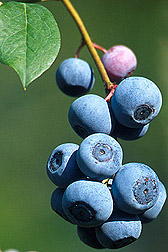
blueberries
image via USDA

A new study of rats has found that daily intake of blueberries helps reduce blood pressure in hypertensive animals.  The study, published in the Journal of Agricultural and Food Chemistry is unique in that they studied the results of eating the berry itself, not isolated compounds derived from the fruit. Source: https://mobile.nutraingredients-usa.com/Research/Blueberries-linked-to-improved-blood-vessel-health-Rat-study.

Blueberries, and their cousins bilberries and huckleberries have been found to help those with retinitis pigmentosa and diabetic retinopathy.