
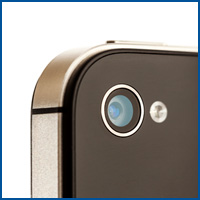
 Their process used an iPhone app called Filmic pro and a few other instruments. Researchers were able to create high-quality fundus images. This method could create a more portable and inexpensive option in eye treatment.
Fundus photography is crucial to eye care. It is used routinely to document eye condition in consultation and operation. However, commercial fundus cameras are very costly. This limits Continue reading “iPhone Photography Used to Diagnose Eye Disease”
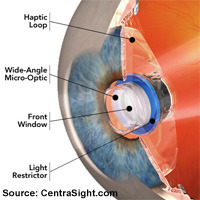 Approval to distribute the Alpha IMS wireless implant for retinitis pigmentosa (RP) has been granted in Europe to Retina Implant AG, based in Reutlingen, Germany. Thirty-six patients have received the subretinal implant, designed to restore useful vision to people legally blinded by RP.
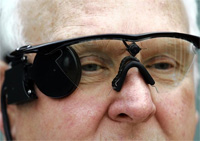 The first implanted device for adults with retinitis pigmentosa has been approved by the U.S. Food and Drug Administration. Called the Argus II Retinal Prosthesis System, the device includes a tiny video camera, a transmitter (on a pair of glasses), and a video processing unit. The patient’s retina is replaced with a prosthesis. The camera wirelessly transmits visual information to the retinal prosthesis to improve vision.
 The FDA has approved a patented device called the iStent® Trabecular Micro-Bypass Stent that helps reduce eye pressure from glaucoma in patients who also have cataracts. The new device addresses the fact that 90 of patients with glaucoma are not compliant with their glaucoma eye drop instructions, and half stop using their drops after 6 months. iStent allow patients to use eye drops less often, and may even make the drops unnecessary.
 Breakthrough research into vision restoration may result in a new type of prosthetic for people suffering from vision loss due to retinal degenerative diseases such as macular degeneration and retinitis pigmentosa.
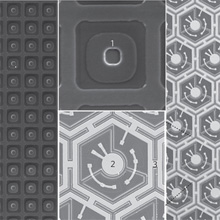 Experimental research at Stanford University school of medicine may result in the restoration of vision for people whose sight has been lost due to Age-Related Macular Degeneration (ARMD), Retinitis Pigmentosa and other diseases of the retina. Surgeons plan to implant small solar panel-like cells under the retina. When the patient wears a special type of goggles, a camera and small computer will allow them to see the world around them again.
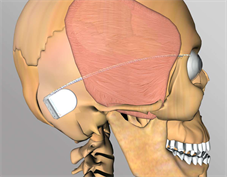 Two men blinded by retinitis pigmentosa have had their sight partially restored by receiving electronic retinal implants at King’s College Hospital in England.
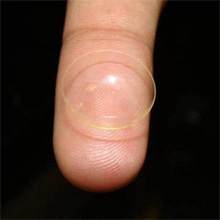 Treatment for the second leading cause of vision loss and blindness, glaucoma, may be improved with a new type of contact lenses that are loaded with Vitamin E. These new Vitamin E contact lenses may serve as delivery devices to treat glaucoma and other eye diseases such as dry eye and cataracts.
 The FDA has issued a Class I recall of certain contact lenses in the AvairaTM line. The lenses may be contaminated with the residue of silicone oil. These contaminated CooperVision contact lenses can cause problems, including severe pain, blurred vision and eye injuries, including torn corneas. Not all users of the contaminated lenses experience symptoms.