High Stress Can Lead to Glaucoma: Tips to Reduce Stress

Most individuals with undiagnosed glaucoma do not notice any symptoms the condition is somewhat advanced. Technically, glaucoma is due to damage to the optic nerve, sometimes as a result of increased pressure of the aqueous humor –  the clear, watery fluid that circulates in the chamber of the eye between the cornea and the lens.

Stress

Stress has been determined to be a major cause of chronic glaucoma. Stress causes us to breathe shallowly, which reduces the amount of oxygen in the bloodstream, causing venous backflow in the head. This process effects the eyes’ ability to revolve ocular fluids, which in turn increases eye pressure. Although we do not know exactly how the optic nerve is damaged in glaucoma, one common factor in all cases of glaucoma is a lack of blood flow to the retina and optic nerve. This lack of blood flow results in retinal nerve cell death, enlargement of the optic cup, and an eventual loss of vision.

Here are a few suggestions for those who are trying to reduce stress in their lives:

  • Exercise regularly
  • Take walks in nature
  • Practice yoga or tai chi
  • Engage in prayer or meditation daily

Nutrition

Sufferers of glaucoma are often deficient in some or many of the important nutrients including essential fatty acids, lutein, zeaxanthin, taurine, alpha lipoic acid, antioxidants, bioflavonoids, zinc, selenium, vitamin B-complex.

Yoga

Regular exercise is key to managing and preventing eye disease.  Many with glaucoma have concerns about their intraocular pressure (eye pressure) and allowing their heads to be below their hearts, as is common in yoga’s common inversion poses.  Those you might need to avoid include downward facing dog, head and shoulder stands, and any poses that require you to touch your toes while in a standing position.

Livestrong.com offers this tip for practicing a modified forward bend:

You can still enjoy the benefits of wide-legged forward bend by modifying how you practice it. Place a chair against a wall with the seat facing toward you. Hold your feet wide apart and keep them parallel. Lean slightly forward to keep your hips above your legs rather than behind your heels. Rest your forearms on the chair seat. Breathe deeply for 10 to 15 breaths, feeling an inner thigh and groin stretch and relaxing your back. Certified advanced Iyengar instructor Dean Learner emphasizes that modified forward bends should be part of your regular yoga practice.  Source: www.livestrong.com

 

Prevent Macular Degeneration With Diet, Exercise, and Smoking Cessation

It’s great when medical studies support what we have been telling our patients and clients for years.

A study published in the Archives of Ophthalmology describes how a good diet, regular exercise, and the avoidance of smoking can reduce one’s risk of developing early age-related macular degeneration.  The study revealed that there was little difference in whether one smoked for a long time or only briefly; any history of smoking puts you in the higher risk category.  The findings are based on a study of 1313 participants ranging in age from 55 to 74 years.  Source: Medscape

Learn more about how prevention is the best medicine when you want to ward off eye disease and other conditions.

For more about how you can prevent and treat macular degeneration, please visit our website.

Genes NOT the Cause of Many Diseases

double helix
image via cdc.gov

A new study published by The Bioscience Resource Project offers further support to something that we have long shared with our patients and clients: genes are not necessarily the cause of common diseases.

Researchers from around the world came to a similar conclusion: though there are genetic factors that make people susceptible to many diseases, very few are strong enough to be of any importance.  These findings could have an effect on how we look at the development of  heart disease, stroke, cancers, diabetes,  autism, ADHD, dementia,  schizophrenia, and depression.

Study authors are explaining their results in a way that will be very familiar to those who know how we approach health at Natural Eye Care.  Factors like diet and nutrition, lifestyle habits, and stress management all play key factors in the development of disease. Source: lef.org

Learn more about preventing diseases of the eyes and body at our website.

Healthy Lifestyle Prevents Stroke, Cataracts, Macular Degeneration, Glaucoma

Stroke, Cataracts, Macular Degeneration
image via doh.sd.gov

A healthy lifestyle can reduce your risk of stroke by up to 80%.

Research published in the journal Stroke encourages people to exercise regularly, drink alcohol only in moderation, eat plenty of fruits and veggies, control weight, and not smoke in order to avoid stroke.

These guidelines are the same that we recommend when it comes to avoiding vision conditions like cataracts, glaucoma, macular degeneration, and diabetic retinopathy.

Moderate Alcohol Use

There’s another piece of evidence that suggests moderate drinking – one or two alcoholic beverages each day – can be beneficial for the eyes.

A study of over 3,600 Australians found that when the figures were adjusted to account for other factors (including age, smoking, and diabetes), people who had one or two drinks each day were 50% less likely to have cataract surgery.  The moderate drinkers were less likely to require surgery for cataracts than counterparts who drank more as well as those who did not drink at all.

Source: https://www.osnsupersite.com

Read more about how prevention is the best medicine to ward off eye disease and other conditions that jeopardize your well-being.

Exercise Supports Eye Health – A New Perspective on Stretching

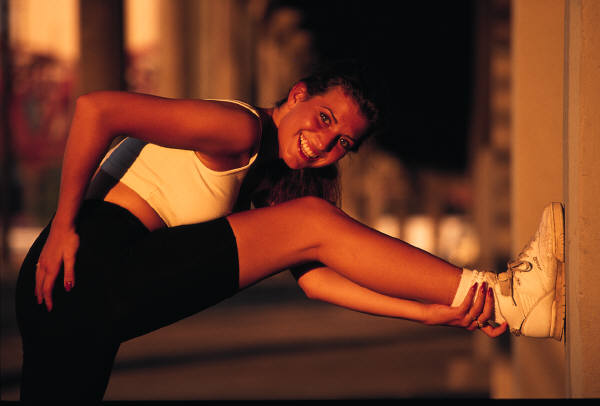
woman exercising
Image courtesy of healthysd.gov

At Natural Eye Care, we know that exercise is a vital part of keeping both the eyes and the entire body healthy.  Exercise is a key part of our prevention protocol and essential to anyone who wants to preserve their sight and avoid developing such diseases as glaucoma, macular degeneration, diabetic retinopathy, or cataracts.

A story aired on NPR talks about how that old pre-exercise stretching routine you have been doing for years may not be effective when it comes to warding off injuries.

A study published in the Journal of Strength and Conditioning Research found that “competitive runners are less efficient after static stretching.”

According to a coach interviewed in the same story, consider an alternative to the “bend and hold” style of stretching – a repetitive set of 2 to 3 second stretches called “active isolated stretching.”


Tai Chi Relieves Fibromyalgia Suffering

We have always advocated practicing such meditative, relaxing techniques like tai chi to encourage eye health.

A new study published in The New England Journal of Medicine has found that the gentle, flowing poses of tai chi may significantly the physical and mental afflictions of fibromyalgia.  Compared to other fibromyalgia sufferers who took a health education class followed by stretching, a group of patients who took a twice weekly tai chi class demonstrated less pain, fatigue, morning tiredness, stiffness, depression, anxiety, and difficulty at work.  Those who practiced tai chi reported better physical functioning and greater overall well-being.

Most compelling?  Thirty-five percent of the tai chi participants were able to stop taking their pain medications; only 15 percent of the control group were able to do so.

Explore our resources on Vision Wellness for more tips on healthy living with fewer medications.

Exercise and Cognitive Behavioral Therapy Relieve Fibromyalgia

Recent studies suggest that the most effective combination of therapies to treat fibromyalgia is exercise paired with cognitive behavioral therapy (CBT).

Fibromyalgia is a notoriously difficult disease to treat.  Standard treatments include painkillers, antidepressants, cognitive-behavioral therapy, and exercise therapy.  Recent studies suggest that the most effective combination of therapies is exercise paired with cognitive behavioral therapy (CBT).

Study participants were separated into two groups based on how they dealt with their pain: those who curbed activities due to fear of pain and those who continued their activities in spite of pain.  The goal of CBT is to help people recognize thought patterns and emotional responses that contribute to their symptoms, and give them practical ways to change their behavior. For patients who habitually tried to avoid pain, the CBT sessions were geared toward helping them deal with their fear of pain and set goals for increasing their daily activities; those who typically attempted to push through pain, the CBT was designed to set more realistic goals and pace their daily activities and avoid overexertion.

Six months later, almost two thirds of participants showed “clinically significant” improvements, meaning that they had an increased ability to  perform daily activities like walking, climbing stairs and doing household chores.

Source: http://www.reuters.com/article/idUSTRE65A5LZ20100611

5 Strategies For Living Well with Fibromyalgia

Fibromyalgia can be a challenging disease, but the following tips can help you to manage your symptoms

Fibromyalgia can be a challenging disease, but the following tips can help you to manage your symptoms:

1) Keep track of the pain: Keep a pain diary so that you can connect your symptoms to other factors in your life including diet, environment, and activities.

2) Do not expect too much from your medication: Though there are drugs that have been approved to treat fibromyalgia, they do not work for everyone.

3) Consider alternative and complementary therapies: Yoga, meditation, massage, acupuncture, Tai Chi, biofeedback, and other forms of bodywork and stress relief techniques have been proven to help manage the pain of fibromyalgia.

4) Be an active participant in your care: If your doctor is not helping you find the best way to deal with your particular symptoms or is not taking your pain seriously, consider finding another provider.

5) Avoiding activity due to pain: Remaining active and pursuing activities that bring you joy and exercise your body are keys to your health.

Source: http://health.msn.com/health-topics/articlepage.aspx?cp-documentid=100259977&page=1


Cherry Juice Relieves Muscle Pain

Runners who drank pure tart cherry juice immediately after a long run reported 23% less pain than those who drank a placebo cherry drink.

In a study of sixty healthy adults ages 18 to 50, those who drank 10.5 ounces cherry juice twice a day for seven days prior to and on the day of a long-distance relay had significantly less muscle pain following the race than those who drank another fruit juice beverage. 

On a scale from 0 to 10, the runners who drank cherry juice had a 2 point lower self-reported pain level at the completion of the race, a clinically significant difference.

Researchers at the Oregon Health & Science University suggest that cherries’ post-exercise benefits are likely due to the fruit’s natural anti-inflammation power from antioxidant compounds called anthocyanins.  These anthocyanins also give cherries their bright red color.

The natural anti-inflammation power of cherry juice could benefit the millions of active Americans currently taking over-the-counter pain medications to reduce muscle pain.  Study authors say that although more research is needed, early finding indicate cherries may work like common medications used by runners to alleviate post-exercise inflammation.

SOURCE:  Kuehl, et al, Oregon Health & Science University, presented at the American College of Sports Medicine Conference, May 2009.

Long-term exercise positively impacts cellular aging

In an article appearing in the December 1, 2009 issue of Circulation: Journal of
the American Heart Association, Ulrich Laufs, MD of Saarland University in Homburg,
Germany and his colleagues report an association between long-term intense exercise
and a reduction in the shortening of telomeres that occurs with aging.

In an article appearing in the December 1, 2009 issue of Circulation: Journal of
the American Heart Association, Ulrich Laufs, MD of Saarland University in Homburg,
Germany and his colleagues report an association between long-term intense exercise
and a reduction in the shortening of telomeres that occurs with aging. Telomeres
are protective segments of DNA at the ends of chromosomes that shorten with cell
division. Shorter telomeres limit the number of cell divisions, and have been
linked with conditions associated with aging of the whole human organism, such
as high blood pressure and dementia.

Ref: http://circ.ahajournals.org

Editor’s Note: A recent study published February 10, 2009 in Health & Medicine showed that vigorous exercise may help prevent vision loss. For more related information, go to www.naturaleyecare.com