Glaucoma Risk Reduced by Exercising

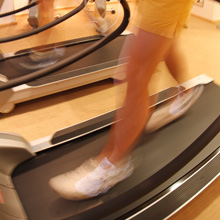
exercise seems to reduce the risk of glaucomaWant to reduce your risk of glaucoma? Stay physically active. A study in the Investigative Ophthalmology & Visual Science Journal showed that higher levels of activity seems to have a beneficial impact on ocular perfusion pressure (OPP). OPP is a crucial risk factor for developing glaucoma.

The study was done on 5,650 adults aged 48-90 in the U.K. It measured the relationship between current OPP and physical activity over time. The subjects filled out lifestyle and health questionnaires. The surveys recorded how much physical activity the subjects got during both work hours and leisure time. They were given tests to measure eye pressure  (intraocular pressure — IOP) and blood pressure.

This study showed a 25% reduced risk of low OPP in study participants who had moderate physical exercise approximately 15 years before.
Continue reading “Glaucoma Risk Reduced by Exercising”

Incidence of Blindness Drops in Denmark Due to Treatment of Wet AMD

blindnessIncrease in the delivery of a treatment for neovascular age-related macular degeneration (wet AMD) has resulted in a significant 50% reduction of new cases of blindness in Denmark, according to a study published in the American Journal of Opthamology. Age-related macular degeneration is the most common cause of blindness in the West. Specifically, AMD patients lose reading vision and their ability to drive, resulting in revocation of their drivers’ license.
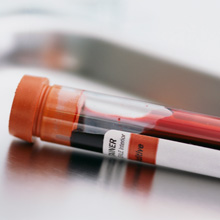
Wet AMD is the most serious type of macular degeneration. Abnormal blood vessels start  to grow in the eye, toward the yellow spot in the middle of the retina called the macular. The macular provides the most visual acuity, as well as perception of color. Wet AMD results in quick and severe loss of vision.

Continue reading “Incidence of Blindness Drops in Denmark Due to Treatment of Wet AMD”

Statin Drugs and Muscle Injuries

blood test for high cholesterol statin drugsPatients taking statin drugs to lower cholesterol might be more likely to get muscle injuries, especially elderly patients.(1) Side effects and adverse reactions, according to other research, may include increased stroke risk, higher risk of Type II Diabetes, low iron, pancreatic dysfunction, sexual dysfunction, suppressed immune system, muscle pain, and more.
Be aware that increased incidence of cataracts may also be linked with statin drugs.  A study(2) suggests that statin drugs are associated with an increased risk of cataracts in both men and women. In the study, cataracts risk went up within 12 months of starting statin drugs, continued while taking the drug, and dropped back to normal Continue reading “Statin Drugs and Muscle Injuries”

Strengthen Your Muscles from Your Eyes to Your Toes

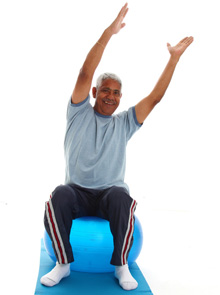
exercise for the elderly including the eyesWhen you are in your 30’s, your skeletal muscle mass will peak. After that, they will reduce slightly in number and size every year. By the time you are in your 50’s, 15% of muscle mass may be lost, and by your 80’s, as much as 30% of muscle mass may be lost.

Obviously, strength training is crucial to strengthen your muscles and  increase their size. Being strong and fit helps maintain good health and energy, reduces osteoporosis and cardiovascular disease, burns calories for weight management, improves sleep, cuts cancer risk, and much more!

Everyone should make exercise a priority throughout their lives. However, up to 75% of older Americans do not get enough exercise.(1)

It is generally recommended that older adults should do strength training two or three times per week, performing 10-15 repetitions of approximately 8 to 10 different exercises.(1)

Recent research Continue reading “Strengthen Your Muscles from Your Eyes to Your Toes”

Outdoor Activity Might Reduce Myopia in Children

outdoor time may reduce myopia in children and teensThe rise of myopia, also known as shortsightedness, has increased significantly in the past 30 years in the United States. Time spent outdoors has dropped off in this time period. Researchers at the National Eye Institute conducted a study of children and teens that shows a possible link between less time spent in outdoor activity and myopia.
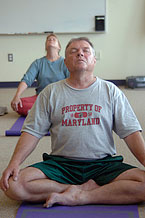
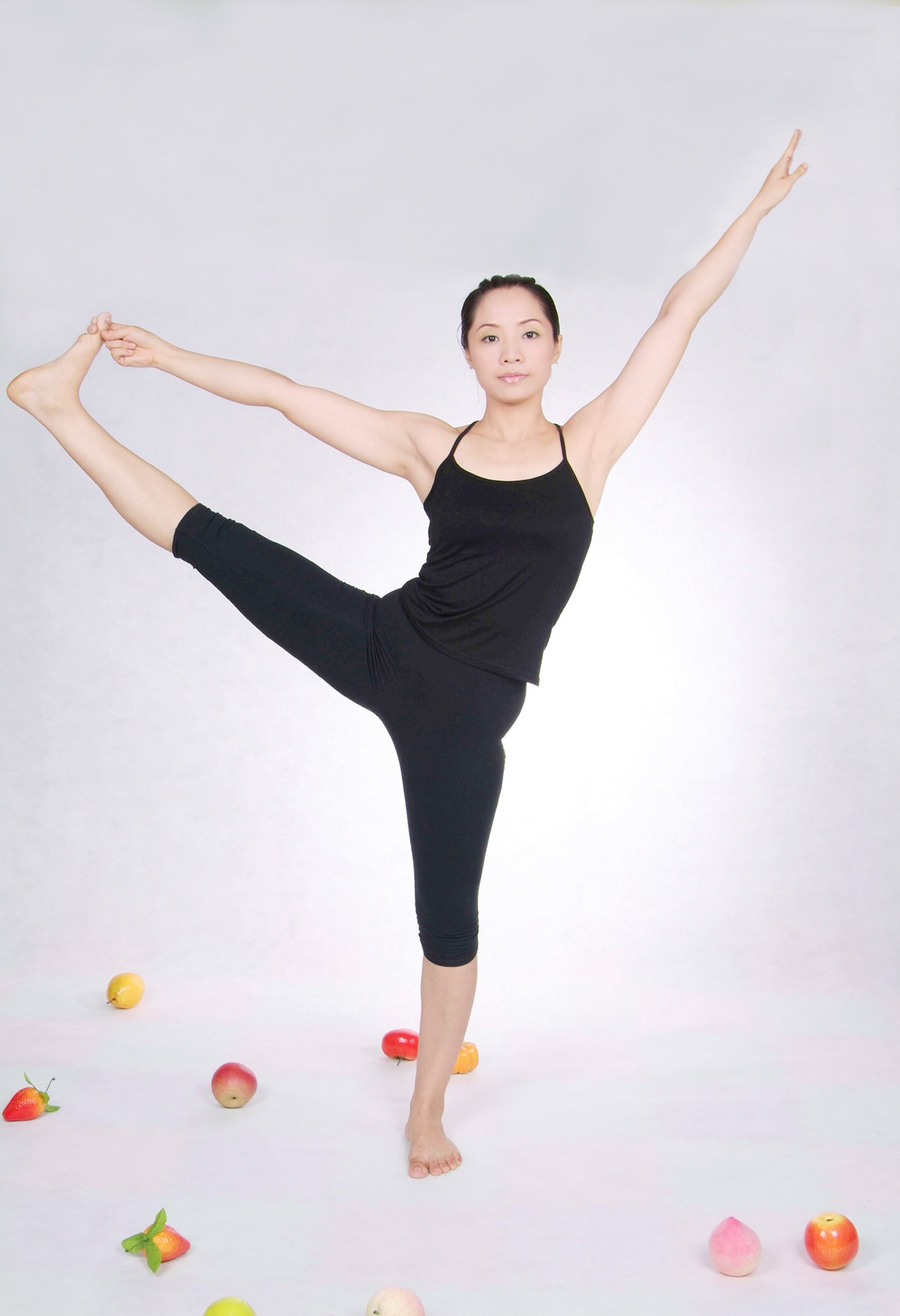
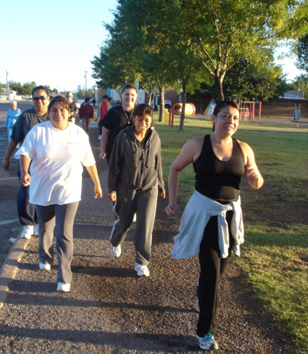
In the early 1970’s, 25% of 12 to 54 year olds in the United States had myopia. In 1999-2004, that figure was 42%, a huge increase.

Myopia means that the eye focuses in front of the retina, making vision blurry. This condition is thought to be caused by Continue reading “Outdoor Activity Might Reduce Myopia in Children”

Yoga Improves Balance and Reduced Fall Risks for Stroke Survivors

people practicising yoga
Image via nccam.nih.gov

Preliminary research shows that a regular yoga practice can help stroke patients recover more effectively.


A study of 20 stroke survivors of an average age of 66 engaged in twice weekly yoga classes for two months.  It was found that the participants balance improved.  Researchers also found that a practice of yoga could help prevent potentially dangerous falls.

On the whole, balance scores increased by 17% on the Berg Balance Scale and by 34% on the Fullerton Balance Scale.  It is important to not that the average score was upped from 40 to 47 on the Berg Balance Scale, which means that the individuals were no longer on the “high risk” list when it comes to falls.

These findings were presented at he American College of Sports Medicine Annual Meeting in Denver; they have not yet undergone full peer review.  Source: WebMD

We recommend a yoga practice or other regular stress relieving activity as part of a healthy eye regimen.  Yoga can even help improve your overall sense of vision – check out Dr. Grossman’s DVD, Yoga & Vision Improvement.

Study: How Does Glaucoma Influence Patients’ Lives?


In addition to significantly compromising vision, glaucoma is a disease that also takes an emotional toll, according to a new study in the April issue of the Journal of Advanced Nursing.


This study of 24 Chinese individuals with glaucoma showed that there are many fears associated with the disease including concerns about blindness and how the condition may effect other family members.  Many who were on medication, such as eye drops, were found to be self-administering them incorrectly.

Despite the relatively common nature of glaucoma in China, study participants knew little about the disease before they were diagnosed, leading researchers to conclude that there needs to be more public education about glaucoma as well as increased  support available to those who have received a glaucoma diagnosis.

According to the source for this story, Science Daily, “Some used traditional Chinese herbs like Wolfberry and Ginseng and the martial art of Tai Chi to help manage their condition. Others avoided spicy food to keep their condition stable. [According to one participant,]”Some food will get you into trouble like seafood and leek. They contain too much Yang, which can do harm to the eyes.”

At Natural Eye Care we believe strongly in both the power of traditional Chinese medicine and the power of food to help heal eye conditions.  Learn more about our prevention protocol, which includes a proper diet and the practice of a calming activity like Tai Chi.

Atrial Fibrillation Patients Fare Better With Yoga

What would it take to get you on a yoga mat?  How about the possibility of cutting in half your chances of suffering episodes of dangerous irregular heartbeats if you suffer from a condition called atrial fibrillation.

A new study out of Mid-America Cardiology at the University of Kansas Hospital describes how doing yoga three times per week ups quality of life and lowers anxiety and depression rates in people with atrial fibrillation.

Generally, atrial fibrillation is treated with invasive surgery or medication with heavy side effects.  In this study, 49 people between age 25 and 70 with this heart condition began a thrice weekly yoga practice for three months.  They had 2.1 episodes of atrial fib while doing yoga compared  to the three months prior to the trial when they only did non-yogic exercise during which time they had an average of 3.8 episodes.  Source: HealthFinder

A regular practice of yoga can benefit your health in so many ways.  Read an article by our do-founder Dr. Marc Grossman on “The Yoga of Vision.”

Tai Chi Helps Seniors’ Balance and Reduces Falls

At Natural Eye Care, we recommend stress reduction techniques as a way to promote eye health.  At the top of our list is the practice of tai chi.  Not only does tai chi help to calm the mind and the body, it has also been shown to prevent falls in older adults.

A study in the journal Alternative Therapies offers a review of several studies that describe the efficacy of a regular tai chi practice for older adults looking to improve balance and, as  result, reduce the risk of injury from falls.  Researchers concluded that tai chi does reduce fall risks but that more research is necessary to determine what kind of tai chi is most effective.  Source: Alternative Therapies

Learn more about how to prevent and treat eye disease at our website.

Exercise: Prevent Diabetes By Walking 10,000 Steps Per Day

exercise & diabetes
image via cdc.gov

A new study published in the British Medical Journal makes the case for walking away from diabetes.

The researchers studied nearly 600 adults over 5 years and found that those who took 10,000 steps per day (the equivalent of 5 miles) had much better insulin sensitivity than those who walked less.

Diabetes risk decreases when one’s insulin sensitivity increases.

Source: LA Times article

Learn more about the related condition, diabetic retinopathy – a potentially blinding disease that can be prevented and treated with proper nutrition and exercise.

Low Muscle Mass = Increased Risk

New study shows low skeletal muscle mass and strength often found in those who are older or obese may put individuals at risk for developing type 2 diabetes, and that a good diet may not be enough to prevent type 2 diabetes.

These associations were stronger in people age 60 and under, in whom sarcopenia (the degenerative loss of skeletal muscle mass and strength associated with aging) was associated with high levels of blood sugar in both obese and thin people, and with diabetes in obese individuals.

The findings are published in the journal Plos One.

Editor’s Note: Learn more about  nutrition and diabetes.