
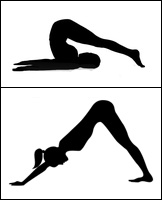
 Yoga is generally considered a perfect exercise for overall health; however, head-down positions may be harmful to glaucoma patients. A small study at a yoga studio found that positions that put the head downward increased intraocular pressure. The positions studied were Adho Mukha Svanasana, Uttanasana, Halasana and Viparita Kirani.
Intraocular pressure is associated with glaucoma, a serious and degenerative eye disease. During a standard eye exam, this pressure is often used as a screening. Continue reading “Head-down Yoga Positions Could Aggravate Glaucoma”
 The benefits of exercise are indisputable.
 Electronics have become primary obsessions in our personal and work lives. This has lead to nearly everyone becoming susceptible to Computer Vision Syndrome. Symptoms include dry eyes, eye strain, blurred vision, headaches, double vision, difficulty in concentrating, fatigue and/or and head, neck and shoulder pain.
 Research shows that simple exercise could be the answer to improving your vision. Exercise is linked to improved retinal health and prevention of common eye diseases. Although exercise in general is considered to be essential to overall health, for the first time a study has linked exercise directly with retinal health. This research could lead to better prevention and treatment of common retinal diseases, including age-related macular degeneration (AMD).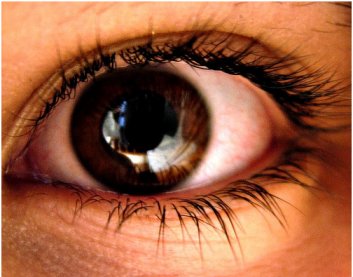

 The Food and Drug Administration (FDA) has recommended that the block-buster sleeping pill Ambien (zolpidem) dose be lowered, especially for women, due to negative side-effects. The drug stays in women’s system much longer than in men’s. Too many car accidents the day after taking Ambien have lead to the government agency to halve the recommended dose for women, and re-consider the dose for men.
 As people age, eye diseases and conditions that commonly occur include macular degeneration, cataracts, vitreous tears/retinal tears and detachments, glaucoma, diabetic retinopathy, dry eyes, and eye floaters.
 The obesity epidemic may have an impact on the health of the eyes. While scientific studies do not seem to have found a direct link between obesity and eye disease, maintaining a healthy weight supports your overall health and helps prevent diseases that can harm the eyes. Here’s why.