Notable People Who Have Vision Conditions

Even VIPs have eye conditions.  Here’s an interesting collection of ten notables who have serious vision conditions, and who have made a success of their lives nonetheless!
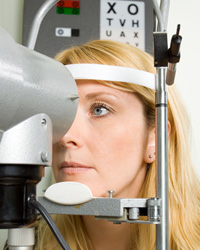
optic neuritis exam1. Steve Wynn: Las Vegas casino developer and the owner of such resorts as the Wynn Las Vegas, Wynn Macau, Bellagio, The Mirage, et cetera. Wynn has developed retinitis pigmentosa which includes progressive degeneration of the photoreceptor cells of the retina. Such degeneration results in poor night vision, light to dark adaption and impaired peripheral vision. Mr. Wynn recently partnered with the University of Iowa to establish the Stephen A. Wynn Institute for Vision Research. He donated $25 million to help the university find a cure for blinding eye diseases.

2. Jon Wellner: American actor with the recurring role as toxicologist Henry Andrews in CSI: Crime Scene Investigation. Wellner also has retinitis pigmentosa which has not yet impacted his work. He does however wear glasses. Not only does he continue to act but he also owns his own research company that does research for CSI: Miami, Bones, CSI: Crime Scene Investigation, and others. Continue reading “Notable People Who Have Vision Conditions”


Taurine Keeps Diabetics’ Eyes Healthy

DiabetesTaurine is something you will often see in reference to your cats – it’s essential to feline health.  You may not know that it is essential to your own eye health as well, especially if you are a person with diabetes.

Diabetes increases the retina’s requirements for taurine.  Uptake of taurine is increased in the retina and retinal pigment epithelium when the body is suffering from higher levels of insulin and glucose concentrations.

Also, Taurine also appears to protect the lens against the development of “sugar cataracts” because it has excellent antioxidant properties.

Good sources of taurine are fish and eggs.  You can also visit our Vision Store to find supplements that will help you boost your taurine levels.

See research on taurine and more information on this and other important amino acids.

Usher Syndrome and the Eyes

guide dog for deaf-blindUsher Syndrome is a genetic condition that leads to loss of hearing, balance and vision. It is the most common cause of deaf-blindness and accounts for 2-6% of the deaf population. The vision loss from Usher Syndrome is retinitis pigmentosa (degenerating retinal cells).

This condition was described in 1914 by Charles Usher, an English eye doctor. It is autosomal recessive, meaning both parents must carry the gene for the condition to Continue reading “Usher Syndrome and the Eyes”

What are the Concerns Over BPA Bisphenol-A in Plastics?

bottled water bpaBPA, or Bisphenol-A, has practically become a household word in America as a dangerous chemical found in certain types of plastic, particularly plastic #7. This polycarbonate is a non-recyclable plastic commonly used for the following products:

5 Reasons to Like Ginseng

ginseng teaA traditional herb has been getting a lot of attention from researchers lately. Ginseng! It came from the Appalachians and Ozarks, where it was used by American Indians as a medicinal herb. In the 1700s, it was sold extensively to Asian traders who promoted its cultivation in China and Korea. It is now cultivated commercially in the Eastern US and upper Midwest.
Adaptogenic not Ergogentic

Ginseng is mostly adaptogenic rather than ergogenic. Two fancy words for two simple concepts. Adaptogenic means better tolerance for physical and mental stress; ergogenic means performance enhancing. Continue reading “5 Reasons to Like Ginseng”

What are Retinal Tears or Detachments and What Should I Do?

retina in the eyeA retinal tear is an eye problem with potentially serious complications that almost always ensue if not treated promptly. The retina feels no pain. Retinal tears can develop suddenly with little to no warning, and because of the lack of pain, people can easily fail to understand that something serious has occurred. Anyone who has symptoms of a retinal tear, or a more serious retinal detachment, should consult an eye doctor immediately.

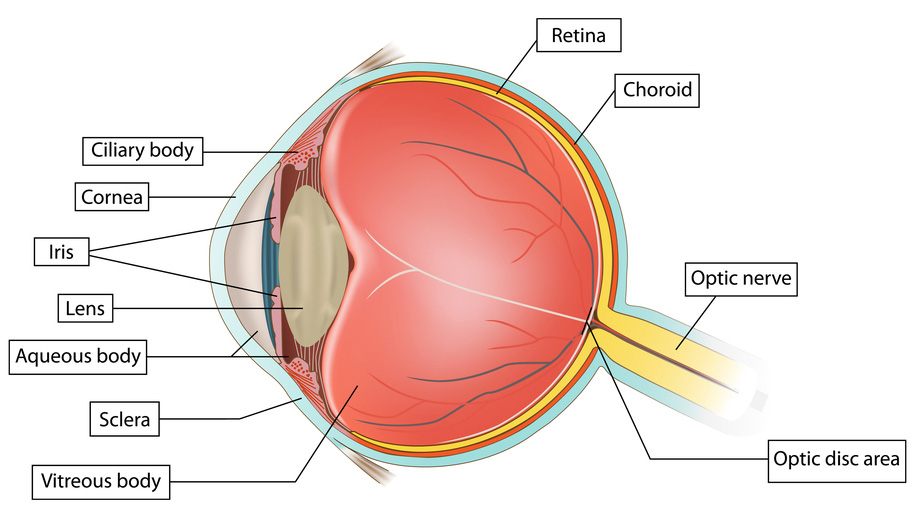
Eye Anatomy
In order to grasp what a retinal tear is, it is necessary to Continue reading “What are Retinal Tears or Detachments and What Should I Do?”

Your Eye: 9 Surprising Facts You Probably Didn’t Know


1. Your Eyes Hold Facts About Your Health

Image via Flickr by Mikleman

When ophthalmologists look at your eyes, they can see more than you’d anticipate. Not only are they able to see the health of your eyes, but they can see if you have other health issues including high blood pressure, diabetes, high cholesterol and even multiple sclerosis and lupus. A thin white or grey ring around the eye, called a corneal arcus, is one indicator of high cholesterol? in younger patients.

2. Your Eyes Heal Quickly

Eyes are such an important part of the human body that they actually can heal better than most of the rest of your body. They are the second most active part of our body next to the brain and therefore especially require  healthy circulation for oxygen and nutrition and the ability to eliminate waste. It is the eyes’ ability to draw what is needed from other parts of the body that supports rapid healing. For example, a scratch on the cornea can heal in just two or three days, whereas a scratch on your skin is going to take much longer to fully heal.

Continue reading “Your Eye: 9 Surprising Facts You Probably Didn’t Know”

What is Optic Neuritis?

optic neuritis examOptic neuritis is an inflammation of the optic nerve that most often strikes young people aged 18-45. It is often accompanied by demyelination of the optic nerve. Demylenation is a loss of some of the fatty covering, called the myelin sheath, that protects the nerve and helps it conduct signals. While most people who develop optic neuritis recover their vision without treatment, a doctor must be consulted. This condition can lead to permanent damage of the optic nerve, creating partial or total blindness or holes in the visual field.

Symptoms

Symptoms typically include pain (in 92% Continue reading “What is Optic Neuritis?”

Baby’s Gender May be Tied to Diet, Nutrition.

We came across a perfectly fascinating article about the fact that whether a baby is a boy or girl may be related to the mother’s diet at the time of conception … which is also true in nature.

“A joint study conducted by researchers at the Universities of Oxford and Exeter has turned up the tantalizing evidence that a child’s gender might be determined by mother’s diet around the time of conception.

If this is true, it goes a long way in solving the mystery of why there is a decreasing number of male babies born each year in the industrialized nations of the world, including the United States, Canada, and the UK.” (from Medweb)

Continue reading “Baby’s Gender May be Tied to Diet, Nutrition.”

Sustainable and Highly Nutritious Seaweed

Researchers in Ireland have shown that it is possible to grow three highly nutritious kinds of seaweed through sustainable industrial-scale cultivation.  They have grown Laminaria digitata (a brown seaweed “kelp”)  grown “very successfully” on longlines in Roaring Water Bay, in southwestern Ireland.
A three-year Irish project to grow three valuable species of seaweed with valuable nutritional properties in an aquaculture environment has shown that sustainable industrial-scale cultivation is viable, say researchers.

Seaweed is purported to lower cholesterol, reduce blood pressure, fight obesity, promote healthy digestion, and tackle free radicals.

Seaweed also contains nutrients that are vital to eye health and maintaining good vision, including vitamin A and vitamin C.  Learn more about food sources for other nutrients that benefit the eyes at our website.

Source: .nutraingredients.com