
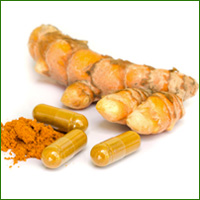
 Research on turmeric spice indicates its potential to fight depression, cancer, diabetes, and neurodegenerative disease. The bright yellow spice, which lends color and flavor to mustard, curry, and other foods, also contains highly beneficial chemicals like curcumin.
Curcumin has been studied widely in the past, but it only makes up about two to five percent of the turmeric spice. Researchers from the Cytokine Research Laboratory Continue reading “Turmeric May Guard Against Cancer, Lupus, Diabetes”

 Keratoconus is a disorder of the cornea that causes visual distortion. Changes in the cellular structures of the cornea cause it to thin and bend into a pronounced cone shape, losing its normal gentle curvature. This leads to several types of visual distortion including blurring, halos around lights, and, in some cases, rapid vision loss. The signature sign of Keratoconus is the perception of multiple ghostly images, called monocular polyopia.
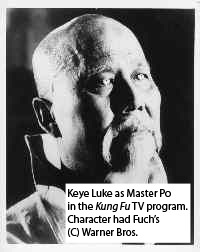 Fuchs’ Corneal Dystrophy is named for the Austrian ophthalmologist Ernst Fuchs, who first described the condition in 1910. He described thirteen patients who suffered from corneal clouding, blisters on the corneal epithelia and loss of corneal sensation.
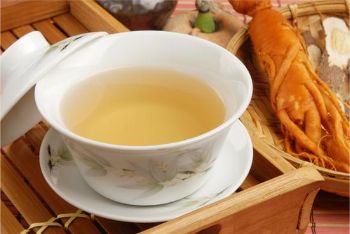 A traditional herb has been getting a lot of attention from researchers lately. Ginseng! It came from the Appalachians and Ozarks, where it was used by American Indians as a medicinal herb. In the 1700s, it was sold extensively to Asian traders who promoted its cultivation in China and Korea. It is now cultivated commercially in the Eastern US and upper Midwest.
 CoQ10 is a nutrient essential to energy production in the heart. It also has the ability to improve mitochondria metabolism. Issues with mitochondria function may play a role in AMD onset. A study on this was published in Ophthalmologica in 2005.