
 In a recent study, hospital patients with higher levels of the vitamin were less likely to develop hospital-acquired bloodstream infection (HABSI).
This protective effect of vitamin D is an important finding. Boston researchers collected data from 2,135 patients of Boston hospitals from 1993 to 2010. The men and women had vitamin D levels measured before admission to the hospital. 48 hours after admission, their blood samples were Continue reading “Vitamin D Protects Against Bloodstream Infection”
 It’s important to check with your doctor if you are suffering from chronic head pain. However, there are some natural remedies you may find helpful.

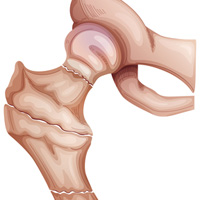 Researchers at Ohio State University examined the effect of high levels of
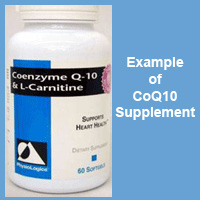
 The Food and Drug Administration (FDA) has recommended that the block-buster sleeping pill Ambien (zolpidem) dose be lowered, especially for women, due to negative side-effects. The drug stays in women’s system much longer than in men’s. Too many car accidents the day after taking Ambien have lead to the government agency to halve the recommended dose for women, and re-consider the dose for men.
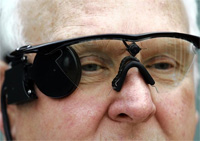 The first implanted device for adults with retinitis pigmentosa has been approved by the U.S. Food and Drug Administration. Called the Argus II Retinal Prosthesis System, the device includes a tiny video camera, a transmitter (on a pair of glasses), and a video processing unit. The patient’s retina is replaced with a prosthesis. The camera wirelessly transmits visual information to the retinal prosthesis to improve vision.
 A fruit cup of mixed berries is a powerful snack: deeply colored fruits are filled with flavonoids and other antioxidants that help protect the body from disease. Antioxidants help prevent free-radical damage, which is believed to be responsible for the onset of eye diseases such as