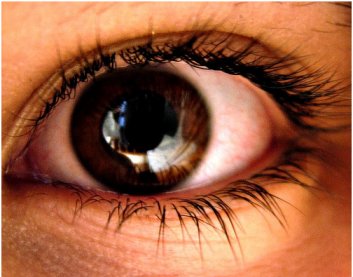
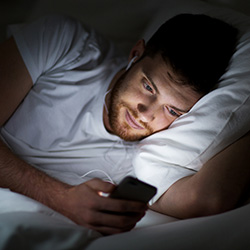
 Smartphones can damage the eyes and cause disturbed sleep. Therefore, Natural Eye Care has issued safety guidelines for smartphones. We have summarized research on how smartphone misuse could contribute to the onset of serious eye diseases such as glaucoma and macular degeneration. Eye strain and discomfort from improper smartphone habits create unnecessary suffering. Night time smartphone use leads to poor sleep.
However, there is much you can do to prevent problems from smartphones. At the end of this article, you will find suggestions for how to use smartphones without damaging your eyes. Continue reading “Smartphone Safety for Better Sleep – Prevent Eye Damage and Eye Disease”
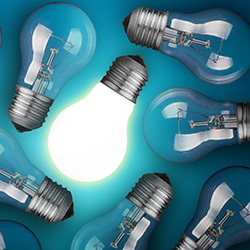 Even though sunlight is free, we pay for electric lightbulbs. We enjoy access to light 24 hours a day, even lighting the outside at night. The miracle of electric lighting means more leisure and work time.
 Sunlight is critical for overall well-being. Through an intricate process it enables the body to produce essential vitamin D. We only need 20 minutes of sunlight a day. But sunlight also contains UV radiation.
 Myopia, or nearsightedness, is a common vision problem. Evidence is starting to show that sunlight has special properties beneficial to vision health. Specifically, exposure to sunshine reduces the risk of developing nearsightedness at all ages. The quality of artificial light and nutrition also play roles. The world’s most natural remedy is sunlight. Find out how much you need to stay healthy.
  Growing your own is the very best option. From the garden straight to the salad or the pan is the finest choice for flavor, nutrition, and satisfaction! You may not have garden space or the inclination to garden, but you can accomplish a surprising amount in less space than you thought possible. Don’t skip the essentials, below.
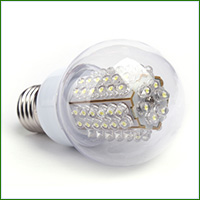 LED light bulbs are becoming very popular, but what is their effect on the eyes? Light Emitting Diode lighting uses up to 95% less energy than their incandescent counterparts. Before replacing your home or workplace’s indoor lights with LEDs, consider two downsides:
 Americans spend about 1/3 of their waking hours on smartphones; young Americans spend even more. Research finds that we spend almost twice as much time as we think we do and more than half of that time is in short bursts of less than 30 seconds.
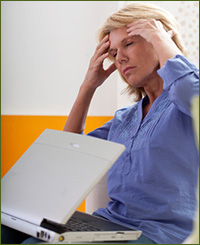 Electronics have become primary obsessions in our personal and work lives. This has lead to nearly everyone becoming susceptible to Computer Vision Syndrome. Symptoms include dry eyes, eye strain, blurred vision, headaches, double vision, difficulty in concentrating, fatigue and/or and head, neck and shoulder pain.
 Exposure to electromagnetic fields has been considered a potential contributor or cause to many chronic illnesses for about 20 years. What is becoming more apparent is that EMF pollution when combined with toxins and poor diet makes chronic disease more likely.