
 Children are under a great deal of pressure to excel in their studies in Southeast Asia, and a new study in The Lancet shows they may by paying the price by damaging their eyes. Myopia, or nearsightedness, used to have a rate of 20% to 30% on average in Southeast Asia. A recent study put that number at more than 80% in young adults.
School is very competitive, and many students spend most of their time indoors studying and taking classes. They do not receive sufficient amounts of outdoor light to counter-act their indoor eye use.
 A research study published in Archives of Ophthalmology showed that ingesting omega-3 fatty acids and fish affects the incidence of AMD (age-related macular degeneration, or ARMD) in women. This large study (nearly 40,000 participants) over 10 years found that women who had the highest of intake of Docosahexaenoic acid (DHA, an omega-3 fatty acid) had the lowest risk of AMD versus subjects with the lowest intake. Women who ate at least one serving of fish per week had a relative risk of AMD of 0.58 compared with women who ate less than one serving per month.
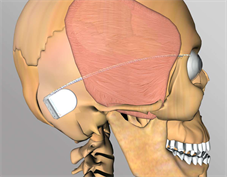 Two men blinded by retinitis pigmentosa have had their sight partially restored by receiving electronic retinal implants at King’s College Hospital in England.
 An auto immune disorder, Sjogren’s syndrome has two main symptoms: dry eyes and dry mouth. The glands responsible for secreting fluid are infiltrated by immune system cells (usually B and T lymphocytes). These glands become inflamed, leading to decreased production of water for tears and eye moisturize. The salivary glands in the mouth are also dry.
 The macular pigment of the eye is formed by a combination of lutein and zeaxanthin. Lutein is more than just a filter of blue light and an antioxidant. Consider these points about lutein:
 Do you dread looking in the bathroom mirror when you first wake up? Scared of seeing baggy, puffy eyes or horrible dark circles under your eyes?
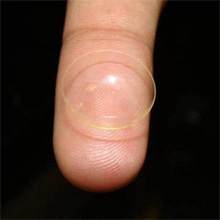 Treatment for the second leading cause of vision loss and blindness, glaucoma, may be improved with a new type of contact lenses that are loaded with Vitamin E. These new Vitamin E contact lenses may serve as delivery devices to treat glaucoma and other eye diseases such as dry eye and cataracts.
 A new study published in the November 2011 Journal of Optometry confirms improved vision in elderly patients with early Macular Degeneration through nutritional supplementation with Zeaxanthin (a carotenoid in the family of lutein).
 Eye floaters are imperfections in the eye that look like dark shapes. They are made of protein and other discarded cell material. Although you may perceive them as being in front of the lens, they are in fact on the inside of the eye.