
 The sun represents a potential threat to the eyes. Overexposure to sunlight can cause an increased risk of cataracts, cancer of the lids of the eyes, and even cornea burns. It is important to prevent eye disease and injury caused by UV radiation and sunlight.
Dr. George Cioffi is the chief of ophthalmology at New York-Presbyterian Hospital/Columbia University Medical Center. He points out that people at elevated risk of eye damage from the sun include cataract surgery patients, people with light colored eyes, patients who have disorders of the retina, and patients whose medications cause sensitivity to light.
Continue reading “How Too Much Sun Can Cause Cancer and Harm Eyes”
 As people age, eye diseases and conditions that commonly occur include macular degeneration, cataracts, vitreous tears/retinal tears and detachments, glaucoma, diabetic retinopathy, dry eyes, and eye floaters.
 The obesity epidemic may have an impact on the health of the eyes. While scientific studies do not seem to have found a direct link between obesity and eye disease, maintaining a healthy weight supports your overall health and helps prevent diseases that can harm the eyes. Here’s why.
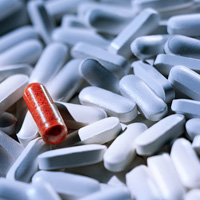 Drug maker GlaxoSmithKline has been found guilty of fraud in the way it reported research on, or marketed, on 3 of its medications in the largest settlement against a drug company in US history–$3 billion. The issues involved 10 drugs, and included marketing “off-label” use of the antidepressants Paxil and Wellbitrin and the asthma drug Advair, and not reporting all the safety data for the diabetes drug Avandia.
 Want to reduce your risk of glaucoma? Stay physically active. A study in the Investigative Ophthalmology & Visual Science Journal showed that higher levels of activity seems to have a beneficial impact on ocular perfusion pressure (OPP). OPP is a crucial risk factor for developing glaucoma.
 Standard glaucoma treatment depends on adherence to a program of medication and medical appointments. A recent study indicated that an interactive, automated series of phone calls to glaucoma patients increased compliance with their treatment. However, the control group who received no calls had equally good compliance, indicating further research is needed.
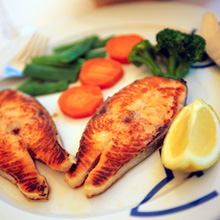 A breakthrough laboratory study has found that DHA, an Omega 3 fatty acid, prevented Age-Related Macular Degeneration (ARMD).
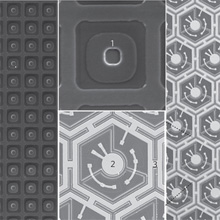 Experimental research at Stanford University school of medicine may result in the restoration of vision for people whose sight has been lost due to Age-Related Macular Degeneration (ARMD), Retinitis Pigmentosa and other diseases of the retina. Surgeons plan to implant small solar panel-like cells under the retina. When the patient wears a special type of goggles, a camera and small computer will allow them to see the world around them again.
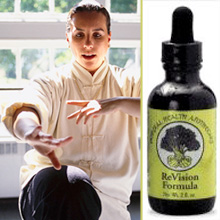 What is ReVision formula, and how can its classic Chinese medicinal ingredients help improve eye health and conditions such as eye floaters? ReVision formula is a liquid taken orally several times per day with water. This tincture is based on Rambling Powder, also known as Xiao Yao San.
 A pilot study published in Phytotherapy Research compared curcumin – derived from natural turmeric – with the drug diclofenac for treating rheumatoid arthritis (RA). Natural curcumin actually reduced RA symptoms even better than the RA drug diclofenac: a 44% reduction in symptoms on the Disease Activity Score and the American College of Rheumatology criteria for reduction of swelling and tenderness of joins. Patients receiving diclofenac had a 42% reduction.