Diabetes and Depression Linked to Fatal Heart Attacks In Women

face in hands
image via healthfinder.gov

A new study out of the Harvard School of Public Health finds that women who have diabetes and/or depression are more likely to die of a heart attack than women without those conditions.

According to the study of nearly 80,ooo older women, those with depression were 44% more likely to die of a heart attack.  Those who had diabetes were 35% more likely to suffer a fatal heart attack.  Women with both conditions ran twice the risk of dying of a heart attack compared to those free of both depression and diabetes.

Source: lef.org/

Do your heart a favor and learn more about how to prevent and treat diabetes.

Genes NOT the Cause of Many Diseases

double helix
image via cdc.gov

A new study published by The Bioscience Resource Project offers further support to something that we have long shared with our patients and clients: genes are not necessarily the cause of common diseases.

Researchers from around the world came to a similar conclusion: though there are genetic factors that make people susceptible to many diseases, very few are strong enough to be of any importance.  These findings could have an effect on how we look at the development of  heart disease, stroke, cancers, diabetes,  autism, ADHD, dementia,  schizophrenia, and depression.

Study authors are explaining their results in a way that will be very familiar to those who know how we approach health at Natural Eye Care.  Factors like diet and nutrition, lifestyle habits, and stress management all play key factors in the development of disease. Source: lef.org

Learn more about preventing diseases of the eyes and body at our website.

Snoring and Insomnia Can Lead to Metabolic Syndrome

trying to sleep
image via nlm.nih.gov

Snoring and insomnia are often seen as nuisances, either to the person who just cannot fall asleep or to the partner who has to listen to all that racket.  They may be real cause for concern, however.

New research finds that both snoring and insomnia can predict one’s likelihood of developing metabolic syndrome.  Snoring and insomnia may even cause metabolic syndrome.  As described in this story’s source, the LA Times’s “Booster Shots” column, “Metabolic syndrome is a constellation of risk factors — excess abdominal fat, high triglycerides, high blood sugar, low HDL cholesterol and high blood pressure — that increase the risk of diabetes, heart disease and stroke.”

University of Pittsburgh researchers publishing in the journal Sleep found that those with insomnia are 80% more likely to develop metabolic syndrome.  People who snore loudly were twice as likely to develop the condition.

The Vision Diet is not only beneficial to the eyes, but it will also improve your overall health; visit our site for details.

Cinnamon Helps Fight Diabetes

cinnamon
image via: www.ars.usda.gov

One of the favorite spices of the season could help fight diabetes.

Researchers publishing in Diabetic Medicine have found that taking two grams of cinnamon per day for twelve weeks can lower blood pressure and reduce blood sugar levels in those with type 2 diabetes.  Study authors warn that there have been no tests of long term safety and effectiveness of taking cinnamon as a supplement in the long term, but they are optimistic.

Source: Nutraingredients

For more on the related condition, diabetic retinopathy, visit our website.

Inhaled Sterioids Increase Diabetes Risk in COPD Patients

The use inhaled corticosteroids has been linked to a heightened risk of developing type 2 diabetes.

The study published in the American Journal of Medicine indicated that patients with chronic obstructive pulmonary disorder or COPD who use these drugs should pay special attention to this warning.  Drugs include  fluticasone (Flonase, Advair), budesonide (Pulmicort, Rhinocort) and beclometasone (QVAR, Beclovent).  These drugs are also prescribed to people with asthma, but researchers say that their diabetes risk is not nearly as significant as it is for COPD patients.

Source: https://www.foodconsumer.org/newsite/Non-food/Drug/inhaled_steroids_boost_diabetes_mellitus_risk_1311100714.html

Learn about natural treatment options for diabetes at our website.

For information about how other drugs can harm the body and the eyes, click here.

Acupuncture Aids Weight Loss

acupuncture
Image via azacuboard.az.gov

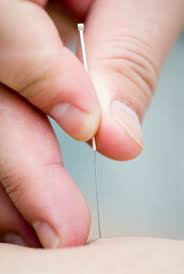
Researchers have just released the results of a new study called “The Effects of Acupuncture on Weight-Loss in Over-Weight and Obese Adults Over 24 Years Old.”

This study has been called “groundbreaking” because it claims that 95% of the participants lost weight over the six week trial.  Even after they stopped receiving acupuncture treatments, 50% of the men and women in the study continued to lose weight.

The study’s subjects lost an average of one to two pounds per week without making any concerted changes to their diet or exercises regimens.

According to one participant, “The study helped with my energy levels and with my appetite. I now sleep soundly and wake up refreshed.” Source: https://www.lef.org/news/LefDailyNews.htm?NewsID=10370&Section=Nutrition

We believe strongly in the power of acupuncture (Natural Eye Care’s founders are both licensed acupuncturists!).  Acupuncture can also help those with allergies and sensitivities as well as diabetes.  Learn more about managing weight loss.

Diabetes Related Hospitalizations On the Rise For Young Women

person on bathroom scale
Image courtesy of genome.gov

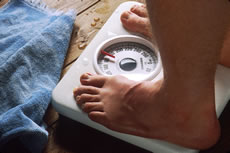
Over a fourteen year period (1993-2006) diabetes related hospitalizations increased by 66%.  This study, published in the Journal of Women’s Health, shows an even more marked increase for people in their 30s.  Diabetes related hospitalizations for both men and women nearly doubled, but women were 1.3 time more likely to be admitted than their male counterparts.

According to study authors, this discrepancy could be due to women receiving less preventative care for their diabetes.  Pregnancy can be a factor on the development and progression of diabetes, but this study shows that impending motherhood is not the main culprit.  Researchers blame these figures on high obesity rates in the age 20-39 female segment of the population and less aggressive medical management of women’s cases of diabetes.

Source: https://www.medicalnewstoday.com/articles/204245.php

For more information about how to control and prevent diabetes naturally, visit our website.

Also, learn more about how to prevent the related condition, diabetic retinopathy.

Are Grains Always Good For You? Potential Diabetes Risk


Though we have often heard that whole grains are an essential part of a healthy diet, but this may not be true for everyone. According to Dr. Mercola, over 85% of Americans have trouble controlling their insulin levels which is related to the development of diabetes.

Eating carbohydrate-containing foods, whether high in sugar or high in starch (such as bread – even organic, whole-grain bread, potatoes, processed breakfast cereals, and rice), temporarily raises blood sugar and insulin levels. The blood sugar-raising effect of a food, called its “glycemic index,” depends on how rapidly its carbohydrate is absorbed. People eating large amounts of foods with high glycemic indices, have been reported to be at increased risk of type 2 diabetes.

However, diets high in total carbohydrates do not necessarily increase the risk of type 2 diabetes and some studies have found no independent relationship between sugar intake and the development of glucose intolerance.

For more on natural diabetes treatment and prevention as well as information on the related condition diabetic retinopathy, please visit our website.

Diabetes Drug Can Cause Bladder Cancer According to FDA

capsules and pills
Image courtesy of Iowa.gov

The U.S. Food and Drug Administration is examining a potential link between the diabetes drug Actos or pioglitazone and an increased risk of bladder cancer.  Patients who have taken this medication to help control their type 2 diabetes for more than two years have an elevated risk of developing cancer of the bladder, but the FDA did not announce how great this risk might be.  They have not gone so far as to tell doctors to stop prescribing it or recommending that patients stop taking it.

Learn more about the symptoms and causes of diabetes mellitus and natural diabetes treatment options.

Blueberries Help Prevent Diabetes and Macular Degeneration

blueberries
image courtesy of USGS

New research published in the Journal of Nutrition shows that the bioactive ingredients in blueberries may help people fend off diabetes.

A study of people who were at risk for diabetes (obese and insulin-resistant but not yet diagnosed with diabetes) showed that consuming smoothies rich in blueberry bioactives twice per day for 6 weeks showed a 22% change in insulin sensitivity.  This was the first study of its kind to indicate that the nutrients in blueberries can help regulate insulin levels in at-risk adults.  It is believed that the flavonoids in blueberries – in particular anthocyanins and flavanols – are responsible for this positive effect.

Source: Nutraingredients

Blueberries are also great for the eyes as they are rich in antioxidants.  Studies have linked blueberries and other antioxidants to the prevention of macular degeneration.