
 2016
2016
Researchers were able to detect evidence of Alzheimer’s development in mice even before detection of plaque build-up was possible. By using a light flashed into the eyes of mice and evaluating the patterns of reflected light they could see clear evidence of changes in the brain – changes that would naturally develop as beta amyloid plaque later developed in the brain. The technique has not been expanded for humans yet (as of June, 2016) but is now beginning phase I trials.[1. Swati S. More, et al, Early Detection of Amyloidopathy in Alzheimer’s Mice by Hyperspectral Endoscopy, Investigative Opthalmology & Visual Science, June, 2016.]
Continue reading “Eye Tests May Predict Early Alzheimer’s Disease”
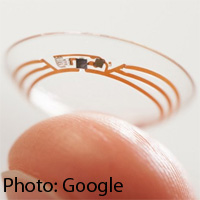 Google has announced plans to build a contact lens that can monitor blood sugar levels. The device that may come replete with miniature, flexible electronics, sensors and antennae. The lens would keep track of blood sugar levels via human tears. Google’s contact lens would be able to alert wearers when their blood sugar levels are too high or too low. For diabetics, this could theoretically free them from the need for frequent finger pricks to check blood sugar. It could also give them tools to better manage their blood sugar. Diabetes can lead to
 A traditional herb has been getting a lot of attention from researchers lately. Ginseng! It came from the Appalachians and Ozarks, where it was used by American Indians as a medicinal herb. In the 1700s, it was sold extensively to Asian traders who promoted its cultivation in China and Korea. It is now cultivated commercially in the Eastern US and upper Midwest.

 It’s important to check with your doctor if you are suffering from chronic head pain. However, there are some natural remedies you may find helpful.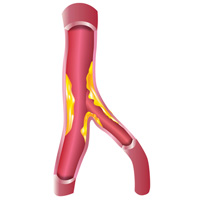
 In a new study that examined the association of cerebrovascular disease with a wide variety of neurodegenerative diseases, the strongest correlation was found to be with Alzheimer’s disease. Researchers from the Perelman School of Medicine at the University of Pennsylvania found that the link was strongest in younger Alzheimer’s patients, in whom the effects of cerebrovascular disease were most pronounced.