
 Methylsulfonylmethane, known as MSM, is commonly utilized in the form of MSM eyedrops or powder in vcaps to be taken as a supplement. It is well known for its anti-inflammatory capacity, documented by researchers. Scientists are documenting substantiating research and finding new uses.
Anti-Inflammation
MSM inhibits inflammasomes, which are protein formations that stimulate production of lymphocytes (white blood cells). It also inhibits the activity of ‘pro-cytokines’ which promote inflammation throughout the body, creating health-damaging fevers and causing tissue death and shock.1 This effect of MSM is useful in reducing the tissue swelling that damages the optic nerve, causes eye soreness of dry eyes and Sjogrens syndrome and other inflammatory-related conditions.
 Exposure to electromagnetic fields has been considered a potential contributor or cause to many chronic illnesses for about 20 years. What is becoming more apparent is that EMF pollution when combined with toxins and poor diet makes chronic disease more likely.
 Past studies looking for an association between glaucoma and Alzheimer’s disease have been inconclusive. However, a recent 2015 large study of 7770 Alzheimer’s patients found such an association, specifically with women.
 A pilot study has found that for patients who were not responding well to depression medication, adding the over-the-counter supplement S-adenosylmethionine (SAMe) improved their condition. The research appeared in the April 2015 edition of Advances in Integrative Medicine, a peer-reviewed journal.
 Everyone is sensitive to light to some degree, but light sensitivity, or photophobia is an abnormal intolerance for light. Discomfort can be experienced from light sources such as sunlight and fluorescent or other artificial lights. It may cause the person with light sensitivity to squint or to have to close their eyes. It can cause pain and/or tears. In some cases, this may be accompanied by a headache.

 Do you have high blood pressure or hypertension? If so, take a look at these foods you should avoid due to their high sodium content. The upper limit of sodium per day is 2300 mg (1 teaspoon). Too much sodium does direct damage to the heart and arteries and raises blood pressure significantly.
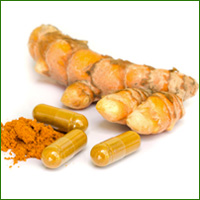 Research on turmeric spice indicates its potential to fight depression, cancer, diabetes, and neurodegenerative disease. The bright yellow spice, which lends color and flavor to mustard, curry, and other foods, also contains highly beneficial chemicals like curcumin.