
 Does Alzheimer’s disease cause poor sleep, or is it the other way around? Researchers at Oregon Health and Science University are conducting a study to find out. The results might show that poor sleep leads to Alzheimer’s. If so, this study may help determine who is at highest risk of developing the disease.
Alzheimer’s disease is marked by the build-up of plaque and tangles in the brain. This causes neurological damage. Early symptoms include short-term memory loss. Later, language
problems, disorientation, motivation loss, moodiness, difficulty caring for oneself and behavioral problems arise.
Continue reading “Could Poor Sleep Quality Cause Alzheimer’s Disease?”
 Astaxanthin is an extremely powerful antioxidant that is sometimes overlooked. It protects the body from free radical damage. Ten times more powerful than beta-carotene, astaxanthin is a carotenoid that can cross the blood-brain barrier[1. Tso and Lam 1996]. This means it can reach the retina and macula of the eye.
 Middle-aged people and seniors are far more likely to develop Macular Degeneration, glaucoma, cataracts and diabetic retinopathy than those in their youth. It is true that some eye diseases strike the young. These tend to be genetically-based diseases, and they are rare. The incidence of eye diseases in the United States goes up dramatically with age:
 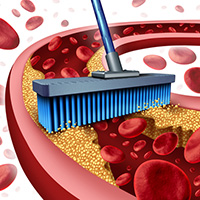 Some patients with dry Age-Related Macular Degeneration (ARMD) have vision improvements after taking high doses a statin. The common cholesterol-lowering drug is called Atorvastatin. It is the statin drug used in a phase I/II clinical trial at Massachusetts Eye and Ear at Harvard Medical School and the University of Crete. A higher-than-normal dose of the drug caused lipid deposits behind the retina to dissolve in some patients.
 Retinal Vein Occlusion is the blockage of veins that drain blood from the retina in the eye. The eye circulatory system depends on releasing blood back to the heart after it has nourished the retina. When the vein is blocked, hemorrhaging occurs, damaging the retina. It is typically caused by atherosclerosis, a common condition especially in older people that damages the arteries. “Occlusion” means the blockage or closing of a blood vessel.
 Researchers at Oregon State University found a link between chronic inflammation, immune dysfunction and zinc deficiency. [1. “Zinc deficiency enhanced inflammatory response by increasing immune cell activation and inducing IL6 promoter demethylation.” Carmen P. Wong, Nicole A. Rinaldi and Emily Ho. Molecular Nutrition and Food Research. Article first published online: 17 MAR 2015 DOI: 10.1002/mnfr.201400761] Inflammation is involved in cardiovascular disease and other diseases.
 Age-Related Macular Denegation is a significant cause of vision loss that can often be managed and even improved through targeted nutritional support. It affects mostly people over age 50. While the precise cause of ARMD is not clear, oxidative damage is suspected as being a major factor. It strikes the elderly possibly due to poor diet and nutritional intake over a lifetime, less efficient absorption of nutrients and poor circulation as the body ages. The care needed by vision-impaired elderly could become overwhelming. Let’s take a look at some of the newest research in preventing macular degeneration, as well as treatment and support options.
 Carotenoids have been shown to protect against oxidative damage, which can prevent both
 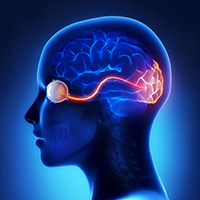 Optic neuritis is swelling and inflammation of the optic nerve that can cause eye pain, visual impairment, dull colors, and/or flashing lights. Since the optic nerve carries visual information to the brain, any symptoms of optic neuritis should be checked by a doctor immediately. If a patient has just one incident, chances are good that they will fully recover. However, inflammation of the optic nerve can be the first sign of multiple sclerosis, a serious degenerative disease.
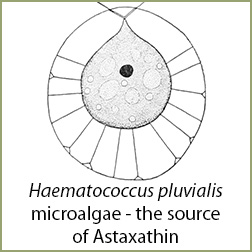 A humble micro-algae produces a powerful antioxidant: astaxanthin. It does so to protect itself from ultraviolet radiation. Research shows that astaxanthin protects the human eyes and brain from serious diseases such as age-related macular degeneration and dementia, including Alzheimer’s disease, as well as conditions like computer eye strain and eye fatigue (asthenopia)[3.