
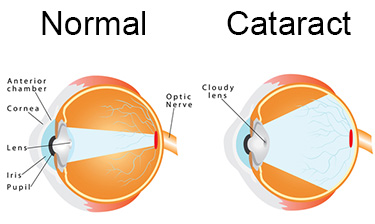
 A breakthrough operation has regenerated the lenses of 12 children using stem cells. Cataracts are a clouding of the lens that typically occurs in the elderly. It is the leading cause of blindness (left untreated).
Standard treatment of cataracts is inserting an artificial intraocular lens. However, this requires waiting until the cataracts “ripen”, or cataract surgery is often recommended Continue reading “Lenses with Cataract Regenerated Using Stem Cells”
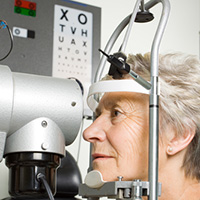 Examining the eyes of animals has revealed a test for very early Parkinson’s Disease. This research may translate into an eye test for humans. If so, it offers hope to the 1 in 500 people worldwide who will develop Parkinson’s by allowing treatment to slow the condition in its earliest stages.
 Acupuncture has been used for millennia to treat eye disease. Today, acupuncture can help preserve vision for those with a wide range of eye conditions including macular degeneration, glaucoma, eye floaters, dry eyes, cataracts and much more. Part of Traditional Chinese Medicine, acupuncture involves a practitioner inserting tiny needles into the skin. It is licensed and regulated by most states in the US. How does acupuncture work, and what are its effects on supporting eye conditions? What could you expect from acupuncture treatments? What can you do at home?
 Low antioxidant levels in eye tissue are directly correlated to incidence of macular degeneration. A small study found a relationship between low intake of antioxidants and advanced Age-Related Macular Degeneration. Macular Degeneration is an eye disease associated with aging. Many middle-aged and elderly individuals seek to prolong good vision and prevent eye disease.
 The role of supplemental oxygen in diabetic macular edema was the subject of a pilot study in 2004. Diabetic macular edema or DME is a side-effect of diabetes. DME occurs when retinal blood vessels leak into the macula apparently trying to provide more oxygen to the retina. This leakage causes swelling, which, in turn, causes part of central vision to become blurred.
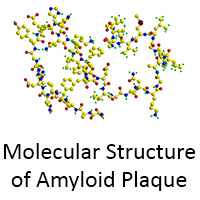 The presence of amyloid plaque deposits in the brain are characteristic Alzheimer’s disease. The condition presents as amyloid plaque deposits, tangles in the brain neurons, poorly functioning nerve synapses and nerve cell deterioration. Alzheimer’s is linked to
  Does Alzheimer’s disease cause poor sleep, or is it the other way around? Researchers at Oregon Health and Science University are conducting a study to find out. The results might show that poor sleep leads to Alzheimer’s. If so, this study may help determine who is at highest risk of developing the disease.
 Cornea transplant surgery involves removing a damaged or diseased cornea, and replacing it with tissue from a deceased donor. All or part of the cornea may be replaced. In the United States, eye surgeons do approximately 33,000 corneal transplants (keratoplasty) per year. The surgery might be recommended if vision is seriously impaired by scarring from an injury, or eye diseases such as Fuchs’ Dystrophy, Lattice Dystrophy, or Keratoconus.
 Stargardt’s Disease and Retinitis Pigmentosa are genetic eye diseases that involve the metabolism of vitamin A. However vitamin A has a different impact on the course of each disease. A recent study[1. BMC Ophthalmol. 2016; 16: 13. “Dietary profile of patients with Stargardt’s disease and Retinitis Pigmentosa: is there a role for a nutritional approach?” by Francesco Sofi et. al.] examined the total intake of vitamin A in both types of patients. It found that: