
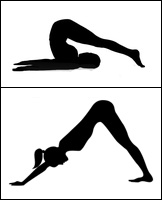
 Yoga is generally considered a perfect exercise for overall health; however, head-down positions may be harmful to glaucoma patients. A small study at a yoga studio found that positions that put the head downward increased intraocular pressure. The positions studied were Adho Mukha Svanasana, Uttanasana, Halasana and Viparita Kirani.
Intraocular pressure is associated with glaucoma, a serious and degenerative eye disease. During a standard eye exam, this pressure is often used as a screening. Continue reading “Head-down Yoga Positions Could Aggravate Glaucoma”
 There are often toxins in cosmetics and personal care items that you use daily. 87% of likely voters in 2016 want better regulation of personal care products. The cosmetics, cleansers, shampoos, soaps, toothpastes, sun-screens, skin treatments and whatever else we might put on our skin, hair or nails often contain toxins. We absorb toxins through our skin so this is important. Of course, some people are more sensitive than others, but even so it is a good idea to pay attention when we shop.
 Scientists are putting significant focus on Age-Related Macular Degeneration in their research. This eye disease strikes mostly older adults, over aged 50. The “Baby Boomer” generation is well above age 50, as are their living parents. Understanding the causes and potential treatments for Macular Denegation (ARMD) are important, because vision-impaired elderly people need extra help with their daily activities. Also, quality of life is lowered when vision is poor.
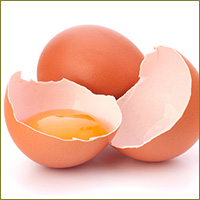 Lutein absorption can be improved by adding solid-lipid particles to the formula. What does that mean? Lipids are fats and solid-lipids are fats which are solid at room temperature. Researchers have noted that lutein from egg yolks is more readily absorbed than the ester form of lutein. Researchers wanted to know whether combining ester lutein with egg-like phospholipids and fatty acids would improve its absorption rate.
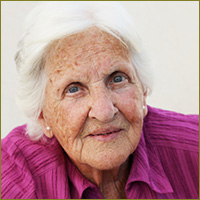 Age-Related Macular Denegation is a significant cause of vision loss that can often be managed and even improved through targeted nutritional support. It affects mostly people over age 50. While the precise cause of ARMD is not clear, oxidative damage is suspected as being a major factor. It strikes the elderly possibly due to poor diet and nutritional intake over a lifetime, less efficient absorption of nutrients and poor circulation as the body ages. The care needed by vision-impaired elderly could become overwhelming. Let’s take a look at some of the newest research in preventing macular degeneration, as well as treatment and support options.
 Antioxidants have been studied as a way of preventing eye diseases such as macular degeneration and cataracts. Oxidative damage (free radical damage) may be a contributing cause of these diseases. People concerned about developing these problems may consider taking both dietary and supplemental
 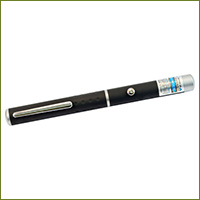 Lasers are common in toys and laser pointers, but improper use can result in vision damage or accident-causing temporary blindness. The US Food and Drug Administration regulates lasers, and they classify them according to strength. The stronger they are, the more damage they can do.
 Americans spend about 1/3 of their waking hours on smartphones; young Americans spend even more. Research finds that we spend almost twice as much time as we think we do and more than half of that time is in short bursts of less than 30 seconds.
 Chinese scientists have identified nutrients that come from marine algae that may prove to provide even better support for vision health problems due to
  Turmeric’s ability to support the body has been well-researched; however, this spice by itself is difficult for the body to absorb. This bright yellow spice is also called curcumin, and it contains a prized antioxidant. Research is verifying