
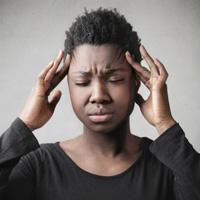
 It’s important to check with your doctor if you are suffering from chronic head pain. However, there are some natural remedies you may find helpful.
Exercise
Studies find that aerobic exercise is as effective at preventing migraines as the migraine medication topiramate. A study Continue reading “Natural Relief from Migraine Headaches”
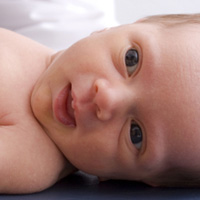 The developing pre-natal eye requires light that passes through the body and into the womb, according to recent animal research. Mice that had no access to light during pregnancy gave birth to offspring whose eyes were not developed correctly. This indicated that small amounts of light are necessary, during gestation, to control eye blood vessel growth.
 A study has found that a type of glaucoma called “low-tension” may be helped using gingko biloba extract, a natural supplement.
 You may have heard that medical marijuana is sometimes used by glaucoma patients. When most people in the United States think of marijuana, many different images, words, and opinions come to mind. Marijuana, or cannabis, is known for its psychoactive effects and medicinal properties caused by a chemical within the plant called tetrahydrocannabinol, also known as THC. Marijuana is most commonly recognized as a recreational drug and is subject to many legal restrictions ranging from its use, to possession of certain amounts of the plant product.
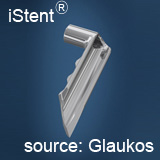 The FDA has approved a patented device called the iStent® Trabecular Micro-Bypass Stent that helps reduce eye pressure from glaucoma in patients who also have cataracts. The new device addresses the fact that 90 of patients with glaucoma are not compliant with their glaucoma eye drop instructions, and half stop using their drops after 6 months. iStent allow patients to use eye drops less often, and may even make the drops unnecessary.
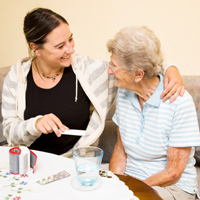 Guest Blogger, Richard Keane
 As people age, eye diseases and conditions that commonly occur include macular degeneration, cataracts, vitreous tears/retinal tears and detachments, glaucoma, diabetic retinopathy, dry eyes, and eye floaters.
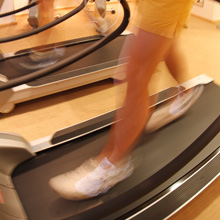 Want to reduce your risk of glaucoma? Stay physically active. A study in the Investigative Ophthalmology & Visual Science Journal showed that higher levels of activity seems to have a beneficial impact on ocular perfusion pressure (OPP). OPP is a crucial risk factor for developing glaucoma.
 Standard glaucoma treatment depends on adherence to a program of medication and medical appointments. A recent study indicated that an interactive, automated series of phone calls to glaucoma patients increased compliance with their treatment. However, the control group who received no calls had equally good compliance, indicating further research is needed.