
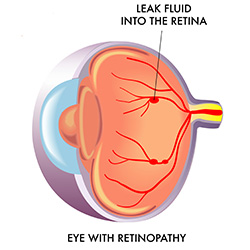
 Macular degeneration and diabetic retinopathy have something in common. Although the indirect causes may be different, a consequence of untreated AMD or untreated diabetes is similar. Untreated, both conditions may result in macular microbleeding, in which abnormal capillaries develop (angiogenesis) that leak fluid or blood into the retina. A holistic approach may reduce the risk of the development of abnormal blood vessels bleeding into the retina and destroying vision
Why Angiogenesis is a Problem
Let’s consider dry and wet (advanced) macular degeneration. AMD is basically a form of “starvation of the retina,” particularly the age-related form, in which essential nutrients are not reaching their target. Insufficient delivery can be due to some combination of a poor diet, lack of exercise, issues with absorption, poor circulation, candida, or chronic inflammatory conditions such as rheumatoid arthritis.
Since the function of blood is to deliver oxygen and nutrients, one might reasonably think that growing new blood vessels would improve the ‘starvation’ issue, and that would be the intention of angiogenesis, but it’s not quite that simple. Angiogenesis occurs in an effort to deliver deficient nutrients to the retina, but unfortunately, these blood vessels are poor in quality and end up leaking. They also distort the delicate structure of the macula.
 Many of us wear a mask to reduce the spread of COVID-19, but could eye protection such as a face shield also help? Science is close to proving connections between coronavirus SARS-CoV-2 and the eye. When may it be helpful to shield the eyes?
 Researchers have found that certain supplement combinations actually modify how genes and proteins affect the behavior of white blood cells in the retina. They are investigating the reasons why certain supplements are helpful against macular degeneration. The answer may be that compounds in the supplements regulate the white blood cells (macrophage phenotypes).[1. Rinsky B, Hagbi-Levi S, Elbaz-Hayoun S, Grunin M, Chowers I. (2017). Characterizing the Effect of Supplements on the Phenotype of Cultured Macrophages From Patients With Age-Related Macular Degeneration. Mol Vis. Dec 6;23:889-899.]
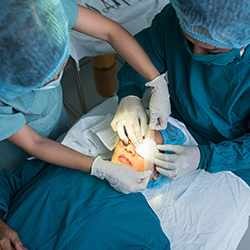 Cataracts are one of the most common eye conditions among seniors. A cataract results in clouding the vision, and eventually causes blindness if not treated. The conventional approach to cataracts is to wait and see if it gets worse. When a cataract is advanced, an eye surgeon usually offers cataract surgery. Cataract surgery uses artificial lenses that correct any clouding due to a cataract. It can correct certain refraction errors at the same time. However, not everyone is a good fit for this treatment. Which nutrients help promote healthy lenses and overall eye health? What does recent research into cataract pharmacotherapy show? And, which combinations of nutrients are the most effective for lens support?
  More of us experience computer eye fatigue than ever before. We spend more time on the computer or on our digital devices. Technically, digital eye strain is marked by eye discomfort, digital disturbance such as light flashes, double vision, difficulty in focusing, etc, or headaches and migraines. In the case of any sudden change in your vision it is important to consult your medical professional.
 Red, itchy, watery eyes are common in the spring, when allergies and hay fever strike. Sometimes we wake in the morning and what we notice most is that our eyes are itchy and sore. This may be due to a combination of seasonal allergen sensitivity and tired eyes from computer eye fatigue.
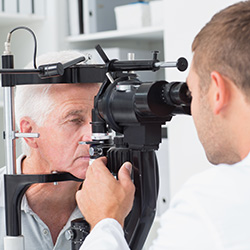 Getting a thorough eye exam has always been about more than reading letters off an eye chart. That is even truer today. One reason: We are harder on our eyes than ever before. Many of us spend hours each day staring and squinting at screens, developing digital eyestrain, and exposing our eyes to potentially damaging blue light.
 What are phytochemicals?
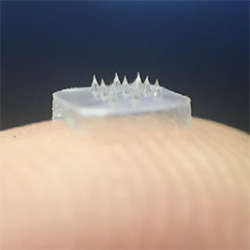 Instead of getting eye injections, patients with serious eye diseases may in the near future be eligible for a contact lens-type patch.[1. Aung Than, Chenghao Liu, Hao Chang, Phan Khanh Duong, Chui Ming Gemmy Cheung, Chenjie Xu, Xiaomeng Wang, Peng Chen. Self-implantable double-layered micro-drug-reservoirs for efficient and controlled ocular drug delivery. Nature Communications, 2018; 9 (1) DOI: 10.1038/s41467-018-06981-w] Injections are often recommended for eye diseases such as Wet (advanced) Age-Related Macular Degeneration, macular edema, and diabetic retinopathy. The new patch is inserted painlessly like a contact lens. It delivers tiny microneedles containing medication. The microneedles are made from natural materials and dissolve over time, gradually releasing medicine. Patients would be more likely to stick with a regimen that does not involve eye injections.