
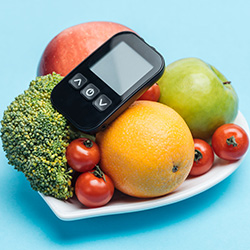
Diabetic Retinopathy is damage to the retina from poor blood sugar control. All types of chronic diabetes can cause retinal damage. The retina, at the back of the eye, is neural tissue. Tiny blood vessels, called capillaries, in the retina swell and leak. How often should diabetic patients visit their eye doctors? What are the four stages of diabetic retinopathy?
Continue reading “Diabetic Retinopathy: The Four Stages”

 Glaucoma is an eye disease typically associated with high intraocular pressure, but managing glaucoma is more than decreasing eye pressure. Some cases of glaucoma have normal or low intraocular pressure. Natural approaches to glaucoma care, in addition to standard ophthalmology, can help reduce vision loss. The purpose of treatment is to slow down the damage. What are the symptoms of glaucoma? What causes it? How is glaucoma detected? What is the prognosis? How can decreasing intraocular pressure help? And how can you try to reduce vision loss?
  As the New Year approaches, resolve to improve your vision health. Dr. Marc Grossman and Michael Edson, co-authors of Natural Eye Care 2nd Edition, developed this checklist of New Year resolutions for vision health. Pick one or more resolution. Regardless of your age, you can reduce your risk of developing eye disease. Eye disease such as cataracts, macular degeneration, and glaucoma are prevalent in seniors. A few simple steps can help preserve the precious gift of sight.
 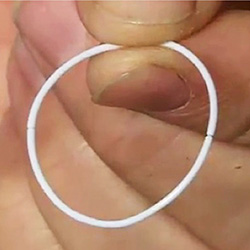 A new medicated ring could replace drops for open-angle glaucoma patients. Impregnated with the glaucoma drug Bimatoprost, the flexible ring is inserted under the eyelids. The Bimatoprost Ring works for six months, delivering pressure-reducing medication directly to the eye. Glaucoma patients currently depend on medicated drops, multiple times per day, to control their condition. Up to half of glaucoma patients do not use their drops correctly. Therefore, a long-acting medicated glaucoma ring could improve their prognosis.
  Docosahexaenoic acid or DHA is a naturally-occurring chemical, so why might seniors need to supplement it? Our bodies create small amounts of this omega-3 fatty acid. DHA from the diet, such as seafood, also counts. Docosahexaenoic acid is crucial to brain development in infants, and it is found in large quantities in the brain and retina. Researchers have found that consuming extra DHA can fight eye disease. How much docosahexaenoic acid do you need to get these effects? Can you get enough through your diet, or do you need to supplement DHA for optimum health?
 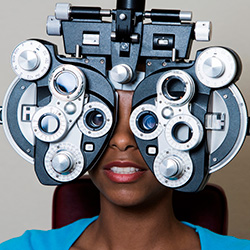 Regular eye exams improve quality of life, but how often do you need an eye exam? No one wants to waste time and money on unnecessary vision screenings and exams. On the other hand, eye exams can catch minor problems before they become major problems.
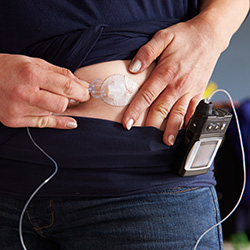 A preliminary study may point to blood sugar variability as an independent risk factor for diabetic neuropathy. Although the study involved only 40 adult patients, this type of research may emphasize the importance of leveling out blood sugar readings. Diabetic neuropathy is permanent nerve damage caused by sugar in the blood vessels. This condition can damage any nerves in the body. When high blood sugar damages the optic nerve in the eyes, it is called “diabetic retinopathy.”
  How can you save your vision regardless of your age? Eye disease is prevalent in seniors; however, people of all ages can take steps to protect their eyes. Here is Natural Eye Care’s guide to preserving the precious gift of sight.