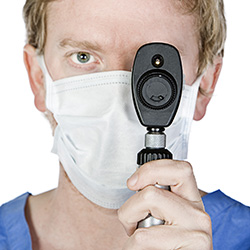
 Cataracts can not only be prevented, but can even be reversed through nutrition, supplementation and lifestyle changes. Learn about products to support lens health.
Cataracts were once considered an inevitability for seniors. In the United States, only 10% of 55-year-olds have experienced cataracts. However, half of 75-year-olds have developed cataracts and at age 85, the number is 70%.[1. National Eye Institute. Cataracts. Retrieved Jan 7, 2018 from https://nei.nih.gov/eyedata/cataract.] Continue reading “Cataracts – what’s new?”
 People with vision loss due to retinal disease may be able to use a bionic system to improve sight in the near future. Pixium Vision is running a feasibility study on is PRIMA System, and they got better-than-expected results. The study is on patients with dry Age-Related Macular Degeneration. Currently, medical science cannot restore vision in those with retinal dystrophies. The PRIMA System may lead to vision restoration for patients with Macular Degeneration, Retinitis Pigmentosa and other retinal diseases.
  Astaxanthin is a potent antioxidant that helps prevent sun damage to the body by blocking free radical damage. This bright red molecule forms in certain algae, pink seafood, and yeast. Unlike beta-carotene, this carotenoid crosses the blood-brain barrier to help maintain healthy brain function. Astaxanthin helps the brain by promoting neurogenesis, the generation of new brain neurons. This nutrient also supports existing neurons by reducing oxidative stress. Scientists have found that astaxanthin can protect against cumulative sun damage to the eye. This nutrient may help reduce the risk of eye disease such as macular degeneration. It may also protect against cataracts and vision loss from glaucoma. In addition, related carotenoids called lutein and zeaxanthin block blue light and work synergistically with astaxanthin.
  Diabetic retinopathy is a vision-stealing effect of diabetes. What causes diabetes, and how can you prevent it? Can diabetic patients prevent this eye disease? What can you do to halt diabetic retinopathy? How can patients preserve their vision?
 Scientists recently discovered a fat molecule that they called “palmitoleic acid”, a type of Omega-7 fatty acid. The substance appears to have special anti-inflammatory properties. Omega-7 occurs in certain fish oils and nuts. You may have heard of Omega-3 fatty acids, which come mostly from cold water fatty fish. Omega-3s reduce inflammation and heart disease risk. Omega-6 fatty acids occur in primarily in nuts and seeds, vegetable oil and grains. Omega-6 fatty acids are polyunsaturated fats. Omega-7s are monounsaturated fats, similar to olive oil. How are these types of fats different? What makes palmitoleic acid so important for preventing Type 2 diabetes and metabolic syndrome? Should you get them through food or supplements? How much should you take?
  According to a small study published in the Journal of Glaucoma, a short course of mindfulness meditation reduced intraocular pressure (IOP) in patients with primary open angle glaucoma (POAG). The practice also normalized stress biomarkers and positively modified gene expression. Mindfulness meditation may be a therapeutic resource to reduce IOP and help glaucoma patients.
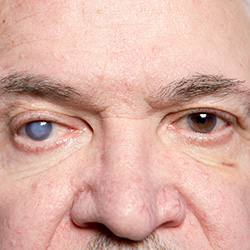 A study conducted in North India found that people with low levels of antioxidants had higher levels of
 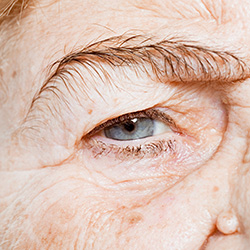 A study, led by Dr. Daniel Martin, an ophthalmologist at the Cleveland Clinic’s Cole Eye Institute, has found that the cancer drug Avastin (bevacizumab) offers macular degeneration patients the same benefits as the drug Lucentis (ranibizumab), which was specifically formulated to treat the disease.
 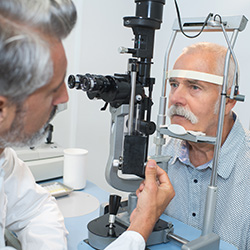 Mirtogenol® has been shown to reduce eye pressure, which is a risk factor and symptom of glaucoma. A combination of bilberry extract and French maritime pine bark, Mirtogenol was the first nutrient combination shown to support healthy eye pressure. Glaucoma is the leading cause of blindness in the world. By reducing intra-ocular pressure (IOP), Mirtogenol naturally supports glaucoma. Glaucoma leads to irreversible optic nerve damage and vision loss. Dr. Marc Grossman, OD, L.Ac. and author of “Natural Eye Care: Your Guide to Healthy Vision and Healing” has released a new Eye Pressure Support Ease Formula With Mirtogenol Plus.