
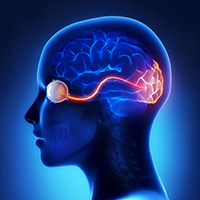
 Optic neuritis is swelling and inflammation of the optic nerve that can cause eye pain, visual impairment, dull colors, and/or flashing lights. Since the optic nerve carries visual information to the brain, any symptoms of optic neuritis should be checked by a doctor immediately. If a patient has just one incident, chances are good that they will fully recover. However, inflammation of the optic nerve can be the first sign of multiple sclerosis, a serious degenerative disease.
One of the dangers of this problem is that the optic nerve can lose some of its myelin. The myelin sheath is fatty tissue that protects the nerves. When the myelin sheath is compromised, the nerves can be damaged. This is one important reason to consult Continue reading “Optic Neuritis: A Complete Overview from Natural Eye Care”
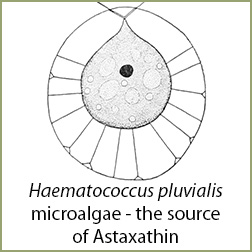 A humble micro-algae produces a powerful antioxidant: astaxanthin. It does so to protect itself from ultraviolet radiation. Research shows that astaxanthin protects the human eyes and brain from serious diseases such as age-related macular degeneration and dementia, including Alzheimer’s disease, as well as conditions like computer eye strain and eye fatigue (asthenopia)[3.
  Electronics have become primary obsessions in our personal and work lives. This has lead to nearly everyone becoming susceptible to Computer Vision Syndrome. Symptoms include dry eyes, eye strain, blurred vision, headaches, double vision, difficulty in concentrating, fatigue and/or and head, neck and shoulder pain.
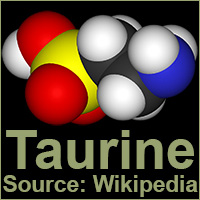 Your body is 1/1000th taurine, a chemical essential to life. The amino acid taurine is crucial for vision. It supports function of the heart, skeletal muscle, and the central nervous system.[1] The pancreas produces taurine, and taurine is a major component of digestive bile. The chemical can be ingested from meats, fish and supplements, such as pills and energy drinks.
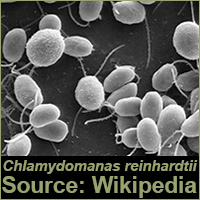 A type of algae offers hope of restoring sight to patients with retinal diseases such as macular degeneration and retinitis pigmentosa. Chlamydomona reinhardtii green algae uses a protein called Channelrhodopsin-2. This protein sits on the membrane of algae and opens or closes a tunnel-like structure in response to light. In essence, it detects light and transmits that information via electricity.
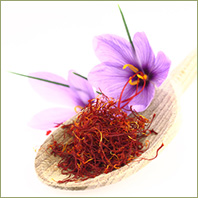 Taking
  Myopia, also called “nearsightedness,” is a common eye condition that requires correction with eye glasses. If severe, it can lead to serious eye conditions. Myopia is a refractive error in which close objects are clear, but distant objects are blurry. This is because the refracted image is in focus in front of the retina. Typically, the myopic eye is elongated; however, myopia can also be caused by a distorted cornea.
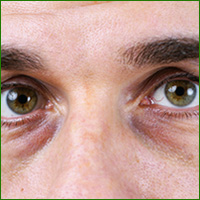 Dark circles under the eyes can make you feel like you look tired or old. They are a major cosmetic concern for both men and women, although women seem to feel the weight of the problem. They are a difficult issue to address because they are caused by a variety of conditions – some of which do not respond well to treatment, diet or lifestyle factors.
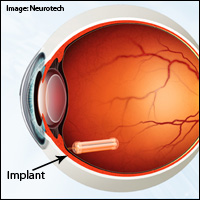 Clinical trials are underway for an implantable device that delivers medication directly to the eyes of people with
  Experiments on mice show promise for a treatment that expresses a light-sensitive human protein, called rod opsin, on the undamaged retinal cells. These cells are turned into photoreceptors, which allow vision.