
 A large study found that people who ate enough leafy greens had a lower risk of getting primary open-angle glaucoma. A large body of research show the positive impact that good nutrition has on vision health. Eating sufficient amounts of vegetables provides the body with important nutrients.
The eye is made from nutrients. Leafy green vegetables are loaded with vitamin K, magnesium, iron, calcium, beta-carotene, carotenoids and other antioxidants, and the eye nutrients lutein Continue reading “Glaucoma Risk Reduction from Leafy Green Vegetables”
 Eye health is important for quality of life. Regular exercise has many significant benefits, including supporting healthy vision. This is especially true for seniors, who are most at risk for eye disease. While you cannot control all risk factors, sedentary behavior is a risk factor you CAN control. Avoiding tobacco and eating a healthy diet are also under your control. Genetics have an influence: a much higher percentage of African Americans have vision loss from glaucoma; non-Hispanic Whites top the charts in Age-Related Macular Degeneration vision loss[1. https://www.aao.org/eye-disease-statistics ].
 Cell Cure Neurosciences in Jerusalem has developed a proprietary stem cell technology that may halt the progress of Age-Related Macular Degeneration. OpRegen[1. https://www.cellcureneurosciences.com/] is currently being tested on patients with the more advanced “wet” form of this disease. If it works out, the technique could ultimately be available to patients with the more common “dry” form of
 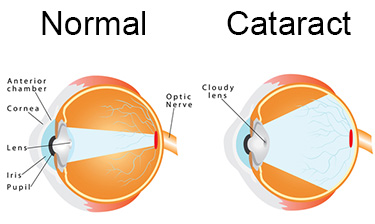 A breakthrough operation has regenerated the lenses of 12 children using stem cells. Cataracts are a clouding of the lens that typically occurs in the elderly. It is the leading cause of blindness (left untreated).
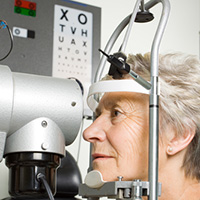 Examining the eyes of animals has revealed a test for very early Parkinson’s Disease. This research may translate into an eye test for humans. If so, it offers hope to the 1 in 500 people worldwide who will develop Parkinson’s by allowing treatment to slow the condition in its earliest stages.
 A long-term study of patients receiving gene therapy shows positive results.[1.New England Journal of Medicine. Visual Acuity after Retinal Gene Therapy for Choroideremia by Robert Maclaren April 27, 2016DOI: 10.1056/NEJMc1509501] Researcher Dr. Robert Maclaren published a letter in the New England Journal of Medicine indicating that 5 out of the 6 patients with a rare genetic eye disease either improved or stayed the same after treatment. This may lead to approval of gene therapy for Choroideremia. This type of research may ultimately result in the approval of gene therapy for other more common eye diseases.
 Aflibercept is currently a treatment for wet Age-Related Macular Degeneration (AMD), but it may also prove useful for patients with dry AMD.
 A small study on glaucoma patients found that relaxation music temporarily improved certain measurements associated with this eye disease. Specifically, daily intraocular pressure was significantly reduced, and best corrected visual acuity improved. Also, short-term mental state was improved.
 Rod-Cone Dystrophy is a genetically-based deterioration of vision caused by damage to the photoreceptors in the eye. Rods and cones are the photoreceptor cells in the retina that give us daytime and night time vision. Genes that provide the blueprint for manufacturing proteins crucial to the eye’s rods and cones are damaged. Without enough of these proteins, vision deteriorates and blindness may result.
 An animal study has shown gene therapy to be effective even in the later stages of retinitis pigmentosa, which gives hope to more patients of this often inherited condition. This eye disease affects approximately 1 in 4,000 people. Up to 20% of these patients have X-linked retinitis pigmentosa. These individuals, mostly male, have night blindness before they enter puberty, and gradual vision loss by middle age. Around 70% of them have a genetic mutation that prevents the correct production of a protein important for the health of the photo receptors.