
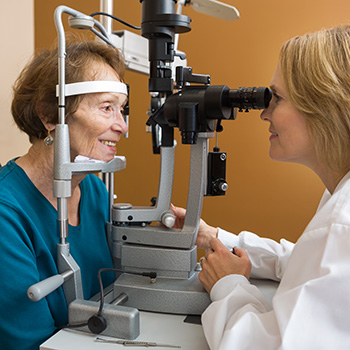
 Did you know that there are three nutrients that are fundamental to visual health? Why are they so important?
The top three nutrients for your eyes (and brain) are lutein, zeaxanthin, and mesozeaxanthin. Lutein, zeaxanthin and mesozeaxanthin are primarily found in the macula, that center part of the retina essential for detailed vision. They are found, not only in the macula, but in all of the retina, in the lenses, and in the aqueous humor. People with macular degeneration, other retinal diseases, and cataracts are deficient in these nutrients.
They are of the phytonutrient carotenoid category, the antioxidants that give fruits and vegetables their color: green in spinach and kale, orange in cantaloupes and oranges, and red in tomatoes. Continue reading “Three Top Nutrients for Eye Health”
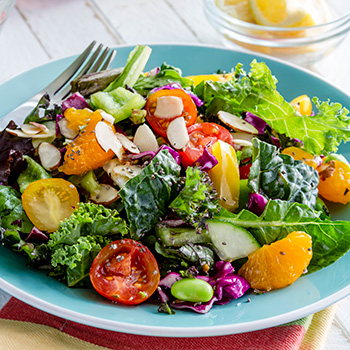 These powerhouses provide a great starting point for your vision nutrition. Lutein and zeaxanthin (along with mesozeaxanthin) are carotenoids, a class of mostly yellow, orange, or red fat-soluble pigments, including carotenes, which give color to plant parts such as ripe tomatoes.
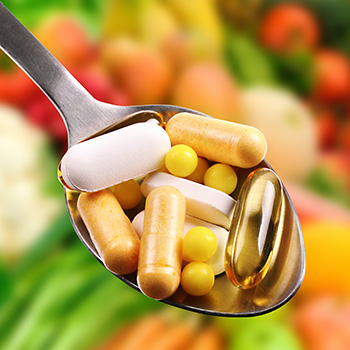 Mesozeaxanthin, less well-known than lutein and zeaxanthin, is the most powerful antioxidant of the threesome, but the combined trio presents the most potent protection for the eye than any of the three carotenoids alone.[1. Li B, Ahmed F, Bernstein PS. (2010-12-01). Studies on the singlet oxygen scavenging mechanism of human macular pigment. Arc Biochem Biophys. 504(1):56–60.] Out of all of the roughly 7000 carotenoids known in nature, it is these three that are found in great concentrations in the macula, the key part of the retina, responsible for central vision.
  The antioxidants lutein and zeaxanthin help keep the eyes healthy. A new study has found that these nutrients also improve the circulation of blood to the brain. Seniors experience gradual cognitive decline. A recent study showed that taking enough of these antioxidants halted cognitive decline. Research supports the idea that nutrition has a direct impact on the brains and eyes throughout one’s lifespan from infancy (breast milk contains lutein) to old age.[1. Johnson EJ. (2014). Role of lutein and zeaxanthin in visual and cognitive function throughout the lifespan. Nutr Rev. Sep;72(9):605-12.]
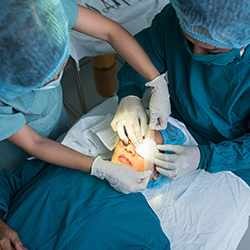 Cataracts are one of the most common eye conditions among seniors. A cataract results in clouding the vision, and eventually causes blindness if not treated. The conventional approach to cataracts is to wait and see if it gets worse. When a cataract is advanced, an eye surgeon usually offers cataract surgery. Cataract surgery uses artificial lenses that correct any clouding due to a cataract. It can correct certain refraction errors at the same time. However, not everyone is a good fit for this treatment. Which nutrients help promote healthy lenses and overall eye health? What does recent research into cataract pharmacotherapy show? And, which combinations of nutrients are the most effective for lens support?

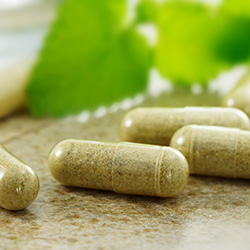 Eye vitamins are crucial to vision health. In fact, the eye is the most vitamin-hungry organ in the body proportional to its size. It is the second most physiologically active part of our body only second to our brain. We believe the eyes require approximately 25% of the nutrients taken into the body to maintain full health. Any less may eventually result in eye diseases such as macular degeneration, glaucoma and cataracts.
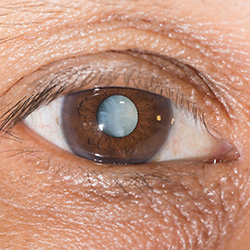 Is it possible to prevent cataracts, or even reverse cataracts? Can you put off cataracts surgery? Cataracts are one of the most common eye diseases in seniors. More and more people have a special “glint” in their eye when the light hits the lens just right. What is the value of preventing cataracts and other eye diseases?
  Carotenoid supplements could mitigate the deleterious effects of electronics screens on sleep, visual performance, and macular pigment density. Eyes that are glued to screens most of the day are exposed to excessive blue light. In a recent study[1. J.M. Stringham, N.T. Stringham, et al. “Macular Carotenoid Supplementation Improves Visual Performance, Sleep Quality, and Adverse Physical Symptoms in Those with High Screen Time Exposure,” Foods, June, 2017], subjects who took a combination of macular carotenoids — lutein, zeaxanthin, and mesozeaxanthin — reported better sleep patterns, reduced eyestrain and fewer headaches. They also had better visual performance and higher macular pigment optical density.