
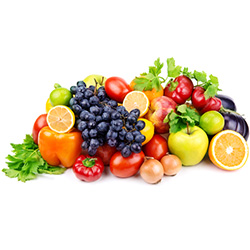
 The links between antioxidants and vision health are strong. Antioxidants are the antidote to oxidization. Normal metabolism creates free radicals. These are atoms that lack an electron. Free radicals roam about the body, scavenging electrons and stealing electrons from healthy cells. This results in permanent damage to these afflicted cells which ultimately can result in disease. Significant research has shown that antioxidants protect against this cellular damage and are essential for maintaining health. The eye is especially vulnerable to free radical damage. Therefore, providing the body with sufficient antioxidants Continue reading “Antioxidants, Eye Disease and Oxidative Stress”
Category: Zeaxanthin
Keep Your Eyes Young and Healthy: Avoid Cataracts, Macular Degeneration, Glaucoma
 As we age, our chances of developing a serious vision problem increase significantly. More than half of people over the age of 70 years old have an eye condition such as cataracts, glaucoma, and macular degeneration; people with diabetes often develop diabetic retinopathy. These limiting conditions decrease the quality of life. Being a retired senior means having time to enjoy life, read, travel, play golf, enjoy hobbies, and socialize with friends and family. However, participating in these activities requires clear vision.
We can learn to help preserve our vision and to become active Continue reading “Keep Your Eyes Young and Healthy: Avoid Cataracts, Macular Degeneration, Glaucoma”
Glaucoma Risk Reduction from Leafy Green Vegetables
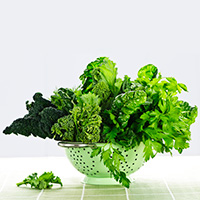 A large study found that people who ate enough leafy greens had a lower risk of getting primary open-angle glaucoma. A large body of research show the positive impact that good nutrition has on vision health. Eating sufficient amounts of vegetables provides the body with important nutrients.
The eye is made from nutrients. Leafy green vegetables are loaded with vitamin K, magnesium, iron, calcium, beta-carotene, carotenoids and other antioxidants, and the eye nutrients lutein Continue reading “Glaucoma Risk Reduction from Leafy Green Vegetables”
Macular Edema: A Complete Overview by Natural Eye Care
 Macular edema is a swelling of the macula, the part of the eye responsible for central vision. When fluid builds up in the macula, it becomes swollen and thicker. This distorts vision. There are several causes, including diabetic retinopathy, post-eye surgery complications, macular degeneration, injury, systemic inflammatory diseases that can affect the eye, and/or vein blockages. If an eye disease causes damage to blood vessels in the retina, it can cause macular edema. Left untreated, this problem can cause serious vision loss and even blindness.
An eye doctor will direct your care should macular Continue reading “Macular Edema: A Complete Overview by Natural Eye Care”
Wet Age-Related Macular Degeneration Linked to Low Antioxidant Intake
 Low antioxidant levels in eye tissue are directly correlated to incidence of macular degeneration. A small study found a relationship between low intake of antioxidants and advanced Age-Related Macular Degeneration. Macular Degeneration is an eye disease associated with aging. Many middle-aged and elderly individuals seek to prolong good vision and prevent eye disease.
Lutein and Zeaxanthin
This study looked at low intake of antioxidants with specific focus on lutein and zeaxanthin. Antioxidants fight free-radical damage. They protect the eyes and body from damage due to free radicals. Their intake was measured by the amount of fruits and vegetables consumed. Lutein and zeaxanthin are carotenoids especially important for vision. They are found in some brightly-colored produce and other foods such as eggs. Carotenoids give fruits and vegetables their color. Continue reading “Wet Age-Related Macular Degeneration Linked to Low Antioxidant Intake”
Sun Protection for the Eyes: Prevent Eye Injuries, Cataracts, ARMD, Surfer’s Eye
 The sun sustains life, but it also can harm our eyes. Unsafe sun exposure causes or may contribute to several eye conditions and diseases. It can also cause eye injuries. Earth’s ozone layer absorbs most of the ultraviolet (UV) light from the sun, but chemicals have damaged it. Therefore, we must take extra precautions to prevent cataracts, age-related macular degeneration, ocular melanoma (eye cancer), and eye injuries such as pterygium (Surfer’s Eye), photokeratitis (snow blindness), and flash blindness. The sun is also a driving hazard when low on the horizon.
The body contains its own “sunscreen,” which is melanin. Dark-skinned people have more melanin and Continue reading “Sun Protection for the Eyes: Prevent Eye Injuries, Cataracts, ARMD, Surfer’s Eye”
Retinal Vein Occlusion: A Complete Overview from Natural Eye Care
 Retinal Vein Occlusion is the blockage of veins that drain blood from the retina in the eye. The eye circulatory system depends on releasing blood back to the heart after it has nourished the retina. When the vein is blocked, hemorrhaging occurs, damaging the retina. It is typically caused by atherosclerosis, a common condition especially in older people that damages the arteries. “Occlusion” means the blockage or closing of a blood vessel.
Symptoms and How Retinal Vein Occlusion Is Diagnosed
A sudden change in vision may indicate retinal vein occlusion.
- A blurred or missing area of vision is the most common, indicating a branch vein occlusion
- Less commonly, there is a severe loss of central vision, associated with a central vein becoming blocked.
Any sudden vision changes should be reported Continue reading “Retinal Vein Occlusion: A Complete Overview from Natural Eye Care”
Rod-Cone Dystrophy – A Complete Overview by Natural Eye Care
 Rod-Cone Dystrophy is a genetically-based deterioration of vision caused by damage to the photoreceptors in the eye. Rods and cones are the photoreceptor cells in the retina that give us daytime and night time vision. Genes that provide the blueprint for manufacturing proteins crucial to the eye’s rods and cones are damaged. Without enough of these proteins, vision deteriorates and blindness may result.
Much of the current research into rod-cone dystrophy is focused on genetic research. Scientists are busy identifying the faulty genes and how they function. Stem cells or other genetic therapy offers hope for a treatment and possibly cure in the future. In the meantime, nutritional and lifestyle choices may Continue reading “Rod-Cone Dystrophy – A Complete Overview by Natural Eye Care”
AMD Research: Part 1
 Age-Related Macular Denegation is a significant cause of vision loss that can often be managed and even improved through targeted nutritional support. It affects mostly people over age 50. While the precise cause of ARMD is not clear, oxidative damage is suspected as being a major factor. It strikes the elderly possibly due to poor diet and nutritional intake over a lifetime, less efficient absorption of nutrients and poor circulation as the body ages. The care needed by vision-impaired elderly could become overwhelming. Let’s take a look at some of the newest research in preventing macular degeneration, as well as treatment and support options.
Symptoms & Diagnosis
Central vision is possible because of the macula. It is a small, yellow-colored Continue reading “AMD Research: Part 1”
How Carotenoid Supplementation Could Prevent Macular Degeneration and Alzheimer’s Disease
 Carotenoids have been shown to protect against oxidative damage, which can prevent both macular degeneration and factors contributing to dementia-related diseases (i.e., Alzheimer’s disease).[1. “Protective Effects of Dietary Supplementation with a Combination of Nutrients in a Transgenic Mouse Model of Alzheimer’s Disease” Shengyuan Wang et al., PLoS One. 2015; 10(11): e0143135. Published online 2015 Nov 25. doi: 10.1371/journal.pone.0143135 PMCID: PMC4659639] Links have been found between these two diseases: patients with dementia were found to have poor maculas and a higher incidence of Macular Degeneration[2. “Macular pigment, visual function, and macular disease among subjects with Alzheimer’s disease: an exploratory study.” Nolan JM et. al. J Alzheimers Dis. 2014;42(4):1191-202. doi: 10.3233/JAD-140507.].
However, these nutrients do not seem to be able to mitigate damage after dementia sets in. Therefore, making sure sufficient amounts of carotenoids are ingested at all ages Continue reading “How Carotenoid Supplementation Could Prevent Macular Degeneration and Alzheimer’s Disease”