
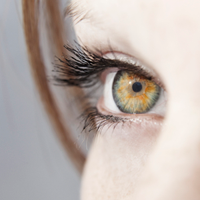
 The eyes are not just the mirrors of our souls – they also reflect many of our diseases. Because they are the only place in the body where you can easily see blood vessels and even part of the brain via the optic nerve, they can be used to detect a number of diseases.
A large study of 120,000 people by the insurance company, VSP Vision Care, found that 34% of diabetes patients first found out about their disease from an eye exam. High blood pressure Continue reading “Using the Eyes to Detect Diseases”

 Research on turmeric spice indicates its potential to fight depression, cancer, diabetes, and neurodegenerative disease. The bright yellow spice, which lends color and flavor to mustard, curry, and other foods, also contains highly beneficial chemicals like curcumin.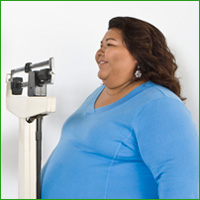
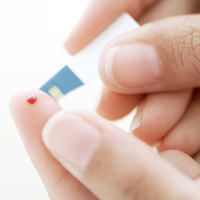
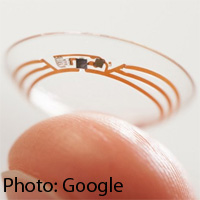 Google has announced plans to build a contact lens that can monitor blood sugar levels. The device that may come replete with miniature, flexible electronics, sensors and antennae. The lens would keep track of blood sugar levels via human tears. Google’s contact lens would be able to alert wearers when their blood sugar levels are too high or too low. For diabetics, this could theoretically free them from the need for frequent finger pricks to check blood sugar. It could also give them tools to better manage their blood sugar. Diabetes can lead to
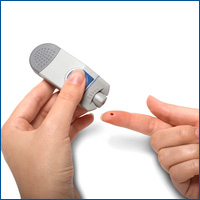 Most people are aware that diabetics are at risk for This is because high blood glucose, or high blood sugar levels, puts people at risk for these problems. Yet, many of us don’t realize that we all need to be concerned about the dangers of high blood sugar levels to our overall health.
 Researchers have found that the anti-diabetic drug metformin reduces the production of inflammatory cytokines. When inflammatory cytokines are produced in excess, they cause inflammation that increases cancer risk and the incidence of other diseases.
 The obesity epidemic may have an impact on the health of the eyes. While scientific studies do not seem to have found a direct link between obesity and eye disease, maintaining a healthy weight supports your overall health and helps prevent diseases that can harm the eyes. Here’s why.
 The macular pigment of the eye is formed by a combination of lutein and zeaxanthin. Lutein is more than just a filter of blue light and an antioxidant. Consider these points about lutein: