
 Middle-aged people and seniors are far more likely to develop Macular Degeneration, glaucoma, cataracts and diabetic retinopathy than those in their youth. It is true that some eye diseases strike the young. These tend to be genetically-based diseases, and they are rare. The incidence of eye diseases in the United States goes up dramatically with age: Continue reading “Eye Disease in Seniors & Age 40+ Cataracts, Glaucoma, Diabetic Retinopathy, Macular Degeneration”
Category: Atherosclerosis
Dry Macular Degeneration May Improve with High-Dose Statin Cholesterol Drug
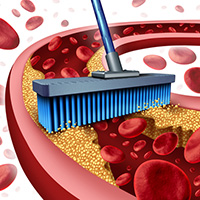 Some patients with dry Age-Related Macular Degeneration (ARMD) have vision improvements after taking high doses a statin. The common cholesterol-lowering drug is called Atorvastatin. It is the statin drug used in a phase I/II clinical trial at Massachusetts Eye and Ear at Harvard Medical School and the University of Crete. A higher-than-normal dose of the drug caused lipid deposits behind the retina to dissolve in some patients.
Statin drugs are FDA approved for controlling blood Continue reading “Dry Macular Degeneration May Improve with High-Dose Statin Cholesterol Drug”
Retinal Vein Occlusion: A Complete Overview from Natural Eye Care
 Retinal Vein Occlusion is the blockage of veins that drain blood from the retina in the eye. The eye circulatory system depends on releasing blood back to the heart after it has nourished the retina. When the vein is blocked, hemorrhaging occurs, damaging the retina. It is typically caused by atherosclerosis, a common condition especially in older people that damages the arteries. “Occlusion” means the blockage or closing of a blood vessel.
Symptoms and How Retinal Vein Occlusion Is Diagnosed
A sudden change in vision may indicate retinal vein occlusion.
- A blurred or missing area of vision is the most common, indicating a branch vein occlusion
- Less commonly, there is a severe loss of central vision, associated with a central vein becoming blocked.
Any sudden vision changes should be reported Continue reading “Retinal Vein Occlusion: A Complete Overview from Natural Eye Care”
Glaucoma Linked to Sleep Apnea and Circulatory Issues

A holistic perspective on health means that we recognize the interrelated nature of the body’s systems. It also means that we understand the connection between the eyes and seemingly unrelated conditions like sleep apnea and circulatory problems.
People who have sleep apnea are 75% more likely to have glaucoma than those without sleep conditions.
Glaucoma is a disease that has a lot to do with blood flow. According to an interview with professor of optometry at the University of Alabama at Birmingham, Dr. Leo Semes, people who have peripheral vascular deregulation (often signaled by chronically cold hands) might mean people are more likely to develop glaucoma.
Source: Modern Medicine
Dr. Semes also cautions people about using beta blockers (drugs often prescribed for high blood pressure or to previous heart attack victims) because “Low blood pressure at night, coupled with high IOP in the supine position, can compromise ocular perfusion pressure.” Several population-based studies have suggested that low diastolic perfusion pressure is associated with an increased incidence of open-angle glaucoma (OAG). For information on drugs that can harm the eyes, have a look at this page.
Beef Recalled in Ten States Due to E. Coli Contamination
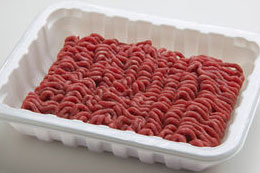
Another round of beef recalls due to potential E. coli contamination has made the news today. Over 14,000 pounds of contaminated ground beef may sit on supermarket shelves in 10 states.
The meat is available under various brand names in Arizona, California, Georgia, Indiana, Iowa, Missouri, North Carolina, Ohio, Pennsylvania, and Washington.
E. coli related infections can cause bloody diarrhea, dehydration, and, in severe cases, kidney failure and most seriously affects the very young, the very old, and those with compromised immune systems. Source: WebMD
This outbreak may cause you to think about cutting back on the meat you consume and considering the benefits of a vegetarian diet. Studies show that moving to an exclusively plant based diet can reverse atherosclerosis (hardening of the arteries), a condition that contributes directly to heart attacks.
Since this is the American Dietetic Association’s National Nutrition Month and the focus is on eating well based the color of your foods (and that means red fruits and veggies, not red meat), why not have a look at their site and think about enhancing your dietary palette (and palate!).
Learn more about how to prevent and treat atherosclerosis naturally.
Vegans Need Dietary Supplements to Prevent Heart Disease
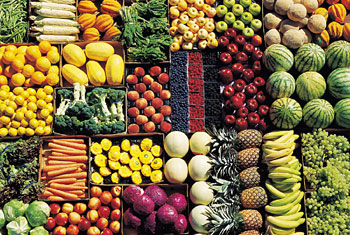
A healthy diet is essential to maintaining your vision. Plenty of fruits, vegetables, and whole grains are key to the health of the eyes and the body as a whole. Generally, we do not believe that eating some meat is detrimental to health, but we support the many who people will choose to follow vegetarian and vegan diets.
A new study focuses on how people who follow vegan diets are likely to be deficient in both omega-3 fatty acids and vitamin B12. They should take supplements of both to ward off heart disease, researchers publishing in the Journal of Agricultural and Food Chemistry. Vegans can potentially run a higher risk of developing blood clots and atherosclerosis (hardening of the arteries), which can lead to heart attacks and stroke.
Historically, medical research indicates that meat eaters are more likely to develop heart disease than vegetarians and vegans, but if people do not eat meat they often have low levels of “good” HDL cholesterol. Taking omega-3 and vitamin B supplements can help offset this risk.
Source: Nutraingredients
Heart Health Depends on Fruit and Vegetable Consumption: New Study
There’s even more science to back up the claim that eating fruits and vegetables will help you fight heart disease.
The European Prospective Investigation into Cancer and Nutrition has published a paper on heart health. Researchers indicate that those who eat at least 8 servings of fruits and vegetables each day are 22% less likely to die of heart disease. A “serving” is equal to a small banana, a medium apple, or a small carrot.
One theory is that the antioxidant micronutrients in fruits and veggies reduce the oxidative damage that causes hardening of the arteries or atherosclerosis. At the same time, it is important not just to take antioxidant supplements but to eat the whole food as other compounds in fruits and vegetables also may protect the heart.
Source: TheHeart.org
Learn more about the nutrients available in whole food sources.