
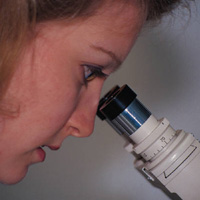
 Researchers have found a layer of tissue in the eye that can self-renew and may provide cures in the future for retinal diseases such as Age-Related Macular Degeneration (ARMD), Stargardt’s disease, Best’s disease, and some types of retinitis pigmentosa. These eye diseases begin in the retinal pigment epithelium (RPE), which is a layer of eye tissue that supports the cells that make vision possible (photoreceptors). When the RPE degenerates, vision is compromised and can result in blindness.
Around ten percent of the cells in the RPE can renew themselves. In essence, they are dormant RPE stem cells. Cures for retinal diseases could lie in coaxing the dormant stem cells into becoming mature RPE cells. This could undo the damage from retinal diseases Continue reading “Eye’s Stem Cells May Provide Key to ARMD, Retinitis Pigmentosa, Stargardt’s Disease”

 Researchers have found that the anti-diabetic drug metformin reduces the production of inflammatory cytokines. When inflammatory cytokines are produced in excess, they cause inflammation that increases cancer risk and the incidence of other diseases.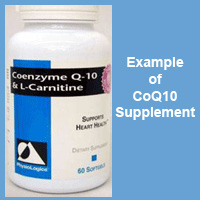
 A study involving more than 2000 participants in Australia has shown an association between regular aspirin use and wet age-related macular degeneration (ARMD). The prospective analysis study involved four examinations over 15 years (1992-1994 to 2007-2009). Subjects filled in a questionnaire at the beginning of the study that recorded aspirin usage, heart disease and risk factors for ARMD. A retinal photograph was taken at each examination to determine whether subjects had wet (neovascular) ARMD and dry (geographic atrophy) ARMD.
 The Food and Drug Administration (FDA) has recommended that the block-buster sleeping pill Ambien (zolpidem) dose be lowered, especially for women, due to negative side-effects. The drug stays in women’s system much longer than in men’s. Too many car accidents the day after taking Ambien have lead to the government agency to halve the recommended dose for women, and re-consider the dose for men.
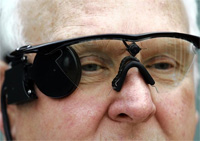 The first implanted device for adults with retinitis pigmentosa has been approved by the U.S. Food and Drug Administration. Called the Argus II Retinal Prosthesis System, the device includes a tiny video camera, a transmitter (on a pair of glasses), and a video processing unit. The patient’s retina is replaced with a prosthesis. The camera wirelessly transmits visual information to the retinal prosthesis to improve vision.
 A fruit cup of mixed berries is a powerful snack: deeply colored fruits are filled with flavonoids and other antioxidants that help protect the body from disease. Antioxidants help prevent free-radical damage, which is believed to be responsible for the onset of eye diseases such as
  Diminished vitamin D levels may be linked to the spread of the flu. Research found that nonpandemic influenzas occur primarily in temperate regions and in winter when the skin’s vitamin D formation due to sun exposure is low. Influenza seasonality is seldom observed in tropical regions.
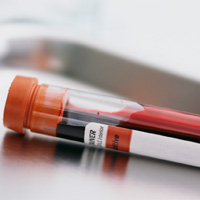 Elevated levels of high-sensitivity C-reactive protein (hsCRP) has been correlated with an increased future risk of Age-Related Macular Degeneration (ARMD). This breakthrough study may help identify underlying reasons for the development of ARMD. It may also assist with the development of a test to predict who is most at risk of macular degeneration, and give the patient and doctor time to head off the development of this sight-stealing disease.