
 A new study in the journal Free Radical Biology & Medicine compared the effects of lutein to grapes on the eyes. Grapes won out, providing more protection against oxidative damage to the retina than the nutrient lutein.
Mice were broken into two groups: on had a diet high in grapes, and the other received lutein, a plant chemical that recommended for eye health. The mice who ate grapes were less likely to go blind.
Grapes are rich in anti-oxidants, which fights free radical damage.
The study’s head author, Dr Silvia Finnemann from Fordham University, described the results as “remarkable” and wrote, “A lifelong diet enriched in natural antioxidants, such as those in grapes, appears to be directly beneficial for RPE (retinal pigment epithelium cells) and retinal health and function.”
Some diseases that result in damage to the retinal pigment epithelium (RPE) layer in the eye include Stargardt’s disease and age-related macular degeneration.
This study does not diminish lutein as an eye care supplement. A solid body of scientific research shows lutein’s benefits. Lutein also has antioxidant properties; grapes had a stronger effect in mice in this single study. Lutein is found in the macula of healthy eyes, and research shows that taking 6 mg of lutein each day reduces the risk of macular degeneration by 48%. Learn more about lutein for eye care.
 Do your eyes spend more than 4 hours a day looking at the screen of an electronic device? If so, you are at risk for computer vision syndrome. Computer vision syndrome symptoms include eye strain, fatigue, dry eyes and headaches from staring at a screen too long.
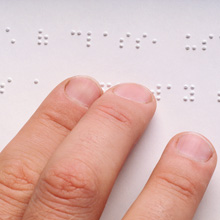 Increase in the delivery of a treatment for neovascular age-related macular degeneration (wet AMD) has resulted in a significant 50% reduction of new cases of blindness in Denmark, according to a study published in the American Journal of Opthamology. Age-related macular degeneration is the most common cause of blindness in the West. Specifically, AMD patients lose reading vision and their ability to drive, resulting in revocation of their drivers’ license.
 Patients taking statin drugs to lower cholesterol might be more likely to get muscle injuries, especially elderly patients.(1) Side effects and adverse reactions, according to other research, may include increased stroke risk, higher risk of Type II Diabetes, low iron, pancreatic dysfunction, sexual dysfunction, suppressed immune system, muscle pain, and more.
 When you are in your 30’s, your skeletal muscle mass will peak. After that, they will reduce slightly in number and size every year. By the time you are in your 50’s, 15% of muscle mass may be lost, and by your 80’s, as much as 30% of muscle mass may be lost.
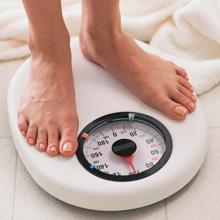 Did you over-indulge in too many high-calorie foods over the holidays? Put on a few extra pounds? Two-thirds of American adults are overweight or obese, and a few extra pounds add up to health risks. However, drinking green tea may help fight body fat and also lower cholesterol levels.

 The rise of myopia, also known as shortsightedness, has increased significantly in the past 30 years in the United States. Time spent outdoors has dropped off in this time period. Researchers at the National Eye Institute conducted a study of children and teens that shows a possible link between less time spent in outdoor activity and myopia.
 The FDA has issued a Class I recall of certain contact lenses in the AvairaTM line. The lenses may be contaminated with the residue of silicone oil. These contaminated CooperVision contact lenses can cause problems, including severe pain, blurred vision and eye injuries, including torn corneas. Not all users of the contaminated lenses experience symptoms.