
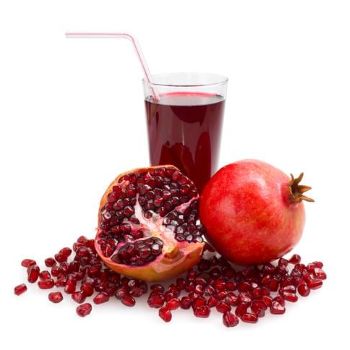
 The food you eat supports your body, your eyes, and your brain. And some foods, containing phytonutrients, enzymes, and vitamin and vitamin-like nutrients, are especially helpful. A common feature of these foods is that they contain a wealth of antioxidants.
The most powerful way to get these nutrients is through juicing. In the prevention section of our website, we discuss our favorite juicing recipes by eye condition, as well as the benefits of juicing. Continue reading “Best Foods for Eyes & Brain”
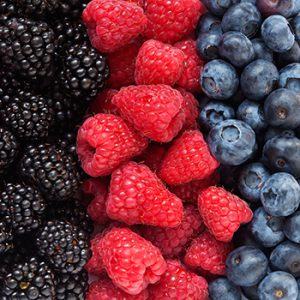
 Mesozeaxanthin, less well-known than lutein and zeaxanthin, is the most powerful antioxidant of the threesome, but the combined trio presents the most potent protection for the eye than any of the three carotenoids alone.[1. Li B, Ahmed F, Bernstein PS. (2010-12-01). Studies on the singlet oxygen scavenging mechanism of human macular pigment. Arc Biochem Biophys. 504(1):56–60.] Out of all of the roughly 7000 carotenoids known in nature, it is these three that are found in great concentrations in the macula, the key part of the retina, responsible for central vision.
  Glutathione is rather amazing – low levels are biomarkers for various conditions and it is a “super antioxidant.”
 The antioxidants lutein and zeaxanthin help keep the eyes healthy. A new study has found that these nutrients also improve the circulation of blood to the brain. Seniors experience gradual cognitive decline. A recent study showed that taking enough of these antioxidants halted cognitive decline. Research supports the idea that nutrition has a direct impact on the brains and eyes throughout one’s lifespan from infancy (breast milk contains lutein) to old age.[1. Johnson EJ. (2014). Role of lutein and zeaxanthin in visual and cognitive function throughout the lifespan. Nutr Rev. Sep;72(9):605-12.]
 A study published in the February 2019 issue of Aging Cell indicates that metformin may reduce the effectiveness of exercise. Metformin is a drug that has been approved for people with Type 2 diabetes to help control blood sugar. However, the drug is also used by healthy people for its anti-aging properties. The researchers are concerned about off-label use of this drug.
 Parkinson’s disease is a multi-neurological disease. Currently, most Parkinson’s treatments focus on increasing dopamine production and reducing motor symptoms and tremors through medication. However, this disease has many causative or contributing factors that cause changes in healthy brain function. Many of these factors are also relevant for dementia, Alzheimer’s, Huntington’s, and Wilson’s diseases as well. Which factors impact brain functioning and the development of brain disease? Are there natural approaches to preventing and slowing the progress of such devastating diseases? This article offers a brief overview, based on the new book, Natural Parkinson’s Support: Your Guide to Preventing and Managing Parkinson’s.
 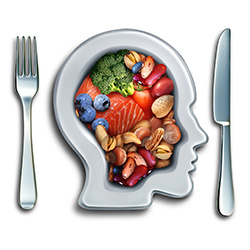 Brain health is especially important in seniors. Seniors are susceptible to dementia, Alzheimer’s disease, memory problems, and cognitive decline. Which foods boost brain power the most? At Natural Eye Care, we have picked eleven common foods that have brain-saving properties. Scientists have been studying the nutrients in foods for decades. They have isolated specific nutrients that cross the blood-brain barrier. These types of nutrients get direct access to the brain and even the retina. The retina is made from neural tissue. Researchers find that many of the nutrients helpful for the brain also stave off eye diseases such as macular degeneration and glaucoma.