
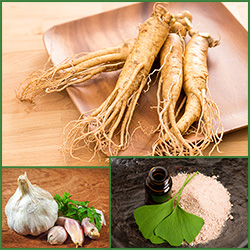
 Three time-tested supplements stand out as champions for eye and brain health: garlic, ginseng, and ginkgo. Research on these supplements backs up why they have been used for thousands of years. Garlic plays an important role in all three major traditional medicines–Traditional European Herbal Medicine, Ayurveda, and Traditional Chinese Medicine. Ginseng and ginkgo are crucial herbs in Traditional Chinese Medicine. Do these supplements work? Are they beneficial for aging brains and eyes? What does the research show? Continue reading “Ginkgo, Garlic, and Ginseng Research on Eye Health and Dementia”
Category: Antioxidants
Cataracts – what’s new?
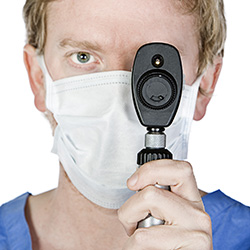 Cataracts can not only be prevented, but can even be reversed through nutrition, supplementation and lifestyle changes. Learn about products to support lens health.
Cataracts were once considered an inevitability for seniors. In the United States, only 10% of 55-year-olds have experienced cataracts. However, half of 75-year-olds have developed cataracts and at age 85, the number is 70%.[1. National Eye Institute. Cataracts. Retrieved Jan 7, 2018 from https://nei.nih.gov/eyedata/cataract.] Continue reading “Cataracts – what’s new?”
Can Omega-7 Fish Oil Reduce Dry Eyes and Metabolic Syndrome?
 Scientists recently discovered a fat molecule that they called “palmitoleic acid”, a type of Omega-7 fatty acid. The substance appears to have special anti-inflammatory properties. Omega-7 occurs in certain fish oils and nuts. You may have heard of Omega-3 fatty acids, which come mostly from cold water fatty fish. Omega-3s reduce inflammation and heart disease risk. Omega-6 fatty acids occur in primarily in nuts and seeds, vegetable oil and grains. Omega-6 fatty acids are polyunsaturated fats. Omega-7s are monounsaturated fats, similar to olive oil. How are these types of fats different? What makes palmitoleic acid so important for preventing Type 2 diabetes and metabolic syndrome? Should you get them through food or supplements? How much should you take? Continue reading “Can Omega-7 Fish Oil Reduce Dry Eyes and Metabolic Syndrome?”
Low Antioxidant Levels Tied to Cataracts
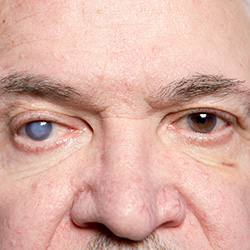 A study conducted in North India found that people with low levels of antioxidants had higher levels of cataracts.[1. Dherani M, Murthy GV, Gupta SK, et al. Blood levels of vitamin C, carotenoids and retinol are inversely associated with cataract in a North Indian population. Invest Ophthalmol Vis Sci 2008;49(8):3328-35.] A meta-analysis in 2015 found that too little vitamin E increased the risk of developing cataracts.[2. Zhang, Y., Jiang, W., Xie, Z, Wu, W., Zhang, D. (2015). Vitamin E and risk of age-related cataract: a meta-analysis. Public Health Nutr, Oct;18(15):2804-14.] Diabetes and fluctuations in blood sugar levels are risk factors for cataracts. Cataracts are the leading cause of total blindness in the world. Whether you have access to cataract surgery or not, prevention is better than disease. Scientists have studied specific nutrients and their links to cataract formation. What can you do to help prevent cataracts? Which fruits, vegetables, and other foods reduce cataract risk? If you have already developed cataract, can you do anything? Continue reading “Low Antioxidant Levels Tied to Cataracts”
Phytonutrients for Your Eyes and Brain: Love Your Fruits and Vegetables

Mother always told you to eat your fruits and vegetables – but why? Modern researchers are finding more and more about antioxidants for health. Scientists publish mountains of peer-reviewed research a year on antioxidants found in fruits and veggies. One type of antioxidant is called “phytonutrients.” Found in plant pigments, phytonutrients are especially good for the eyes and brain. How do phytonutrients slow the impact of aging and reduce disease risk? Which foods contain significant amounts of the best types of phytonutrients?
Continue reading “Phytonutrients for Your Eyes and Brain: Love Your Fruits and Vegetables”
French Maritime Pine Bark Supports Healthy Cardiac Function and Eye Health
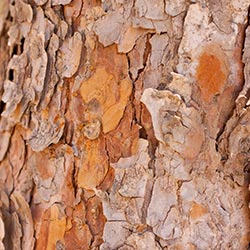 You may have heard that French Maritime pine bark extract, or Pinus pinaster, can reduce atherosclerosis. Hardening of the arteries is a leading cause of heart attacks and stroke. The middle-aged and seniors are vulnerable to high cholesterol, high blood pressure, and high blood sugar. Diet, exercise, and weight management are important for controlling metabolic syndrome. Additionally, this extract has been shown to alter fat metabolism and inflammation that are factors in atherosclerosis. How does French Maritime Pine bark extract address plaque build-up in the arteries? Continue reading “French Maritime Pine Bark Supports Healthy Cardiac Function and Eye Health”
Do Seniors Need to Supplement DHA for Vision Health?
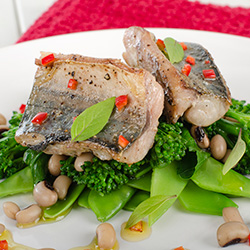 Docosahexaenoic acid or DHA is a naturally-occurring chemical, so why might seniors need to supplement it? Our bodies create small amounts of this omega-3 fatty acid. DHA from the diet, such as seafood, also counts. Docosahexaenoic acid is crucial to brain development in infants, and it is found in large quantities in the brain and retina. Researchers have found that consuming extra DHA can fight eye disease. How much docosahexaenoic acid do you need to get these effects? Can you get enough through your diet, or do you need to supplement DHA for optimum health? Continue reading “Do Seniors Need to Supplement DHA for Vision Health?”
New Blue Light Protecting and Night Vision Supplement Package
 Natural Eye Care has announced a new supplement package aimed at protecting the eyes from blue light damage and supporting night vision. A significant body of scientific research has shown that the ingredients are helpful to the eyes. The “Blue Light Protecting/Night Vision Supplement Package” contains two formula with specific nutrients to help protect the eyes from blue light and UVA exposure (as well as supporting overall eye health): Dr. Grossman’s Advanced Eye and Vision Support Eye Formula and Astaxanthin in a therapeutic dose. Continue reading “New Blue Light Protecting and Night Vision Supplement Package”
Which Parts of the Eyes Are Associated with Which Eye Diseases?
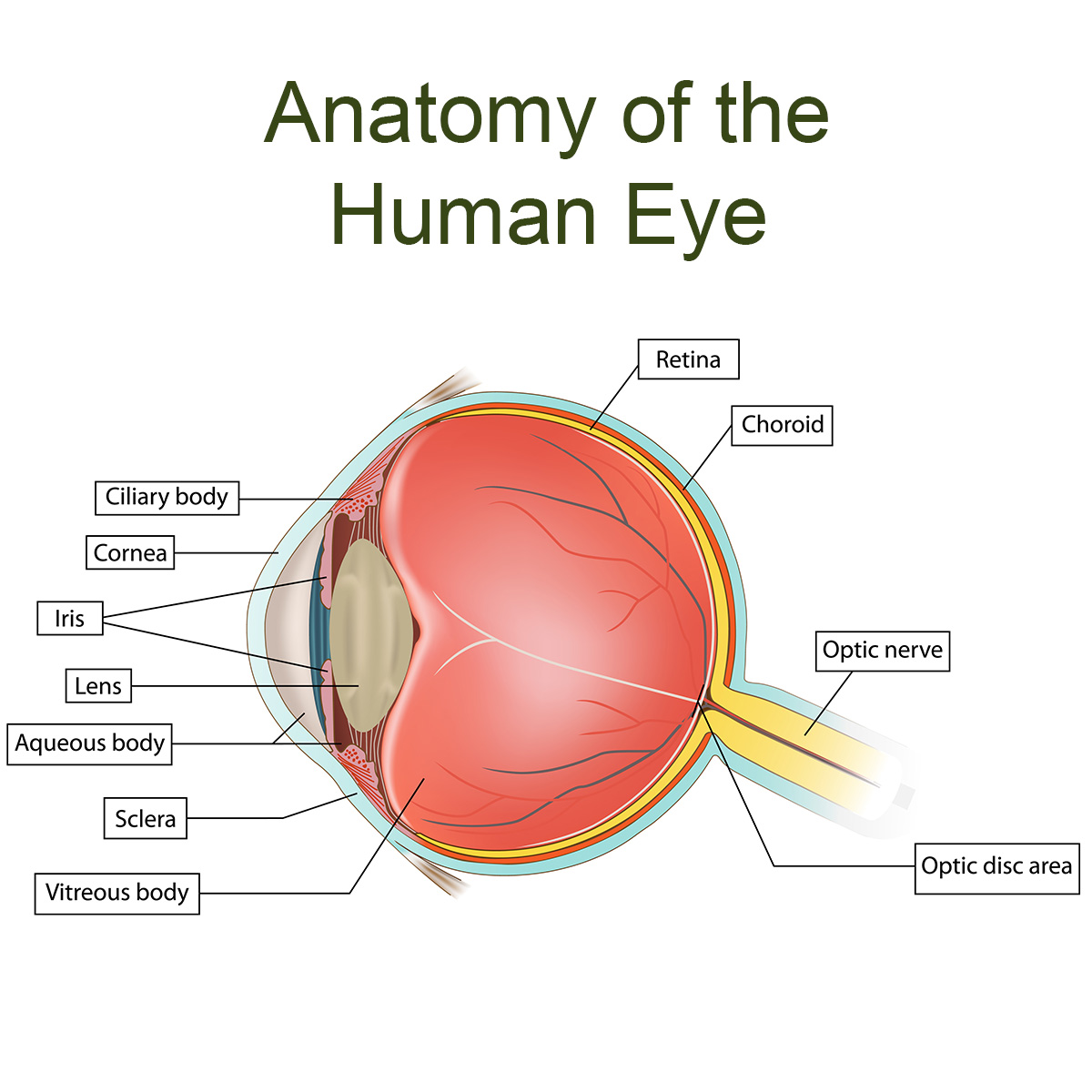 The eyes are small, but they have many parts including the eyelids, sclera, cornea, lens, optic nerve and retina. We depend heavily on our vision. When something goes wrong, the eyes are disproportionately affected. For example, a senior at risk of heart disease is also at risk of an ocular arterial or vein occlusion. Also, the macula requires a yellow-colored nutrient (lutein and zeaxanthin) found in certain vegetables such as green leafy vegetables, red, yellow and green peppers, corn and eggs. And antioxidants found in fresh fruits and vegetables have been shown to reduce oxidative eye damage and eye disease. Continue reading “Which Parts of the Eyes Are Associated with Which Eye Diseases?”
Astaxanthin for Wrinkles and the Eyes
 The main indicator of age at first glance is facial wrinkles. Seniors who wish to maintain a youthful appearance are tempted to purchase wrinkle creams and supplements. Before buying, consumers should look at objective research. One supplement called astaxanthin has been shown in small studies to reduce wrinkling and enhance the skin. Astaxanthin is also excellent for the eyes. What is Astaxanthin made from? What are the benefits to the eyes and skin? Continue reading “Astaxanthin for Wrinkles and the Eyes”