
Your Eyes Benefit from Lutein, Zeaxanthin, and Meso-zeaxanthin
 Lutein, zeaxanthin, and meso-zeaxanthin are potent antioxidants found in green leafy vegetables, eggs, corn and even chocolate. They have a profound effect on preserving healthy vision, brain function, the immune and cardiovascular systems.
New research is focusing less on the well-established understanding of local benefit from nutrients, e.g. lutein for macular degeneration or cataract, and more on its systemic benefits affecting the immune system, the brain and cognitive function, the eye, cancer, and cardiovascular health.[1. Buscemi S, Corleo D, Di Pace F, Petroni ML, Satriano A, Marchesini G. The Effect of Lutein on Eye and Extra-Eye Health. Nutrients. 2018 Sep 18;10(9):1321.] In addition, new research is focused on the “why” of the benefit of these carotenoids.
Macular Degeneration
Macular degeneration (AMD) is one of the leading causes of vision loss and blindness. Our retina is abundantly supplied with oxygen but repeated or prolonged exposure to light, especially UV and blue light, decreases long-chain polyunsaturated fatty acids (such as omega-3s) in the retina, increases certain molecular bonds (lipid conjugated dienes), and degrades the photoreceptors and retina.[2. Johra FT, Bepari AK, Bristy AT, Reza HM. (2020). A Mechanistic Review of β-Carotene, Lutein, and Zeaxanthin in Eye Health and Disease. Antioxidants (Basel). Oct 26;9(11):1046.]
Accumulated exposure to UV and blue light can cause accumulation of free radicals, oxidative stress, accelerate vision loss, and hasten breakdown of photoreceptor cells which are essential for vision. Continue reading “Lutein, Zeaxanthin, Meso-Zeaxanthin – An Update”
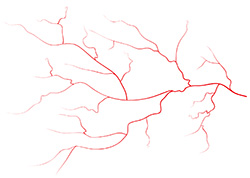 Hypertension increases sharply with advancing age; hence older persons are those most affected by its negative consequences.
 Did you know that how well your gut works is directly related to your healthy vision and your healthy brain?
 The most common form of glaucoma is “open-angle” glaucoma, where the eye pressure or IOP remains higher than normal (typically 8-20 mm Hg). Eye doctors also look at changes in peripheral field typically measured with a visual fields test and any changes in the optic nerve such as optic nerve thinning or increased cupping. Ocular hypertension is diagnosed when IOP is higher than normal but there as no signs of glaucoma. In addition glaucoma can occur without high IOP, “normal or low tension glaucoma.”
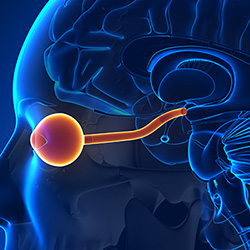 What is the optic nerve and what does it do?
 Our bodies are designed to handle stressful situations, referred to as the “flight or fight” mode, wherein when we need to quickly react, the body goes into action and produces hormones that stimulate the adrenal system, raise cortisol levels, and gets our muscles instantly ready to go. Once that situation is resolved, our body has the remarkable ability to return back to homeostasis or normal balance quickly.
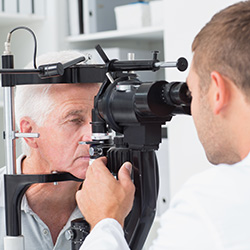 Getting a thorough eye exam has always been about more than reading letters off an eye chart. That is even truer today. One reason: We are harder on our eyes than ever before. Many of us spend hours each day staring and squinting at screens, developing digital eyestrain, and exposing our eyes to potentially damaging blue light.
 Three time-tested supplements stand out as champions for eye and brain health: garlic, ginseng, and ginkgo. Research on these supplements backs up why they have been used for thousands of years. Garlic plays an important role in all three major traditional medicines–Traditional European Herbal Medicine, Ayurveda, and Traditional Chinese Medicine. Ginseng and ginkgo are crucial herbs in Traditional Chinese Medicine. Do these supplements work? Are they beneficial for aging brains and eyes? What does the research show?